Morocco is one of the countries with the most World Heritage sites in Africa and the Arab world. Its nine inscribed properties cover two thousand years of history: a Roman city, imperial capitals, a fortified earthen village, Atlantic ports and a 20th-century capital. This guide presents all the UNESCO World Heritage sites in Morocco, explains why each one was listed, and shows how to link them in a single road trip with a private driver.
The nine UNESCO World Heritage sites in Morocco at a glance
| Site | Year | Region | Why it matters |
|---|---|---|---|
| Medina of Fez | 1981 | North | One of the largest car-free historic towns in the world |
| Medina of Marrakesh | 1985 | South | Almoravid and Almohad capital, Jemaa el-Fna square |
| Ksar of Aït-Ben-Haddou | 1987 | Ouarzazate | Masterpiece of earthen architecture |
| Historic City of Meknes | 1996 | North | Imperial city of Moulay Ismail |
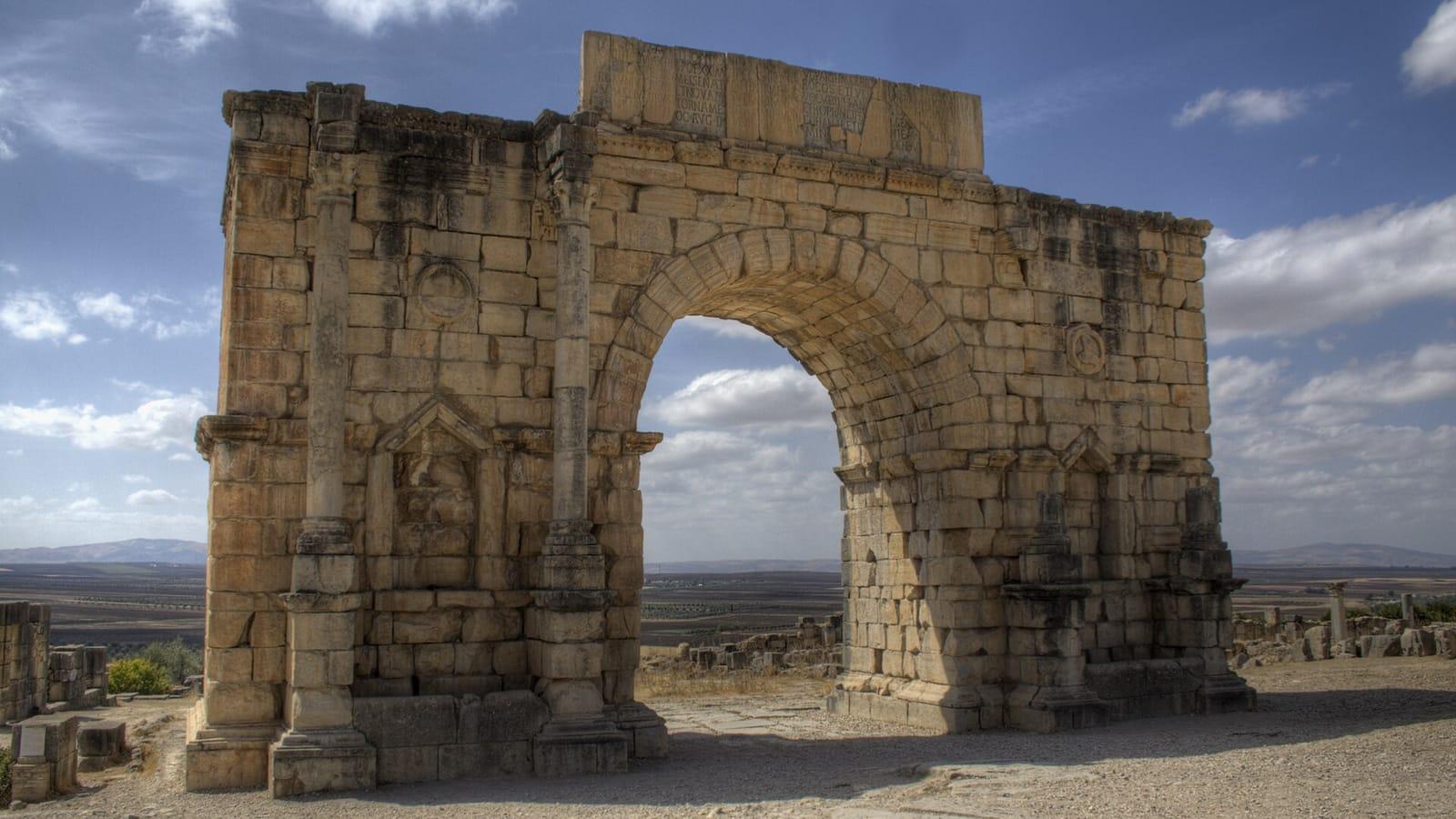
| Archaeological Site of Volubilis | 1997 | North | Mauretanian and Roman city |
| Medina of Tétouan | 1997 | North | Andalusian heritage at the foot of the Rif |
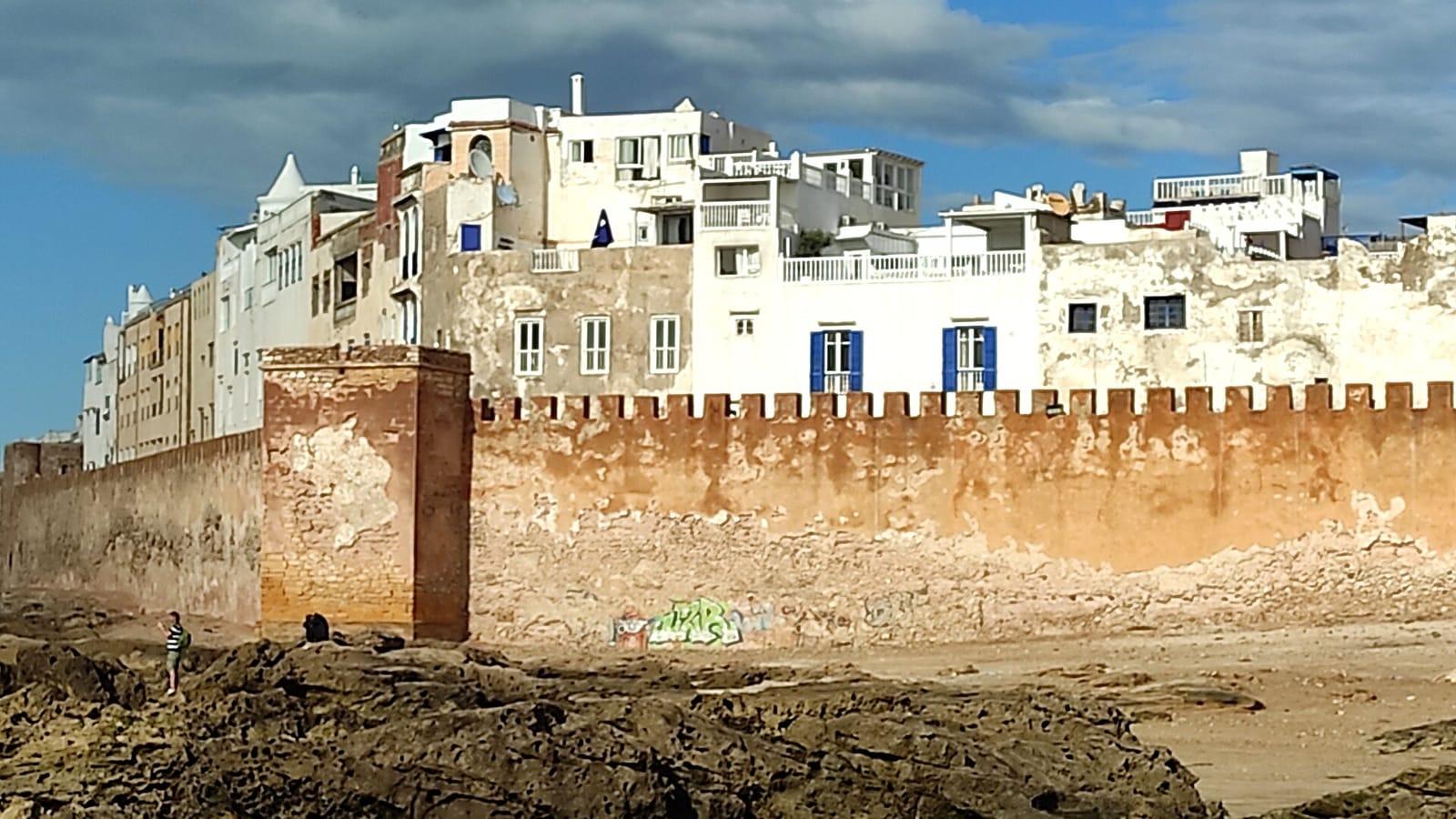
| Medina of Essaouira | 2001 | Atlantic | 18th-century fortified port |
| Portuguese City of Mazagan (El Jadida) | 2004 | Atlantic | Renaissance Portuguese fortress |
| Rabat, Modern Capital and Historic City | 2012 | Atlantic | Shared heritage from Antiquity to the 20th century |
All nine are cultural sites. Several others are on Morocco's tentative list, including natural sites such as the Khnifiss lagoon in the south — read our guide to Khenifiss National Park.
The imperial north: Fès, Meknes, Volubilis, Tétouan and Rabat
The medina of Fez is a labyrinth of thousands of lanes, with medersas, tanneries and the Qarawiyyin, founded in the 9th century. Meknes, 60 km away, was rebuilt in the 17th century by Sultan Moulay Ismail, whose monumental gate Bab Mansour still impresses. A short drive north, Volubilis displays the Arch of Caracalla, a basilica and some of the finest floor mosaics of North Africa — see our overview of archaeology in Morocco.
Tétouan, at the foot of the Rif, keeps a white medina deeply marked by refugees from Andalusia. Rabat, the capital, was listed for the dialogue between its historic core — the Kasbah of the Oudayas, the Hassan Tower, the Chellah — and its elegant 20th-century city.
The easiest way to see them is a circuit: our Imperial Cities & Chefchaouen circuit from Casablanca links Rabat, Volubilis, Meknes and Fès, while the Chefchaouen & Imperial Cities circuit from Tangier adds Tétouan.
The south: Marrakech and Aït-Ben-Haddou
The medina of Marrakech was founded by the Almoravids in the 11th century. Its Koutoubia minaret, ramparts, gardens and palaces surround Jemaa el-Fna, whose storytellers, musicians and food stalls are themselves recognised by UNESCO as intangible heritage. Read our Jemaa el-Fna guide.
Across the High Atlas, the Ksar of Aït-Ben-Haddou rises in tiers of earthen houses above a river — a fortified village on the old caravan route, famous from countless films.
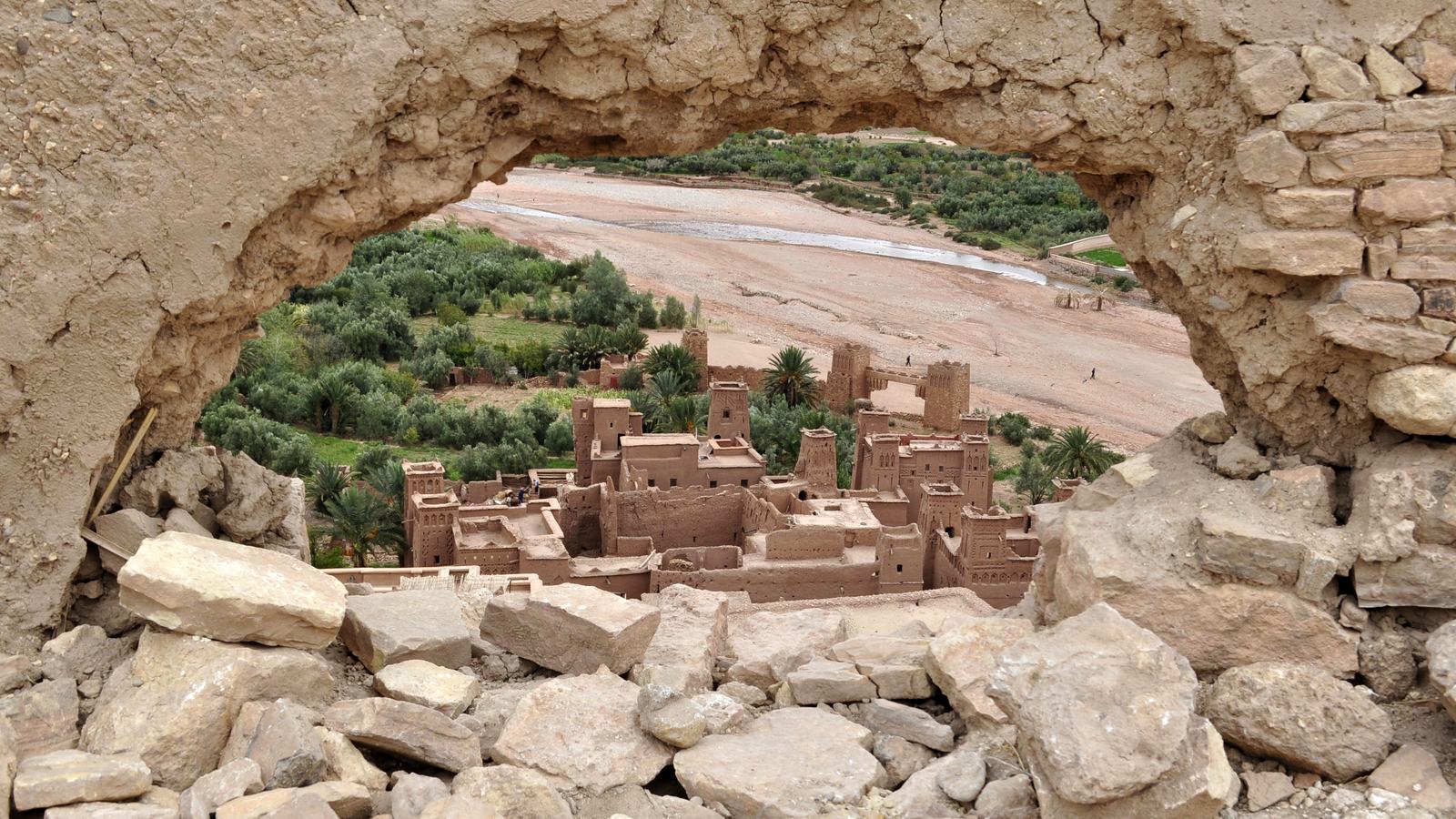
Our Atlas & Aït Ben Haddou circuit crosses the Tizi n'Tichka pass to reach it; see also our Aït Ben Haddou guide.
The Atlantic: Essaouira and El Jadida
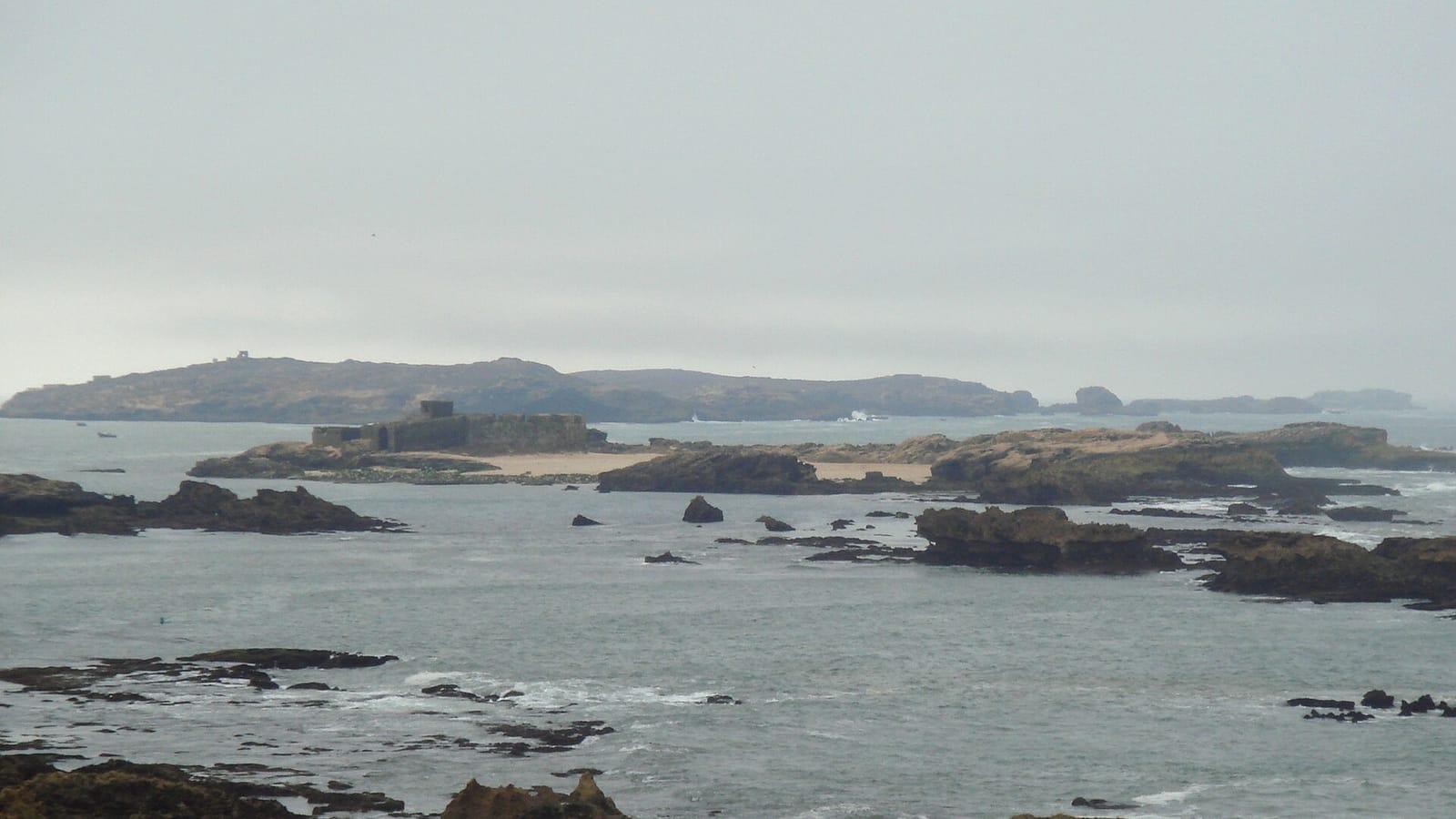
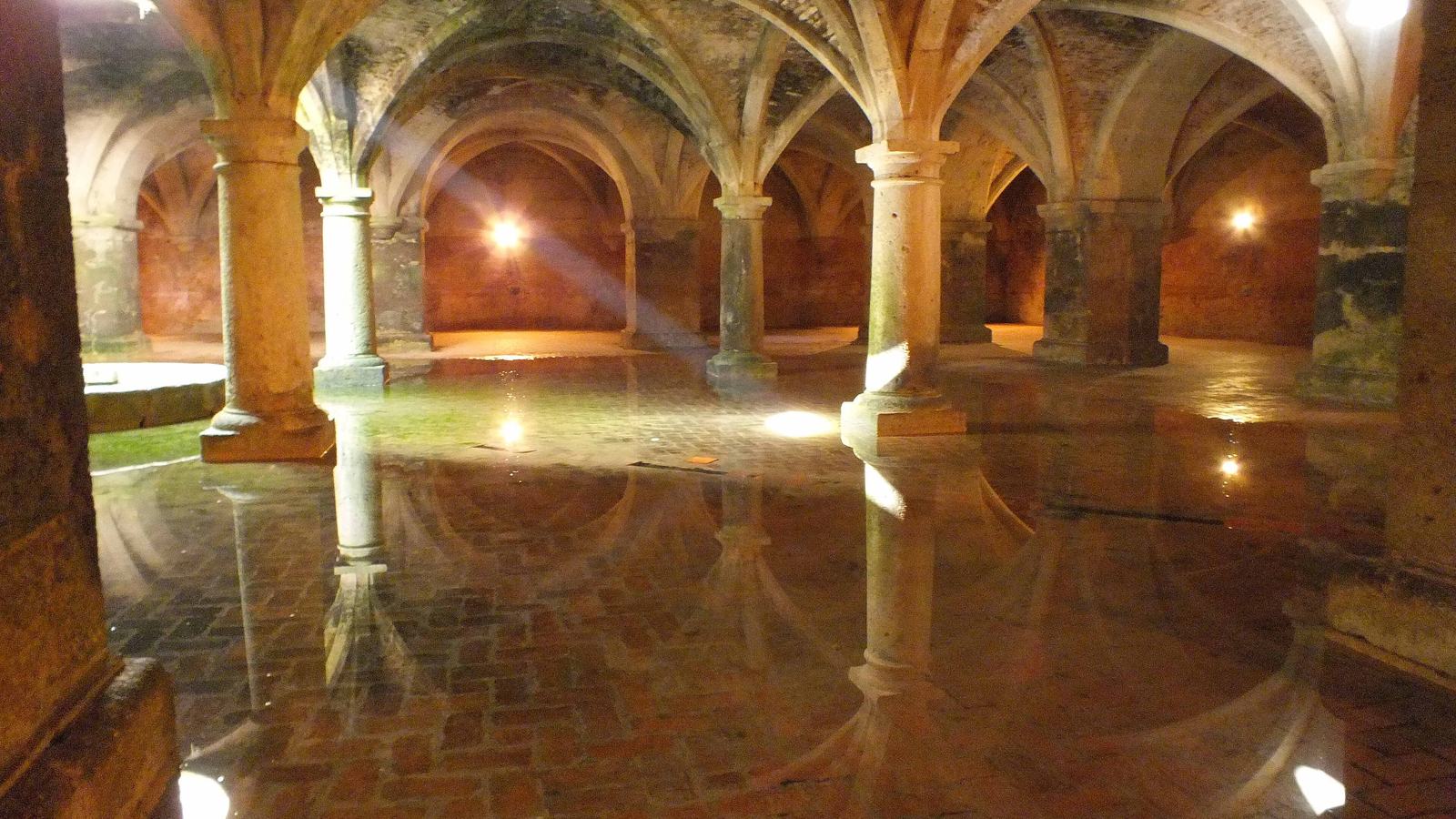
Essaouira, formerly Mogador, is an 18th-century port designed with European fortification principles for a Moroccan sultan — discover its story in our guide to the medina of Essaouira. Further north, El Jadida preserves the Portuguese fortress of Mazagan, built in the 16th century, with its famous vaulted cistern.
Beyond the monuments: Morocco's living heritage
UNESCO also recognises traditions. Among the Moroccan elements on the intangible heritage lists are the cultural space of Jemaa el-Fna, the Moussem of Tan-Tan, the know-how of the argan tree, Gnawa music, couscous (shared with neighbouring countries), tbourida, the Moroccan equestrian art, and malhun poetry. Join a Gnawa music workshop in Essaouira, or read our tbourida guide.
Nature has its labels too: four biosphere reserves — the Arganeraie around Essaouira and Agadir, the oases of southern Morocco, the Atlas cedar forests and an intercontinental reserve shared with Spain — and the M'Goun UNESCO Global Geopark in the High Atlas.
One road trip, many UNESCO sites
You can link most UNESCO World Heritage sites in Morocco in about ten days. A classic loop:
- Casablanca → Rabat → Meknes & Volubilis → Fès (3 days)
- Fès → Middle Atlas → Marrakech (2 days)
- Marrakech → Aït-Ben-Haddou and back (2 days)
- Marrakech → Essaouira (2 h 30), then El Jadida and Casablanca along the coast (2–3 days)
Our Grand Morocco Tour in 7 days from Casablanca already covers six of them; we can extend it to Essaouira and El Jadida on request. Each circuit is private transport with a driver, minimum two people — we take care of the road while you choose your riads and guides. For single journeys, book a Marrakech–Casablanca transfer, a Marrakech–Essaouira transfer or a Marrakech–Ouarzazate transfer.
Tips for visiting UNESCO sites in Morocco
- Hire licensed guides in Fès and at Volubilis; the medinas are easier to understand with someone local.
- Start early at Volubilis and Aït-Ben-Haddou to avoid heat and crowds.
- Dress respectfully in medinas and religious areas.
- Plan with real drive times — AI tools often underestimate them; see how to plan a trip to Morocco with AI.
- Travel lightly and support local craftspeople — our advice on sustainable tourism in Essaouira applies everywhere.
Ready to collect UNESCO sites? Contact us with your dates and the sites you want to see, and we will draw the route and quote the private transport.