Long before the ramparts of Mogador, before the Phoenicians and even before the first farmers, people living near the Atlantic coast of what is now Essaouira were wearing jewellery. In Bizmoune cave, about 15 kilometres inland from the town, archaeologists recovered perforated sea shells dated to at least 142,000 years ago — the oldest shell beads ever found. Here is what this discovery tells us, and how you can explore the landscape where it happened.
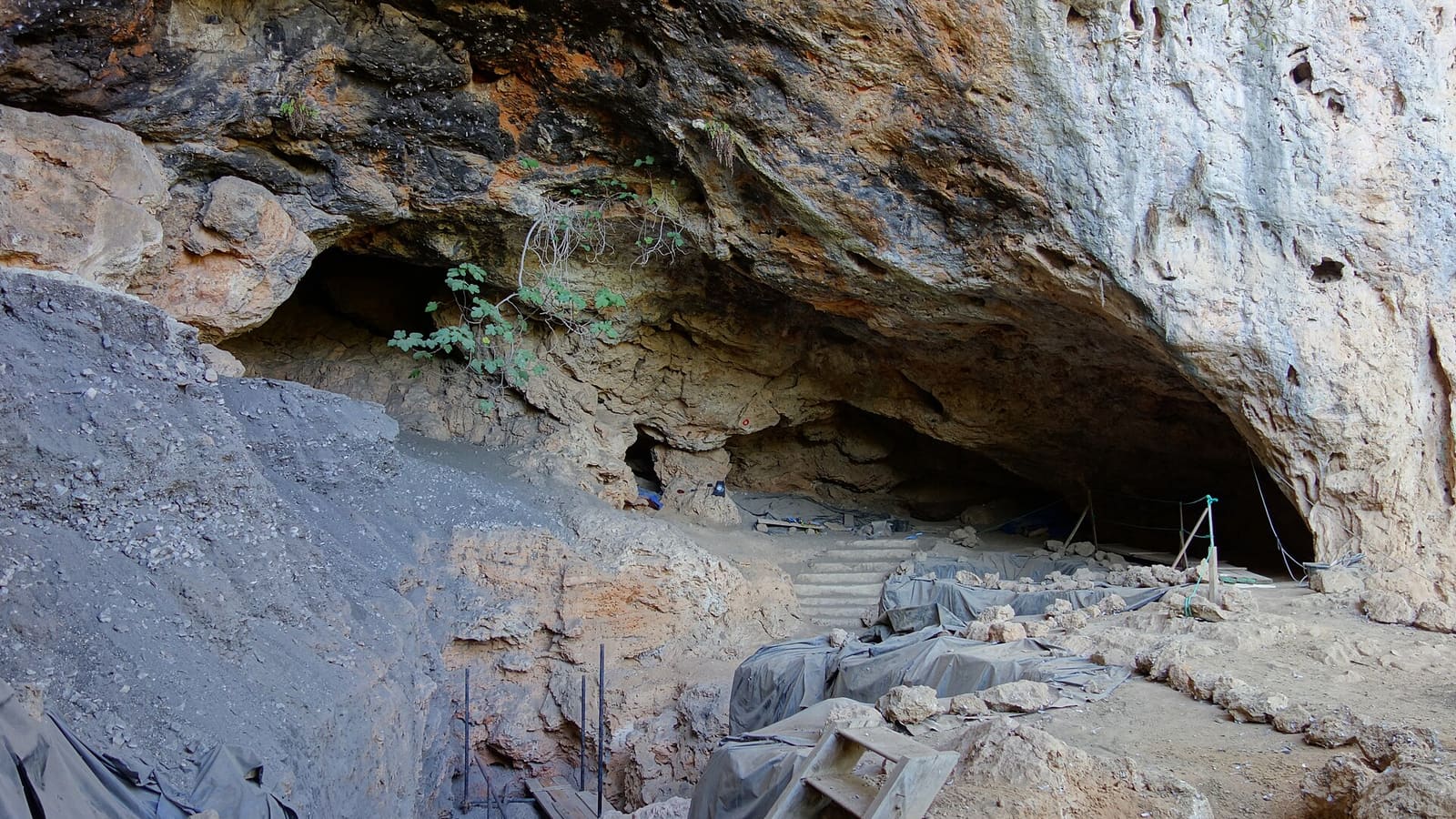
What was found in Bizmoune cave
Between 2014 and 2018, a Moroccan–international team led by researchers of Morocco's national institute of archaeology and heritage (INSAP), working with colleagues from the University of Arizona and other institutions, excavated deposits near the mouth of the cave. Among stone tools and animal bones, they recovered 33 shell beads.
All but one were made from the same small sea snail, Tritia gibbosula; the other is a Columbella rustica. The shells had been collected on the shore, carried inland, perforated and, in several cases, show wear consistent with being strung or attached to clothing. The results were published in the journal Science Advances in 2021.
How old are the beads?
The team dated the layers with uranium-series methods applied to mineral crusts that formed over the archaeological deposits. The beads are at least 142,000 years old, and possibly as old as 150,000 years. That places them in the early Middle Stone Age, at a time when Homo sapiens was already present in North Africa — the fossils of Jebel Irhoud, west of Marrakech, are dated to around 315,000 years.
Before Bizmoune, the oldest known shell beads were about 130,000 years old or younger. Other famous examples come from Morocco too: the Pigeons' Cave at Taforalt, in the east of the country, has yielded beads of about 82,000 years.
Why these tiny shells matter so much
A bead has no practical use. You cannot hunt or cook with it. Its value is symbolic: it says something about the person who wears it — a family, a group, a status, a relationship. Researchers see personal ornaments as one of the earliest signs of communication through objects, a step towards the complex symbolic behaviour that defines us.
Bizmoune shows that this behaviour was well established in North Africa more than 140,000 years ago. It also suggests that the coast of south-western Morocco was a place where groups met, exchanged and needed to express who they were. Research continues: a new field season at the cave was announced in late 2025.
Bizmoune in the timeline of humanity
- About 1.3 million years ago: early humans make handaxes at Thomas Quarry, in today's Casablanca.
- About 315,000 years ago: early Homo sapiens live at Jebel Irhoud, between Marrakech and Safi.
- At least 142,000 years ago: shell beads are worn by the people of Bizmoune cave, near Essaouira.
- About 82,000 years ago: shell beads are made at Taforalt, in eastern Morocco.
- 7th century BC: Phoenician traders settle on Mogador island, facing the future Essaouira.
- 1760s: Sultan Sidi Mohammed ben Abdallah founds the town of Essaouira.
Can you visit Bizmoune cave?
No. Bizmoune cave is a protected research site, not a tourist attraction: there are no facilities, no guided tours and excavations require special authorisations. Please do not try to find it on your own — archaeological layers are fragile and irreplaceable.
What you can do is explore the landscape that these early people knew: the limestone hills, the argan forest, the valley of the Ksob river and the Atlantic shore where the shells were collected.
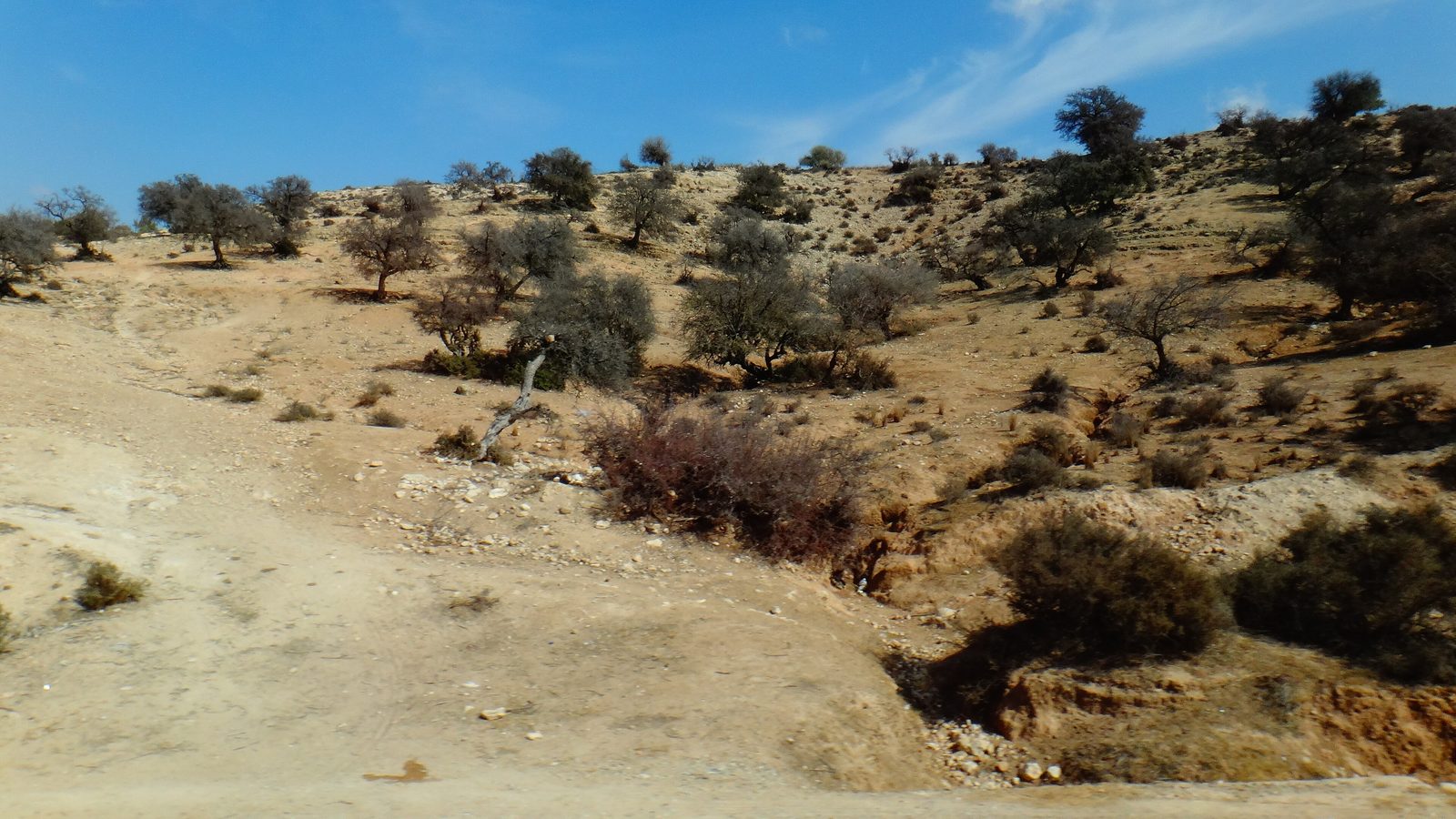
Exploring the prehistoric landscape around Essaouira
- The argan forest — a UNESCO biosphere reserve; join the argan goats family outing or visit a women's cooperative.
- The countryside villages — share a meal during a Berber cooking session in the countryside.
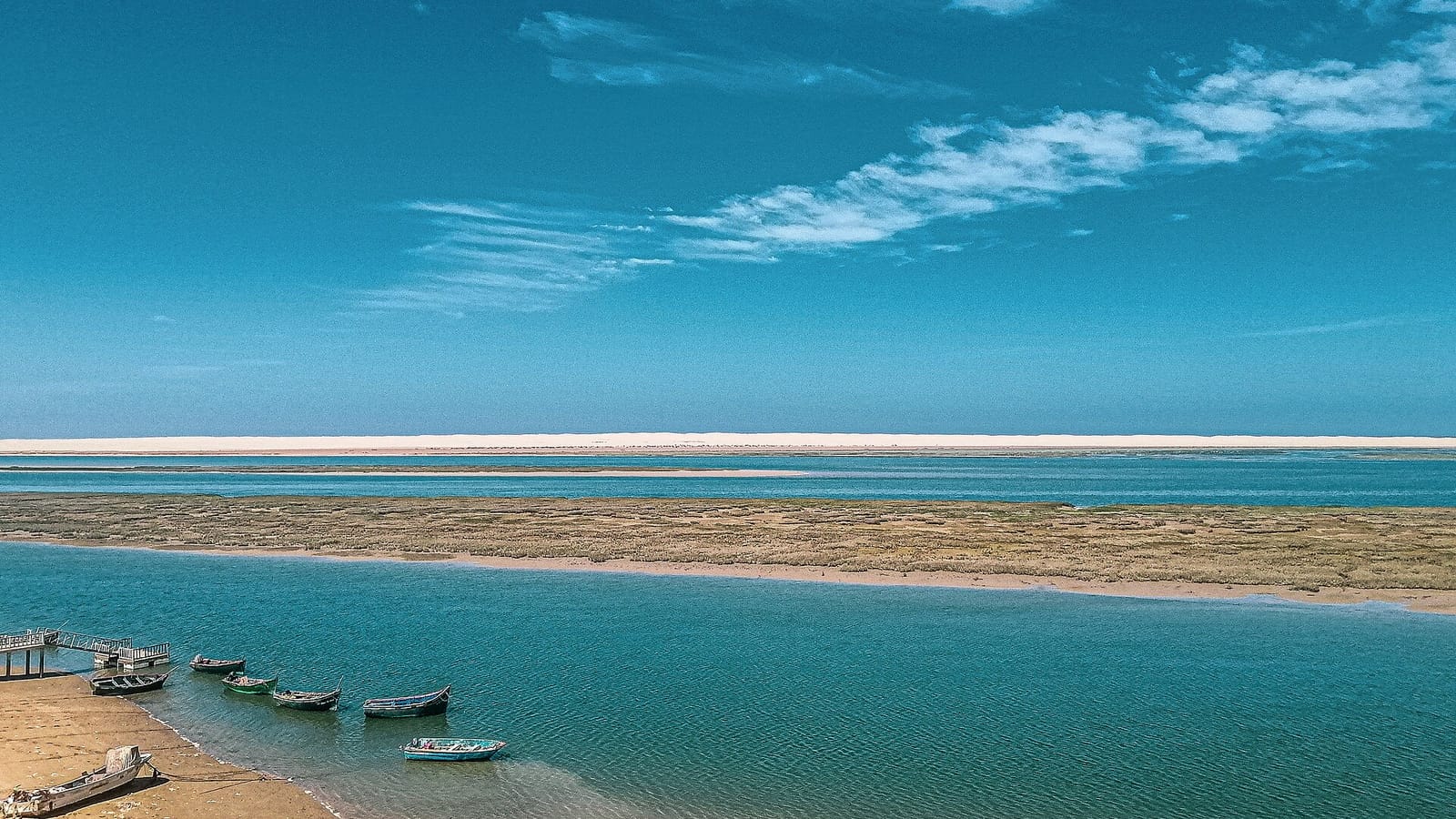
- The coast — walk the dunes of Diabat and the beaches of Sidi Kaouki, on the coast where the bead-makers once gathered their shells.
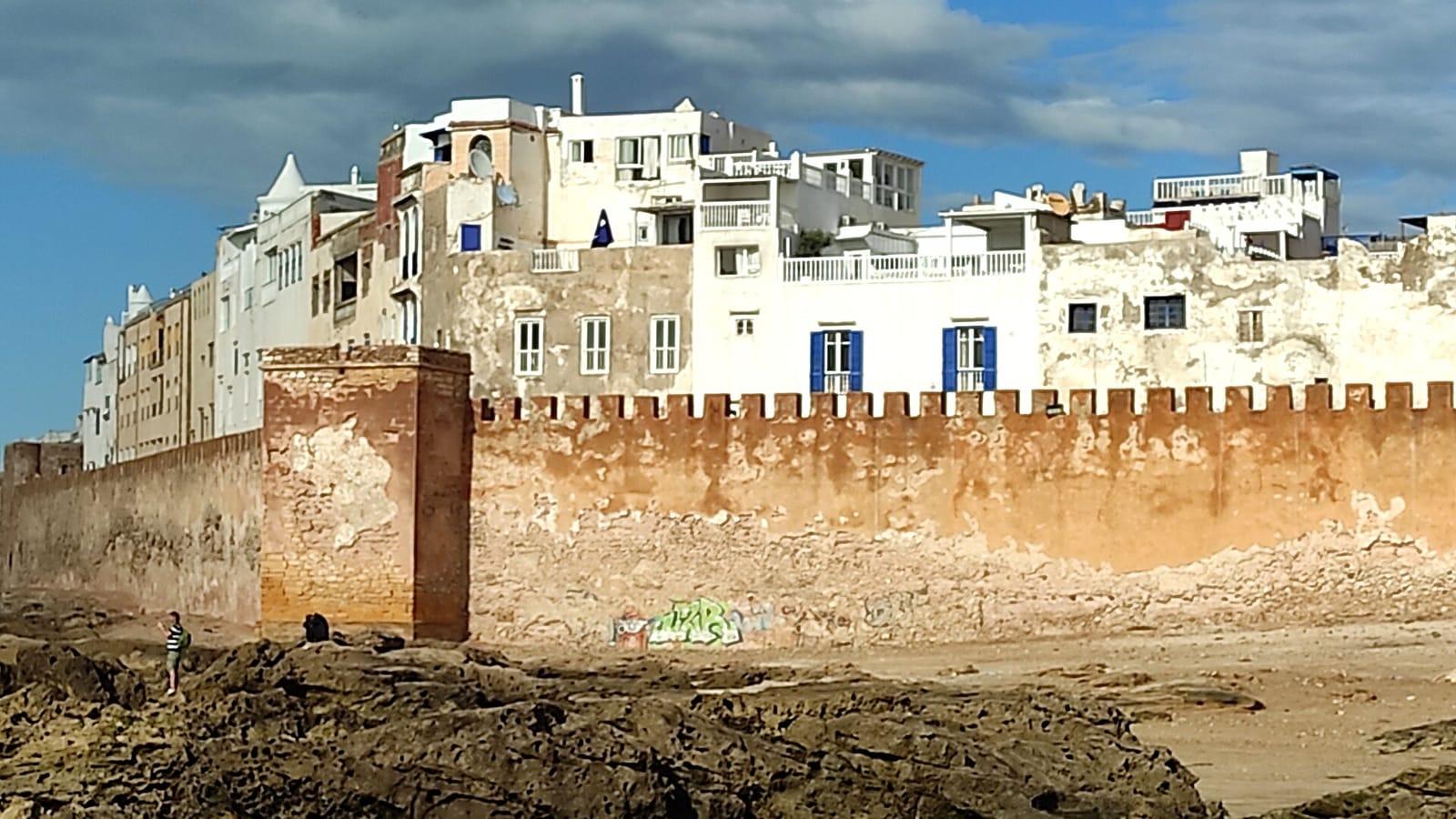
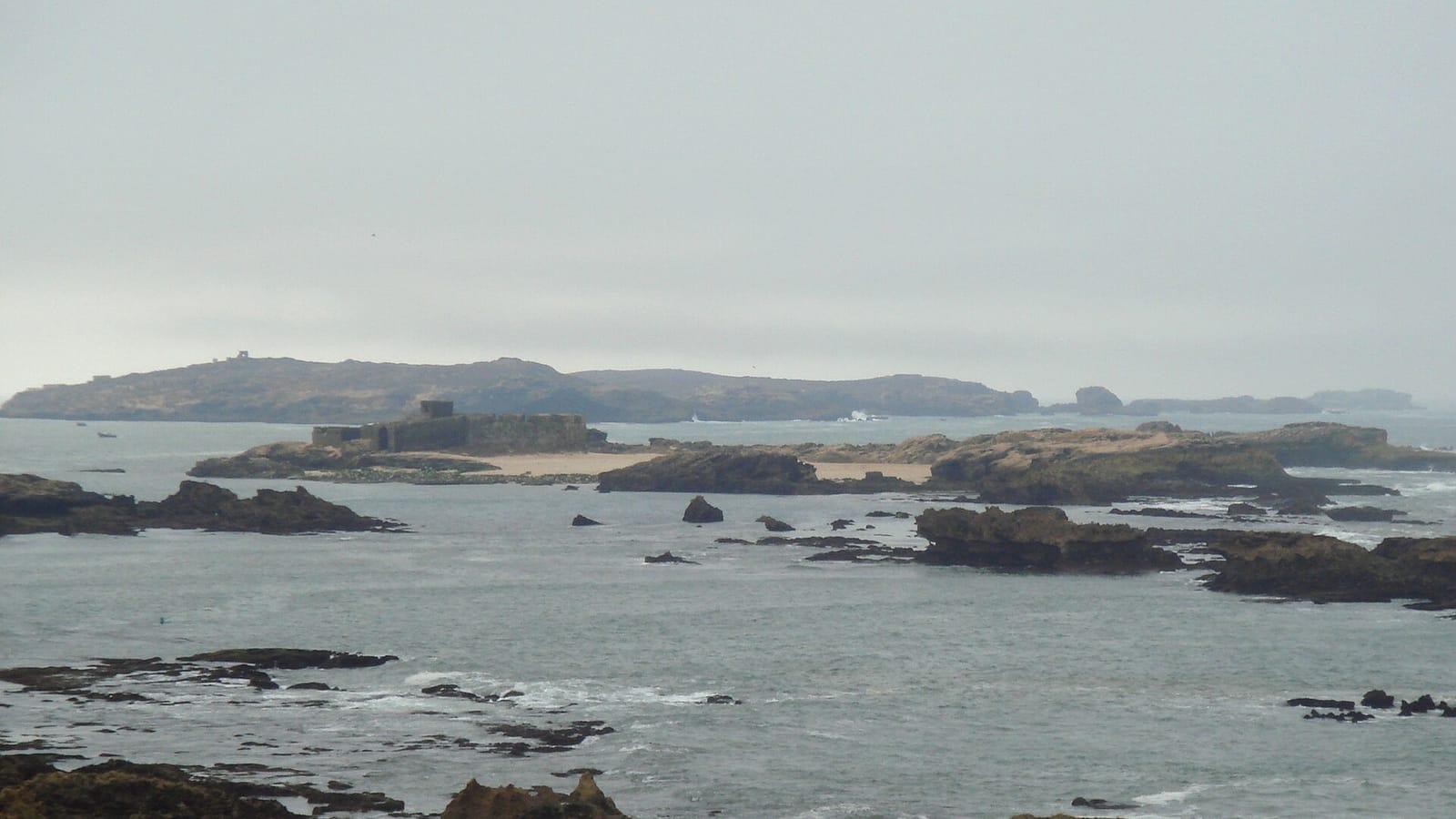
- The deep history of the bay — from the Phoenician trading post on Mogador island to the 18th-century medina of Essaouira, listed by UNESCO.
Our Essaouira half-day excursion follows the argan route through the hills, and the full-day excursion adds Sidi Kaouki and the Berber markets — a perfect way to feel how ancient this landscape is.
Where to see Moroccan prehistory in a museum
Morocco's main archaeology collections are in Rabat, at the Museum of History and Civilisations, which presents the country's past from prehistory to the Islamic period. Rabat is on the route of our Imperial Cities & Chefchaouen circuit from Casablanca, which also stops at the Roman city of Volubilis. To understand the bigger picture — from 1.3-million-year-old tools in Casablanca to medieval Sijilmassa — read our guide to archaeology in Morocco, and discover the engravings left by later hunters and herders in our article on rock art in Morocco.
Respecting fragile heritage
Archaeological sites in Morocco are protected by law. If you come across worked stones, pottery or shells in an excavation area, leave them in place and never dig. Responsible travel is also about what we choose not to touch — a principle at the heart of sustainable tourism in Essaouira.
Plan your heritage trip
Bizmoune cave reminds us that the region of Essaouira has been a meeting place of humans for more than 140,000 years. To discover its heritage, book a private transfer from Marrakech to Essaouira (about 2 h 30) or an airport transfer, then explore at your own pace. Tell us what fascinates you through our contact page — prehistory, Phoenicians, medinas or rock art — and we will suggest a route and the private transport to follow it.