Few countries tell the human story as completely as Morocco. Within its borders, archaeologists have found stone tools more than a million years old, the oldest known fossils of our own species, the earliest shell jewellery, Phoenician trading posts, Roman cities with dazzling mosaics and the ruins of medieval caravan capitals. Archaeology in Morocco is not a niche subject: it has changed the way scientists think about where we come from. Here is the big picture — and the sites you can actually include in a trip.
Why archaeology in Morocco matters to everyone
North-west Africa sits at a crossroads: between the Sahara and the Mediterranean, between Africa and Europe, between the Atlantic and the interior. Over hundreds of thousands of years, climate changes turned the Sahara green and back to desert, pushing populations to move, meet and innovate. Morocco's caves, quarries and coastal sites have preserved the evidence remarkably well.
More than a million years ago: the quarries of Casablanca
In the southern districts of Casablanca, the Thomas Quarry I site has yielded more than 3,800 stone artefacts, including large handaxes. A study published in 2021 dated them to about 1.3 million years ago, making the site the oldest securely dated Acheulean (handaxe) industry in North Africa. These tools were made by early humans long before our species existed. The Casablanca quarries are research sites, but the city itself is the starting point of several of our private circuits from Casablanca.
Jebel Irhoud: the oldest known Homo sapiens
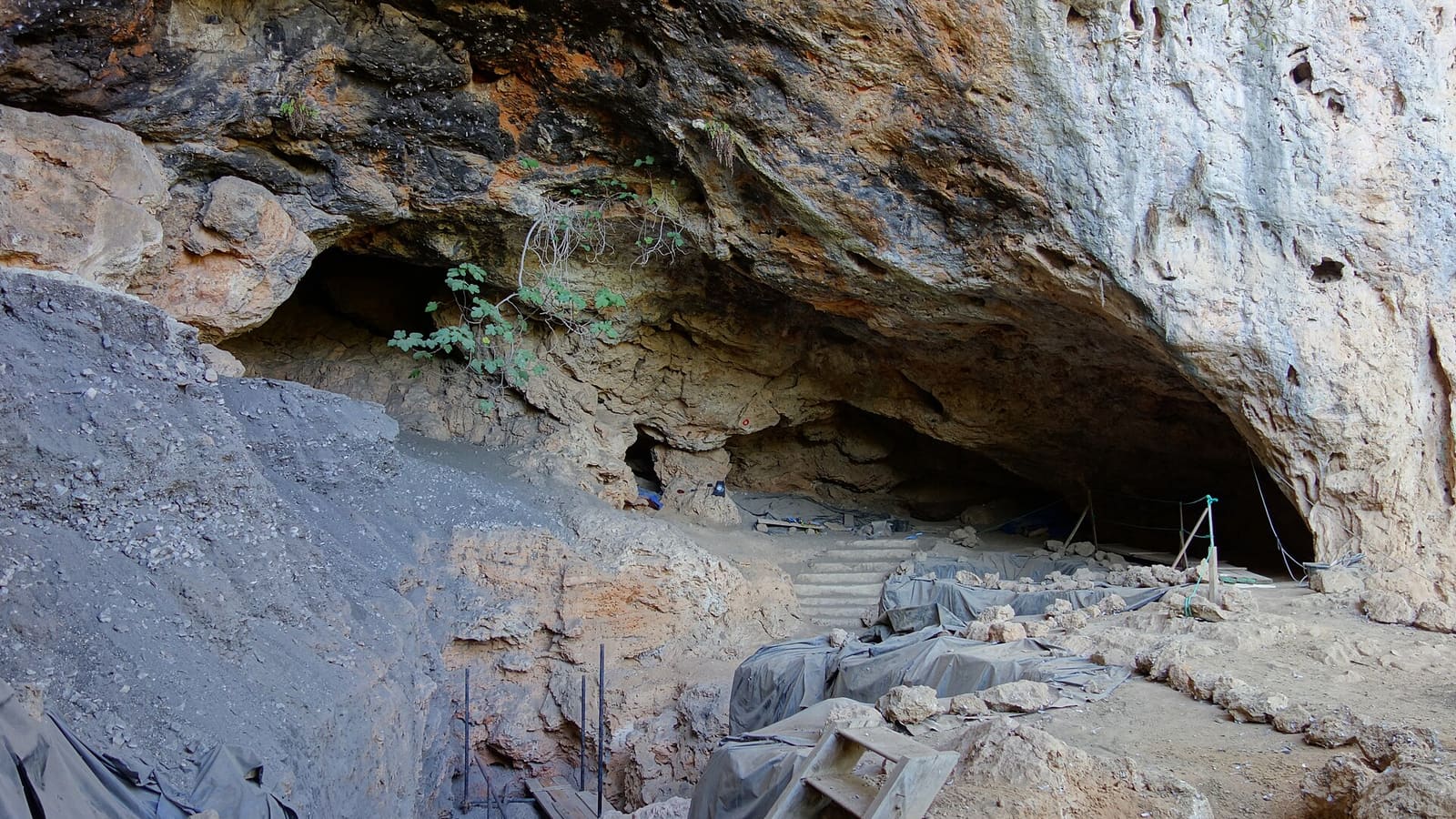
In 2017, the journal Nature published new fossils and dates from Jebel Irhoud, a former mine in the hills between Marrakech and Safi. The remains of several individuals, found with Middle Stone Age tools, were dated to about 315,000 years ago — some 100,000 years older than the oldest Homo sapiens fossils known until then in East Africa. Their faces look strikingly modern; their braincases are more elongated and archaic.
Researchers still debate how to classify these early people, but Jebel Irhoud showed that the story of our species involved the whole African continent, North Africa included.
The first symbols: Bizmoune and Taforalt
Being human is also about symbols. Near Essaouira, Bizmoune cave has yielded 33 perforated shell beads at least 142,000 years old, the oldest known in the world. In north-eastern Morocco, the Pigeons' Cave at Taforalt has produced beads of about 82,000 years and, in later layers, one of the oldest known cemeteries of North Africa, used around 15,000 years ago by the people of the Iberomaurusian culture.
Engravings in stone: the rock art of the Atlas and the South
From the high plateau of Oukaïmeden above Marrakech to the sandstone ridges of the Anti-Atlas, thousands of engravings show animals, hunters, weapons and signs. Some depict elephants and giraffes, reminders of a greener Sahara. Our guide to rock art in Morocco explains where to see them.
Phoenicians, Mauretanian kings and Romans
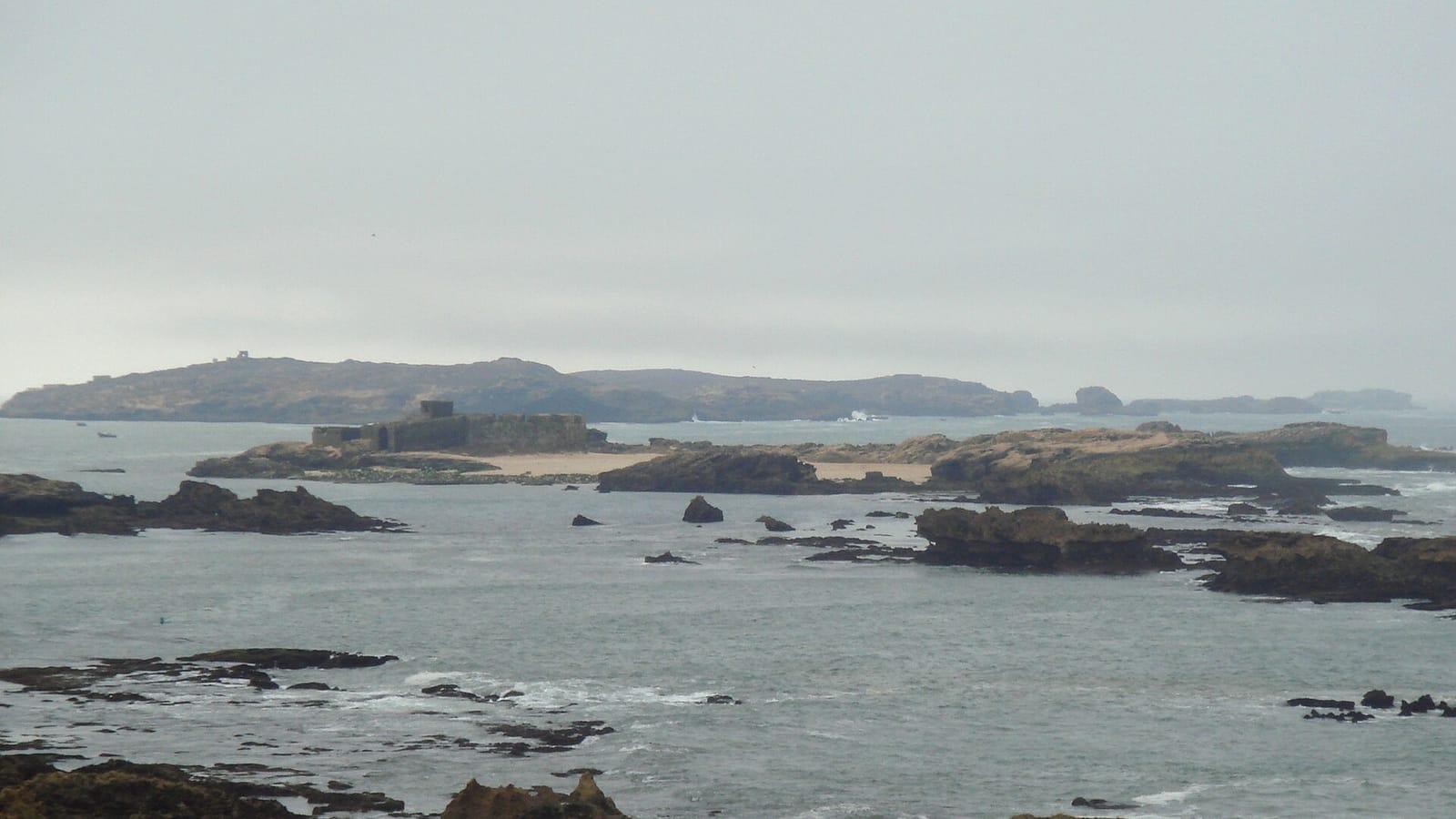
From the 8th–7th centuries BC, Phoenician sailors founded trading posts along the coast. One of the southernmost known is on Mogador island, off Essaouira. Further north, Lixus, near Larache, grew from a Phoenician foundation into a city famous in Roman times for its fish-salting factories.
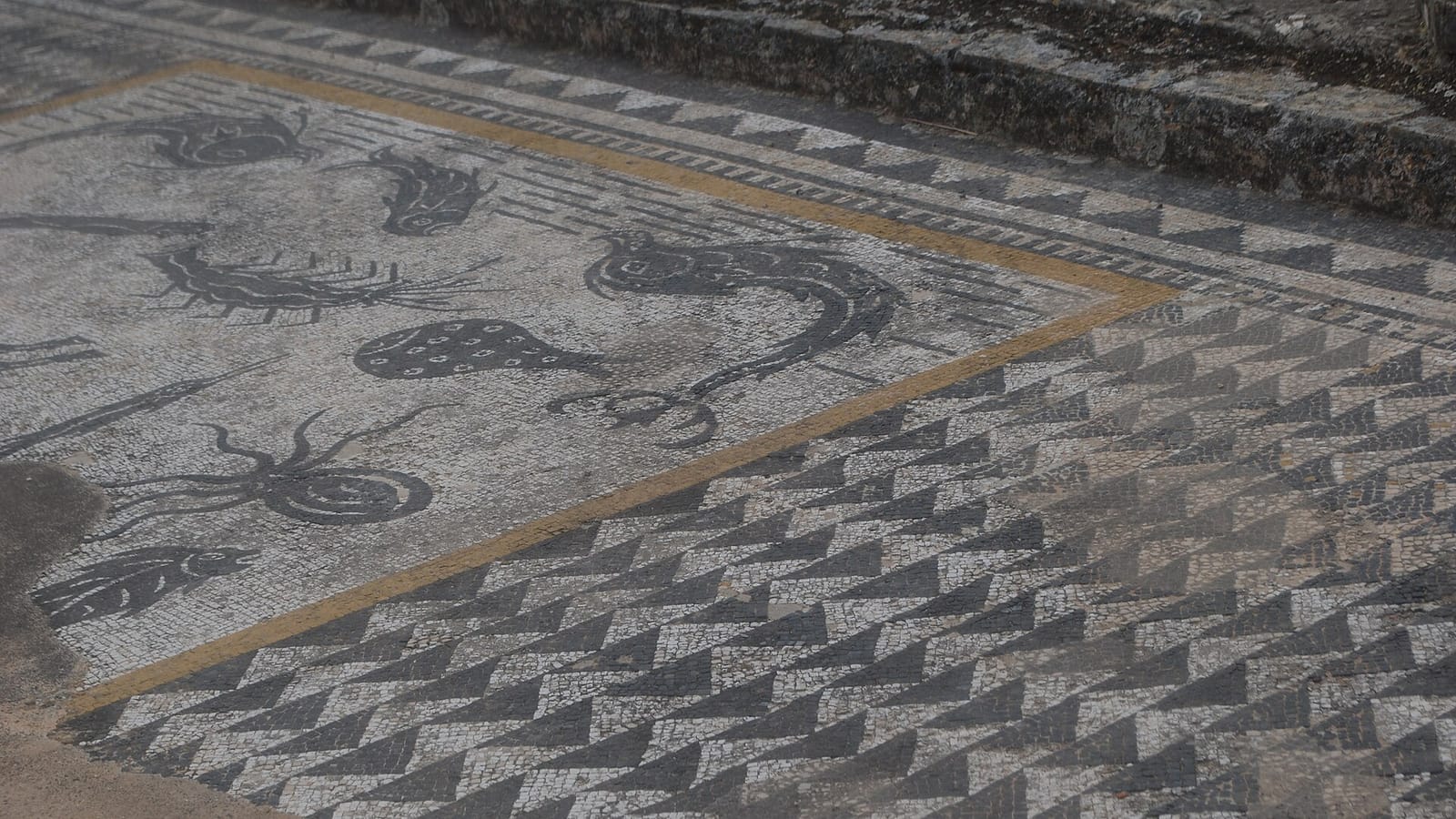
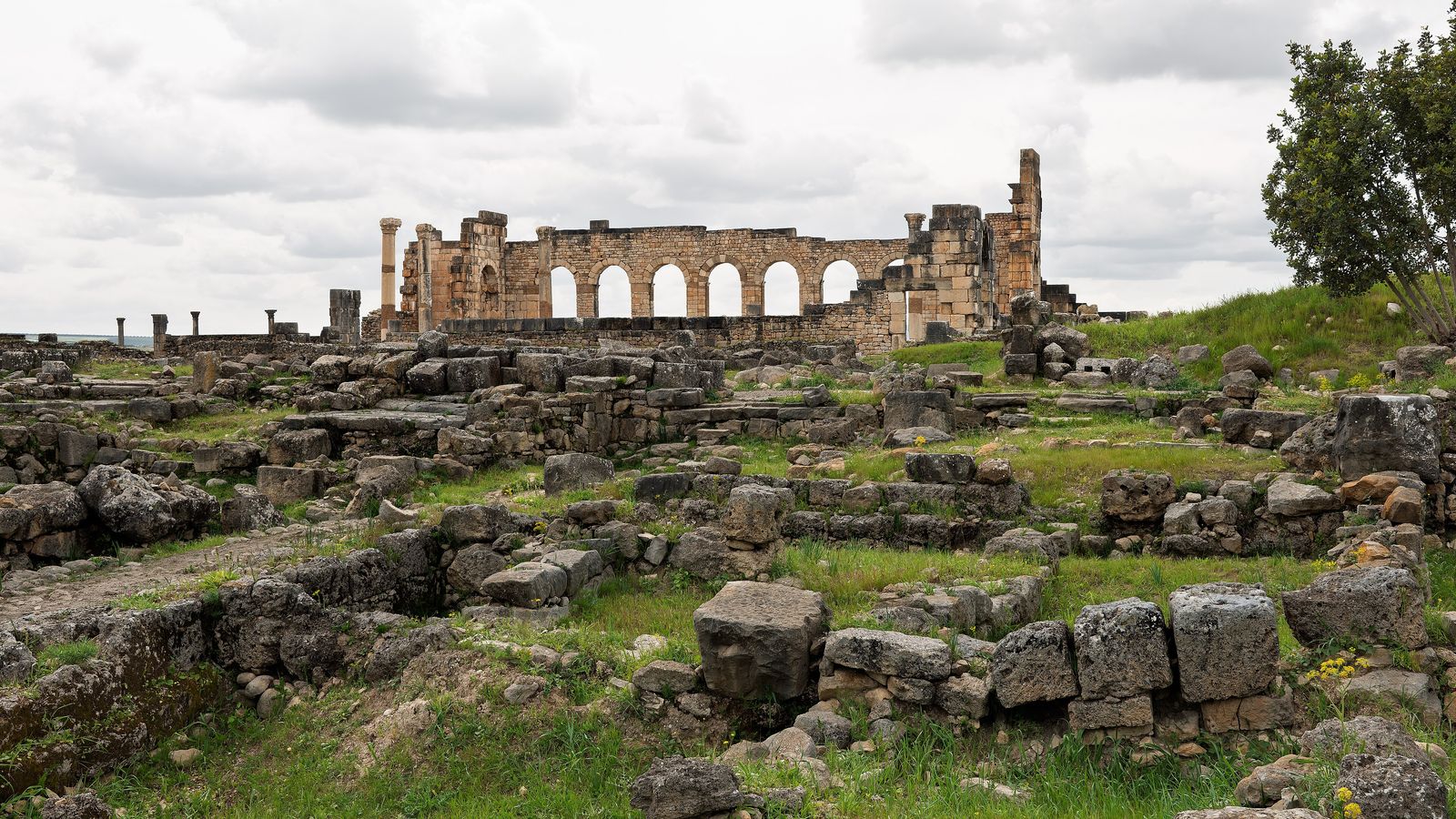
The kingdom of Mauretania, then Roman rule, left the jewel of Moroccan archaeology: Volubilis, near Meknes, inscribed by UNESCO in 1997. Its triumphal arch dedicated to Emperor Caracalla, its basilica and its floor mosaics — Hercules' labours, Bacchus, marine scenes — are among the finest in North Africa. Other Roman-era sites include Banasa in the Gharb plain and Sala Colonia inside the Chellah of Rabat.
Medieval capitals of gold and caravans
- Sijilmassa, near Rissani in the Tafilalet, founded in the 8th century, was for centuries a great caravan terminus of the trans-Saharan gold trade. Its ruins lie on the road to the dunes of Merzouga.
- Aghmat, at the foot of the Atlas near the Ourika road, was an important city before the founding of Marrakech; excavations have revealed a mosque and a hammam, and it shelters the tomb of al-Mu'tamid, the poet-king of Seville.
Where to see archaeology in Morocco on a road trip
| Site | Period | How to include it |
|---|---|---|
| Volubilis | Mauretanian & Roman | Imperial Cities & Chefchaouen circuit |
| Chellah, Rabat | Roman & Marinid | Circuits from Casablanca via Rabat |
| Aghmat | Medieval | Combine with the Ourika valley day trip on request |
| Sijilmassa (Rissani) | Medieval | Grand South & Sahara in 5 days |
| Rock art of the Draa | Prehistoric | Circuits via Zagora |
| Mogador island | Phoenician & Roman | Viewed from Essaouira (no landing) |
| Thomas Quarry, Jebel Irhoud, Bizmoune | Prehistoric | Research sites, not open to the public |
To see finds from these sites, the Museum of History and Civilisations in Rabat presents Morocco's past from prehistory to the Islamic period.
Visiting responsibly
Archaeological heritage is protected by Moroccan law. Never dig, use metal detectors or pick up objects at a site, and never buy "antiquities" offered in markets — exporting them is illegal and fuels looting. Choose licensed guides at major sites such as Volubilis, and respect closed areas. These principles go hand in hand with sustainable tourism in Essaouira and everywhere else.
Build your heritage itinerary
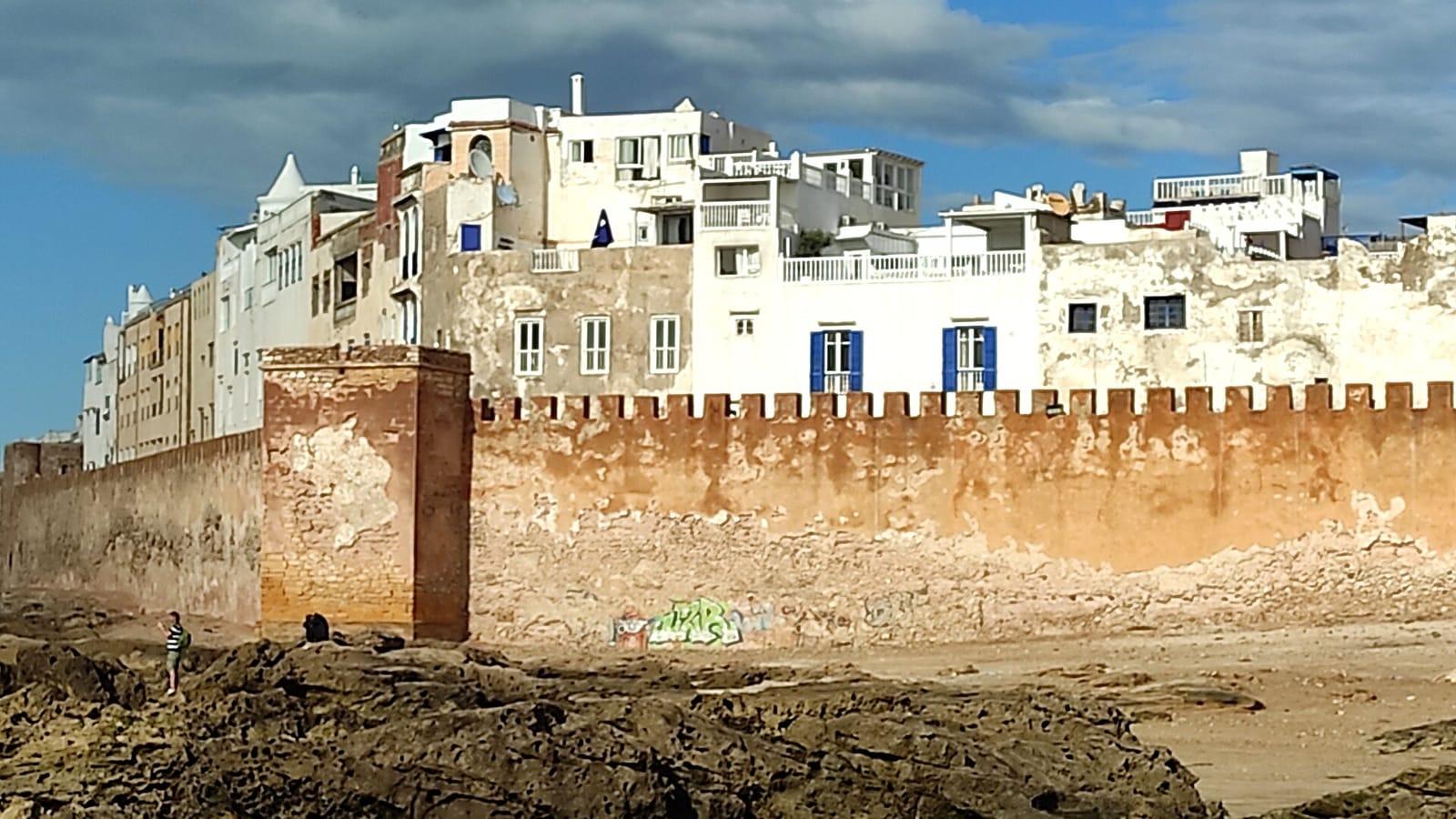
Archaeology in Morocco pairs perfectly with living heritage: the medina of Essaouira, the imperial cities and the UNESCO World Heritage sites in Morocco. Start in Marrakech with a transfer to Casablanca for the northern circuits, or head south over the Atlas with a transfer to Ouarzazate. Tell us your interests through our contact page: we will design the route and provide the private transport, minimum two people.