Giraffes, elephants and rhinoceros in Morocco? Not today — but thousands of years ago, when the Sahara was green, these animals roamed the south of the country, and the people who lived alongside them carved their portraits into the rock. Rock art in Morocco is one of the country's least known treasures: open-air galleries scattered across the High Atlas, the Anti-Atlas and the Draa valley. Here is where to see it, what it means and how to visit without damaging it.
Rock art in Morocco: what it is and why the country is so rich in it
Rock art covers images painted or engraved on natural rock surfaces. In Morocco, almost all of it is engraved: figures pecked, incised or polished into sandstone and other hard rocks. Researchers have recorded hundreds of sites, from the high pastures of the Atlas to the southern plateaus bordering the desert.
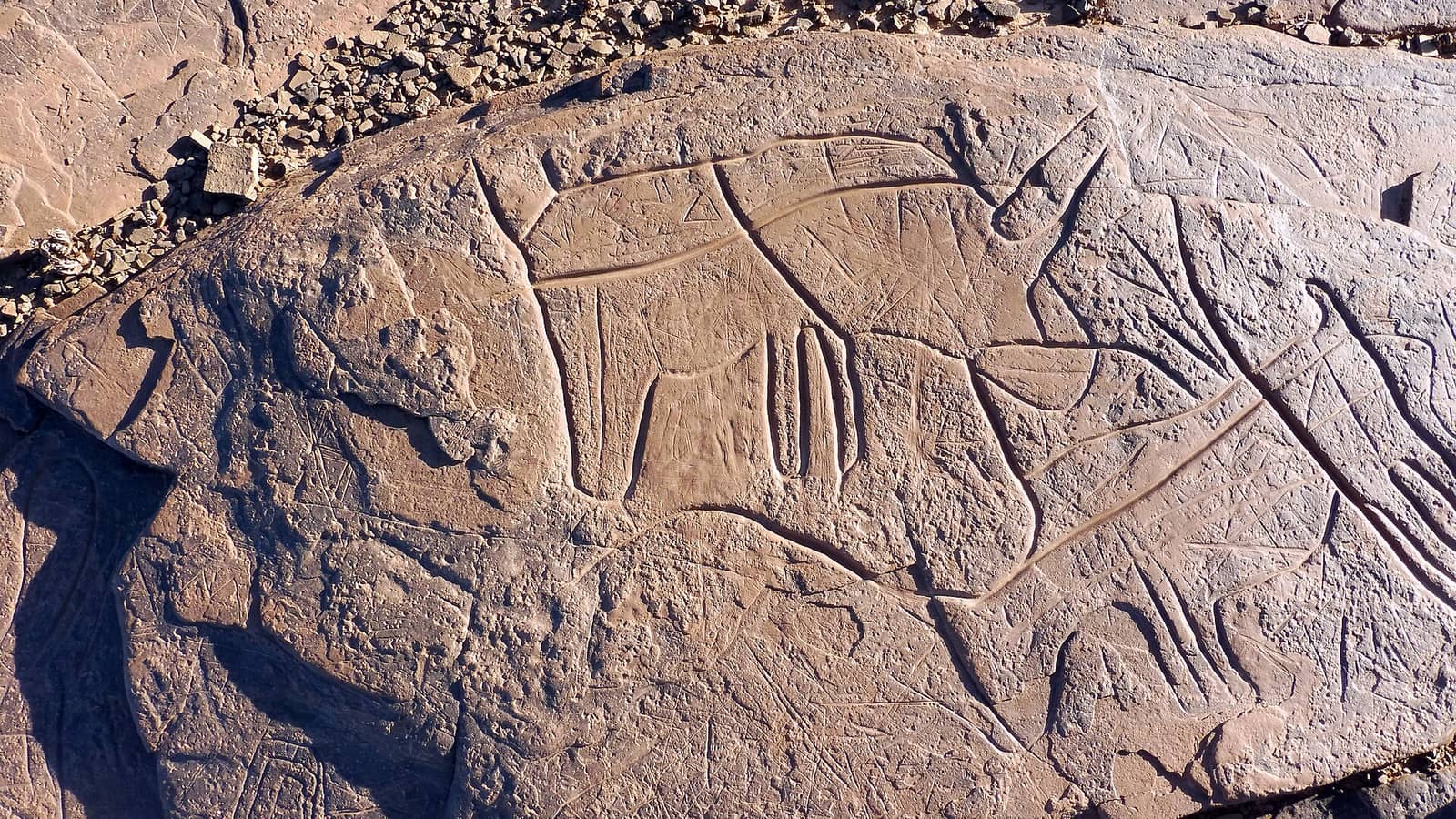
The images span several periods. The oldest show wild animals of the African savannah — elephants, giraffes, rhinoceros, antelopes — from the time of the "Green Sahara", when lakes and grasslands covered regions that are desert today. Later engravings depict cattle and herders, then horses, riders, weapons and shields, and finally inscriptions in the ancient Libyco-Berber alphabet, an ancestor of today's Tifinagh script.
Oukaïmeden: rock art at 2,600 metres above Marrakech
About 75 km south of Marrakech, the high plateau of Oukaïmeden is best known as Morocco's ski station. In summer, when shepherds bring their flocks to the traditional agdal pastures, its rocks reveal one of the most important concentrations of rock art in Morocco: hundreds of engravings spread across several areas of the valley.
Many show weapons — daggers, halberds, shields — together with animals and human figures, generally attributed to the metal ages, a few thousand years ago. Researchers interpret them as markers of territory, prestige or ritual in a high-mountain landscape that has been shared by herders for millennia.
When to go: from late spring to early autumn, when the snow has melted. Oukaïmeden lies above the Ourika valley: our Ourika valley day trip from Marrakech can be extended to the plateau on request.
Aït Ouazik: the Anti-Atlas gallery of the Green Sahara
In the eastern Anti-Atlas, about 13 km south-west of the village of Tazzarine and reached by a track, the site of Aït Ouazik is one of the most famous rock art sites in Morocco. Along a sandstone ridge, engraved blocks show giraffes, rhinoceros, elephants, ostriches, antelopes and mysterious spirals, some of which are thought to be around 6,000 years old.
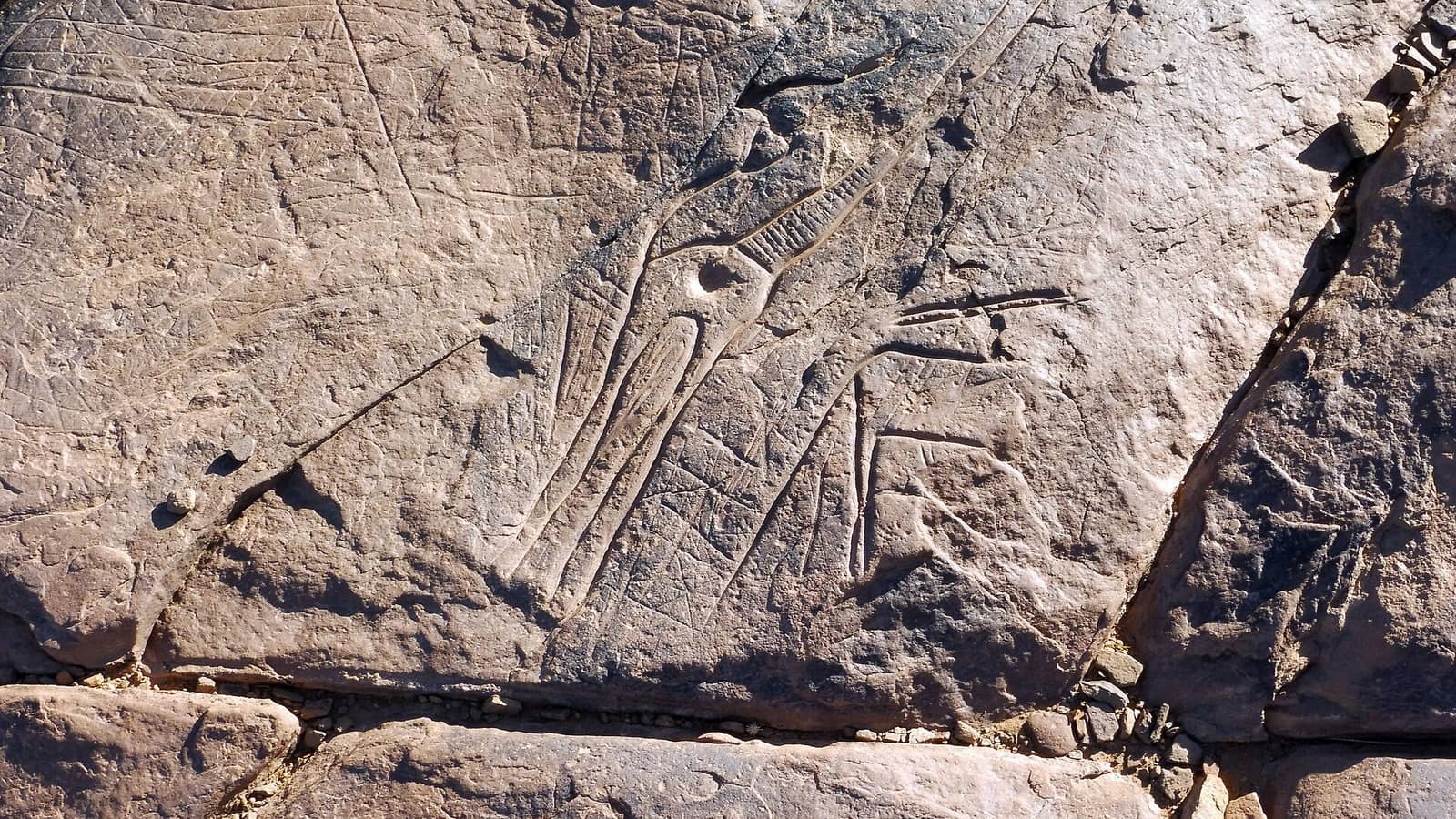
The quality of the engravings — smooth, deeply polished outlines — makes it a moving place, especially in the low light of morning or late afternoon. Tazzarine lies on the road between Zagora and the dunes of Merzouga, followed by our Grand South & Sahara circuit in 5 days; a detour to Aït Ouazik can be planned on request, depending on the state of the track.
Foum Chenna: engravings and ancient letters in the Draa valley
Near Tinzouline, in the Draa valley between Agdz and Zagora, the site of Foum Chenna brings together more than 800 engravings made by pecking, many of them schematic figures and a large number of inscriptions in the Libyco-Berber alphabet. It is a fascinating place to see how symbols evolved into writing.
The Draa valley is the heart of our Zagora & Draa valley circuit in 4 days, which follows the palm groves and kasbahs down to Zagora. Read our Draa valley guide to prepare the journey.
What the engravings tell us
- A changing climate. Elephants and giraffes carved in today's desert are a vivid record of the Green Sahara and its slow drying.
- A changing economy. From hunters to herders to horse riders: the images follow the transformation of societies.
- The birth of writing. Libyco-Berber inscriptions link prehistoric symbols to the Amazigh culture still alive in these valleys — explore it in our guide to Berber culture.
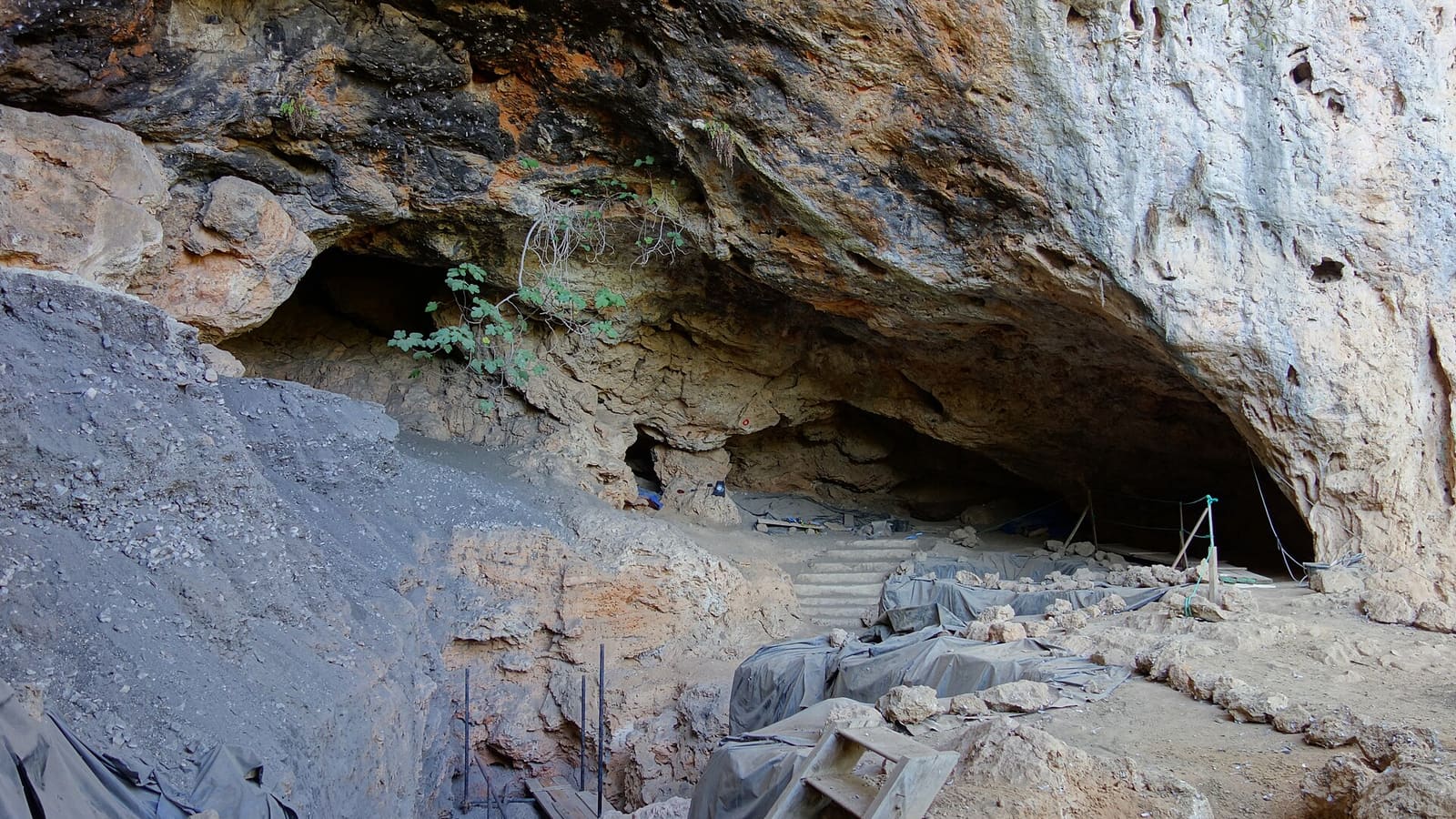
Rock art is one chapter of a much longer story. To go further back in time, read our overview of archaeology in Morocco, and discover the 142,000-year-old shell beads of Bizmoune cave near Essaouira.
How to visit rock art sites respectfully
Engravings that have survived thousands of years can be destroyed in a single afternoon. Please:
- Never touch, wet, chalk or rub an engraving to make it more visible — use the natural light instead.
- Don't walk on engraved slabs and don't move stones.
- Go with a local guide who knows the site and its rules.
- Take nothing but photos — removing fragments is illegal and irreversible.
- Report damage to local authorities or your guide if you see vandalism.
Practical tips
- Best light: early morning or late afternoon, when grazing light reveals the outlines.
- Equipment: sturdy shoes, sun protection, water — sites are exposed and remote.
- Tracks: Aït Ouazik and some Draa sites are reached by tracks; ask us in advance so we can plan the right vehicle and timing.
- Seasons: spring and autumn are ideal in the south; summer suits Oukaïmeden.
Plan your rock art journey
The engravings are in remote places, which is exactly why a private driver makes sense. Cross the High Atlas with a transfer from Marrakech to Ouarzazate, then continue towards the Draa, or let us combine Foum Chenna, Aït Ouazik and the dunes in a tailor-made circuit — private transport with a driver, minimum two people, quote on request. Our guide to a tailor-made Morocco tour explains how we build it, and you can reach us through our contact page to start planning your journey into rock art in Morocco.