On a road trip through the Atlas and the South, almost every village you pass, every family that offers you tea and every market you wander through is part of the Amazigh world. Understanding a little Berber culture turns a beautiful landscape into a living one: you start to notice the symbols painted on doors, the patterns on carpets, the language spoken at the roadside and the rhythm of village life.
Here is our short, respectful guide for travellers.
Amazigh or Berber?
The Amazigh (plural Imazighen) are the indigenous people of North Africa, present long before the arrival of the Arabs in the 7th century. The word is often translated as "free people". "Berber" is the older term used by outsiders and is still widely used, including by many Moroccans, but "Amazigh" is the name people use for themselves. A large part of Morocco's population has Amazigh roots, and in the High Atlas, the Anti-Atlas and the South, Amazigh languages are spoken every day.
Languages and the Tifinagh alphabet
Morocco has three main Amazigh languages: Tachelhit in the Souss, the Anti-Atlas and the western High Atlas; Tamazight in the Middle Atlas, the eastern High Atlas and valleys such as the Dades and Todra; and Tarifit in the Rif in the north. Since 2011, Amazigh has been an official language of Morocco alongside Arabic, and you will see the ancient Tifinagh script on road signs and public buildings. Since 2024, the Amazigh New Year, Yennayer, celebrated in mid-January, has been a national holiday.
Village life
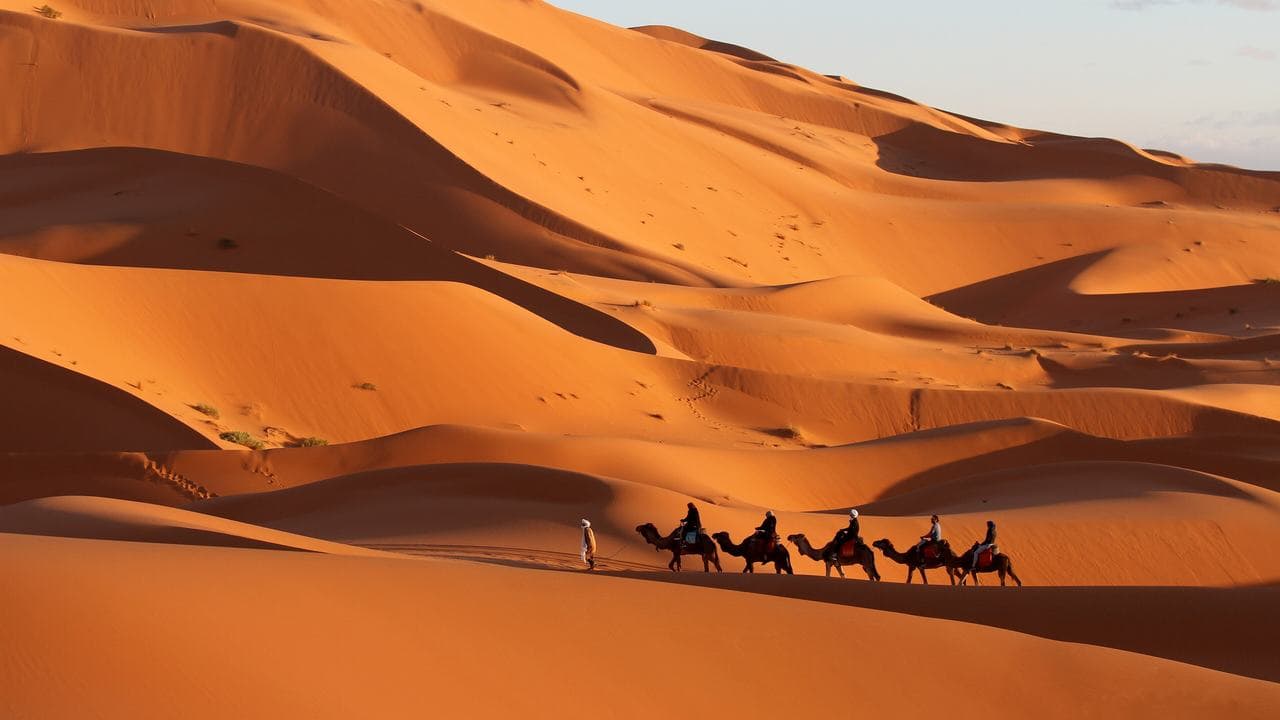
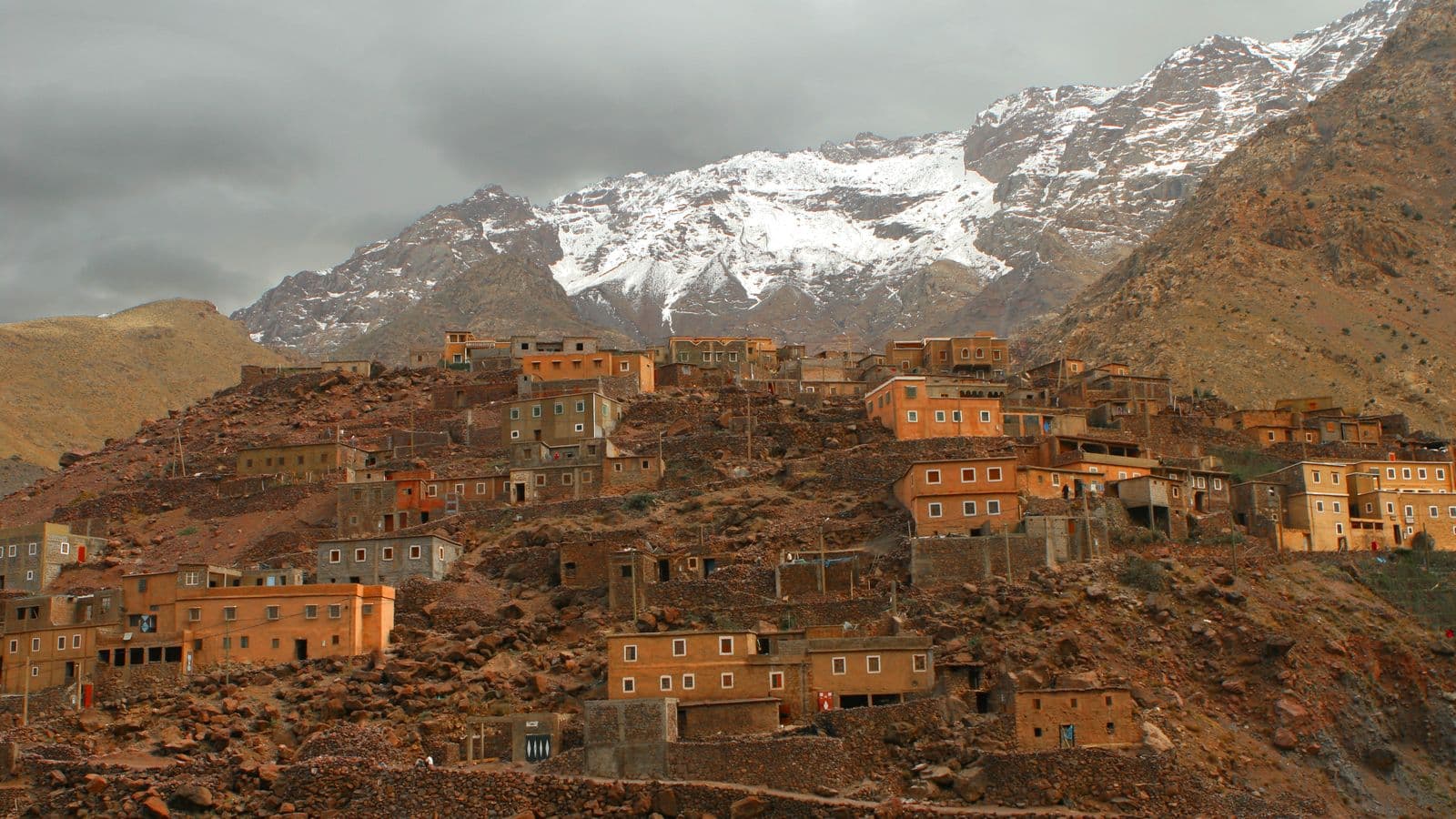
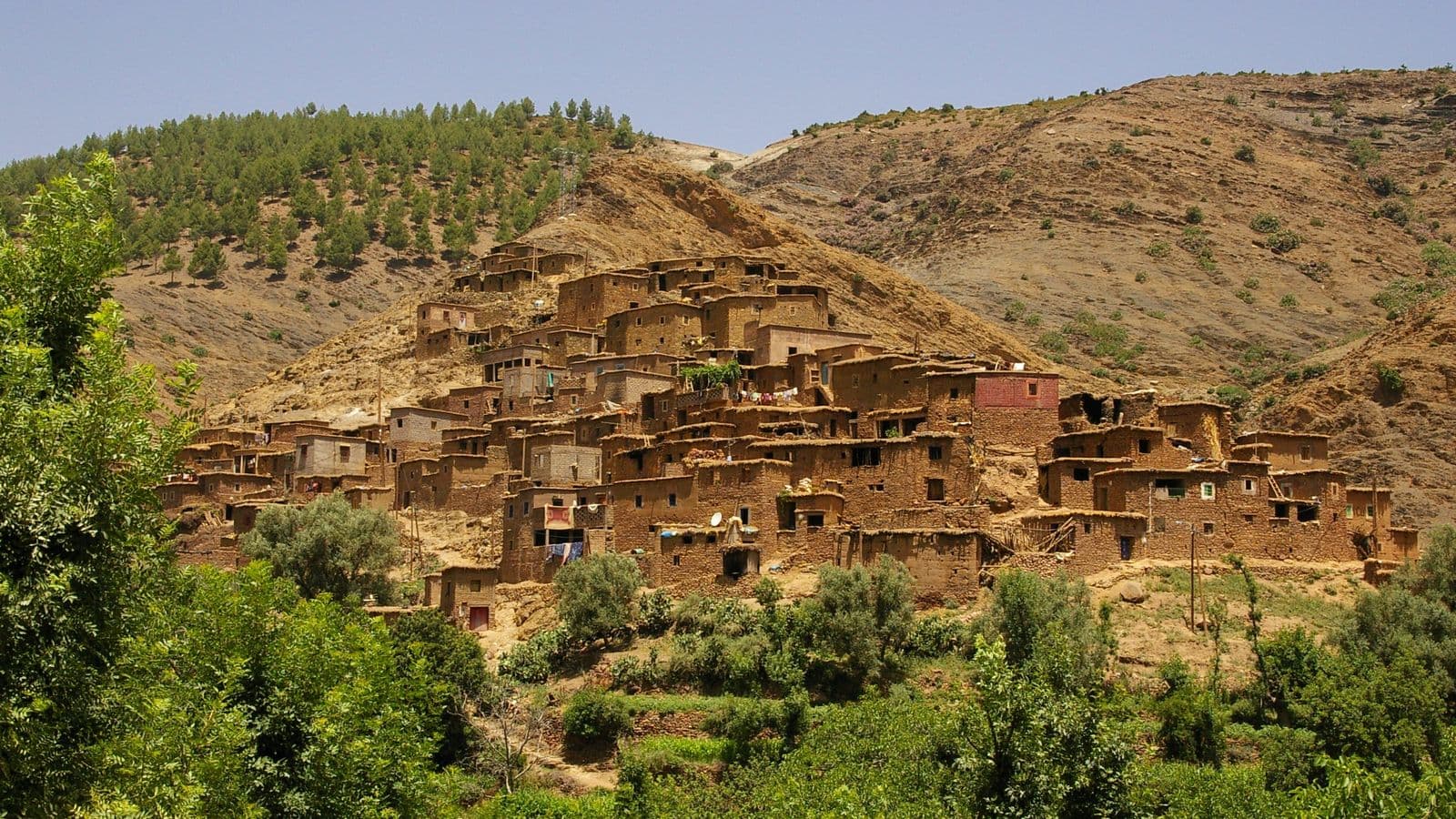
In the mountains and the oases, life is organised around water and land. Terraced fields climb the slopes, irrigation channels are shared between families by turns, and fortified granaries once protected harvests from raids. Some families still practise transhumance, moving their flocks between summer and winter pastures, and in the Saghro and around Merzouga a few nomad families live in tents. Our guides to Imlil and the Dades valley describe this way of life.
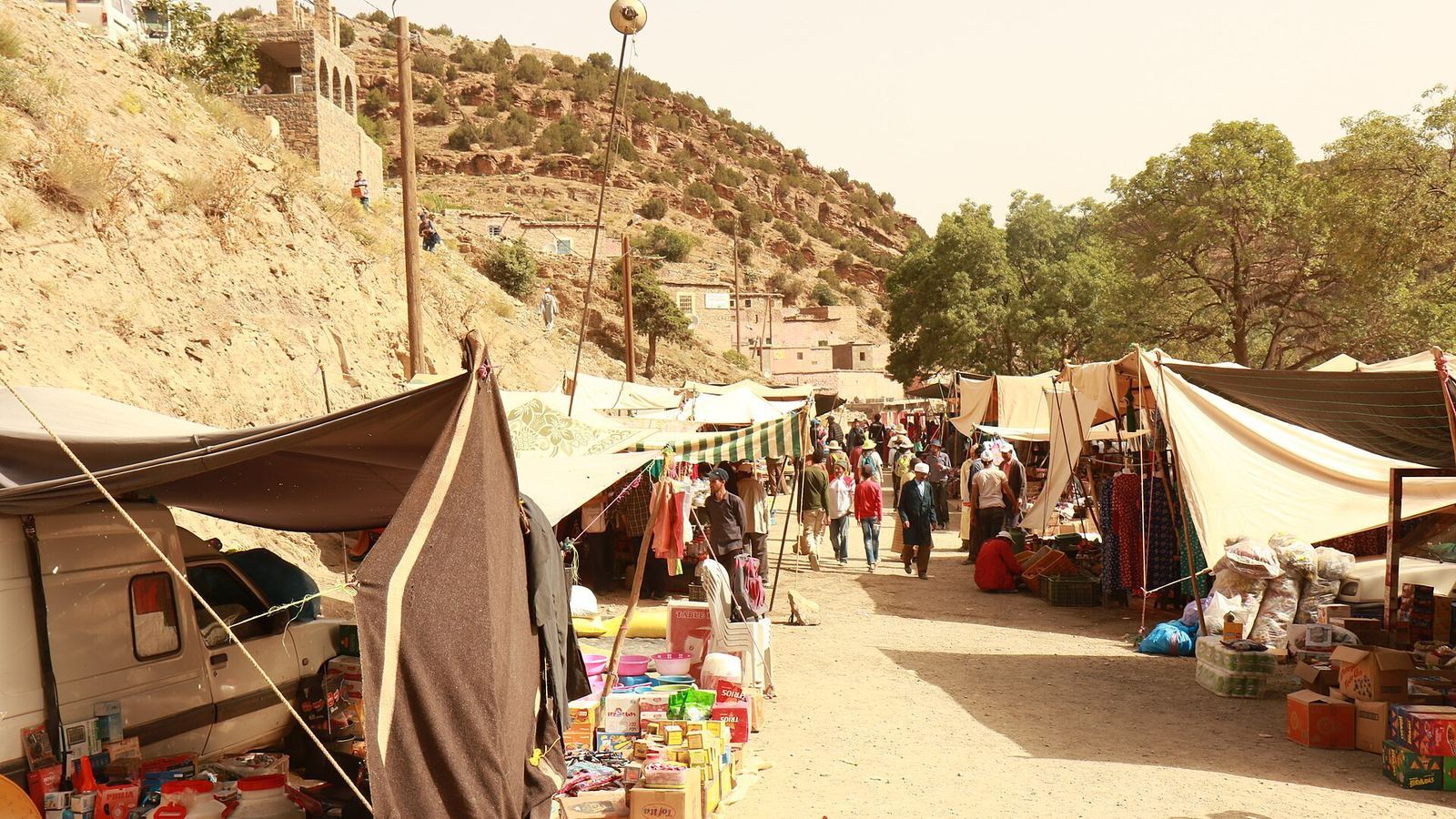
The weekly souk is the heart of rural life: once a week, villagers gather to trade animals, vegetables, spices and tools, catch up on news and visit the barber. Our Berber market guide explains how to enjoy one respectfully.
Crafts and symbols
- Carpets and rugs: each region has its own style, from the geometric kilims of the High Atlas to the carpets of Tazenakht in the Anti-Atlas. The motifs often carry symbolic meanings — protection, fertility, the land.
- Silver jewellery: heavy fibulae, bracelets and necklaces, traditionally worn as a family's portable wealth.
- Earth architecture: kasbahs and ksour built of rammed earth, decorated with geometric motifs. See our feature on the road of a thousand kasbahs.
- The yaz symbol (ⵣ): the Tifinagh letter that has become the emblem of Amazigh identity, often seen on flags and jewellery.
Women, memory and transmission
Much of Berber culture has been passed on by women. They weave the carpets whose motifs record family and village identity, they keep the songs sung at weddings and harvests, and they teach the language at home. Some elderly women still wear facial tattoos, once a sign of belonging and beauty, while henna decorates hands for every celebration. Today, women's cooperatives — for argan oil, couscous, weaving or rose products — give many of them an independent income. Buying directly from a cooperative is one of the simplest ways to support them; see our argan cooperative guide.
Music and dance
In the High Atlas and the Anti-Atlas, ahwach brings villages together in long lines of singers and dancers with frame drums; in the Middle Atlas, ahidous features shoulder-to-shoulder lines of men and women. These are distinct from Gnawa music, which comes from communities of sub-Saharan origin — read our Khamlia guide to hear the difference.
Hospitality and etiquette
Amazigh hospitality is legendary: you may be invited for tea within minutes of arriving in a village. A few tips:
- Accept at least one glass of tea — it is a sign of respect.
- Ask before photographing people, especially women and elders, and respect a refusal.
- Dress modestly in villages: shoulders and knees covered.
- Take off your shoes when entering a home.
- Learn two words: azul (hello) and tanmirt (thank you). They always bring a smile.
Our what to wear in Morocco guide gives more practical advice.
Food
Amazigh cooking is simple and generous: tagines slow-cooked over charcoal, couscous, barley soups, bread baked in clay ovens or in the sand, honey, almonds and argan oil. Sharing a meal with a family is one of the best ways to experience Berber culture — and you can learn the recipes in a Moroccan cooking class.
Experiencing Berber culture on a tour
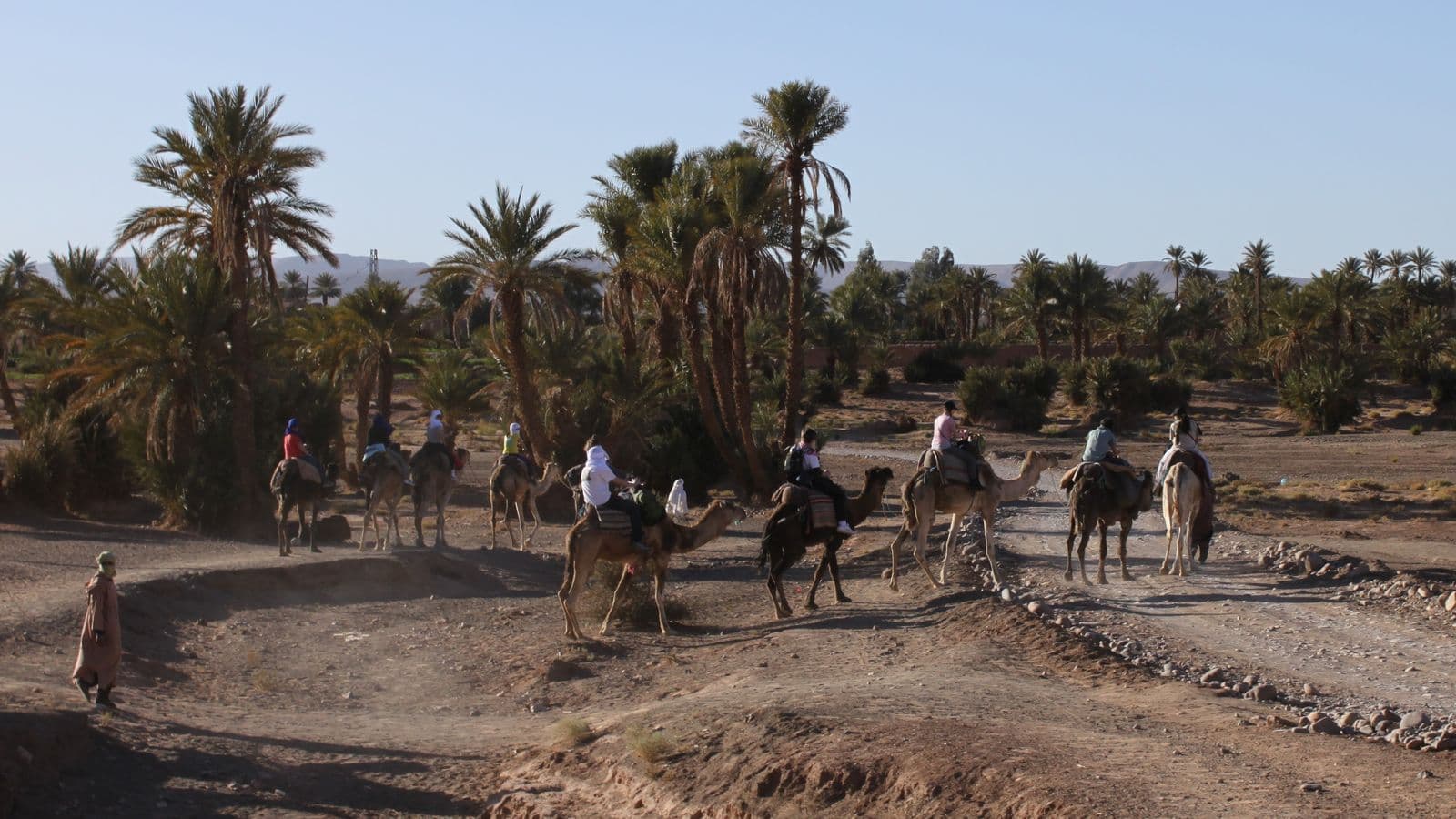
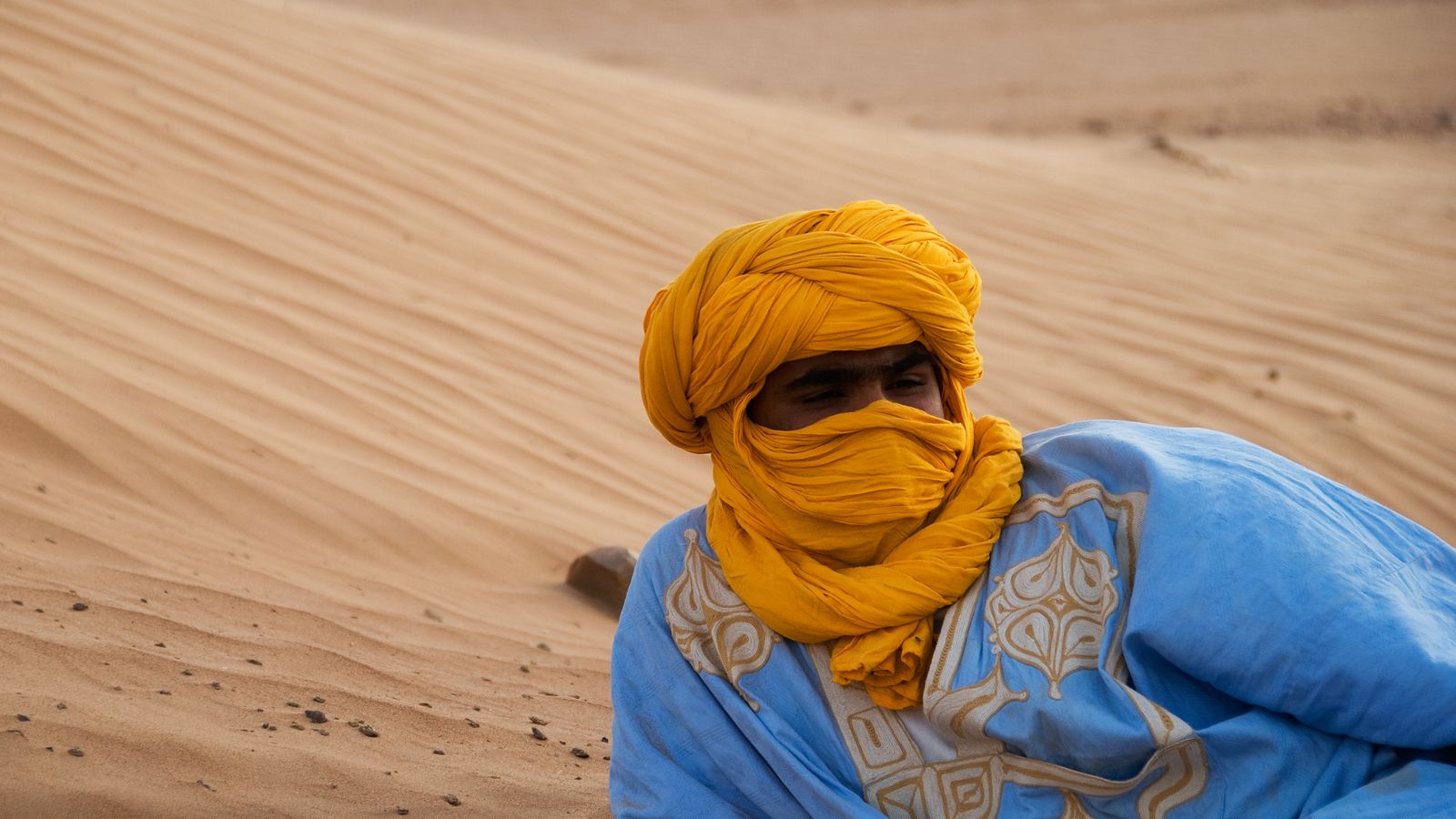
Our circuits are designed to meet people, not just see places: lunch with a family in the Imlil valley on the 3-day Atlas & Agafay tour, walks through Dades villages with a local guide, tea with nomad families around Merzouga, souks in Rissani and Taroudant. Your driver is often your best interpreter. Send us your dates on WhatsApp, or explore our guide to multi-day tours from Marrakech.