"What should I pack?" comes just after "Is it safe?" in the list of questions we receive before a trip. The good news: there is no strict dress code for visitors, and nobody expects you to dress like a local. But knowing what to wear in Morocco makes your trip more comfortable, helps you blend in a little and avoids unwanted attention in the medinas.
Here is our practical guide.
The general rule
Morocco is a Muslim country with relaxed attitudes in tourist areas. The simplest rule, for everyone, is to cover your shoulders and knees in the medinas, in villages and at religious sites. Beyond that, think about the climate: loose, breathable fabrics such as linen and cotton are your best friends in the heat, and layers are essential because temperatures change a lot between day and night, coast and mountains.
At the beach, by the pool and inside your riad or hotel, you can wear what you like.
What to wear in Morocco as a woman
- Loose trousers, maxi skirts and long dresses are comfortable and practical for the medina.
- Tops that cover the shoulders, such as T-shirts, light blouses or tunics; a light cardigan or kimono is handy over a sleeveless dress.
- A large scarf is the most useful item in your bag: protection from the sun and dust, a layer for the evening, and a cover for visiting a shrine or a religious site.
- Headscarves are not required for foreign women, apart from certain religious sites.
Very short shorts, low-cut tops and see-through fabrics attract attention in the medinas. In beach towns such as Agadir and Taghazout, dress codes are more relaxed. Our guide to safety in Morocco includes more advice for women travellers.
What to wear in Morocco as a man
- Long, light trousers or knee-length shorts. Shorts are common in beach towns and acceptable in cities, although long trousers are more usual in the medinas and villages.
- T-shirts and light shirts; linen is ideal in summer.
- Keep your shirt on away from the beach and the pool.
By destination
- Marrakech — very hot in summer, mild in winter with cold nights. Light clothes, a hat and comfortable shoes for the medina's paving; a warm layer from November to March.
- Essaouira and the coast — the wind is the key factor. Bring a windproof jacket or fleece even in August. Our guide to the best time to visit Essaouira explains why.
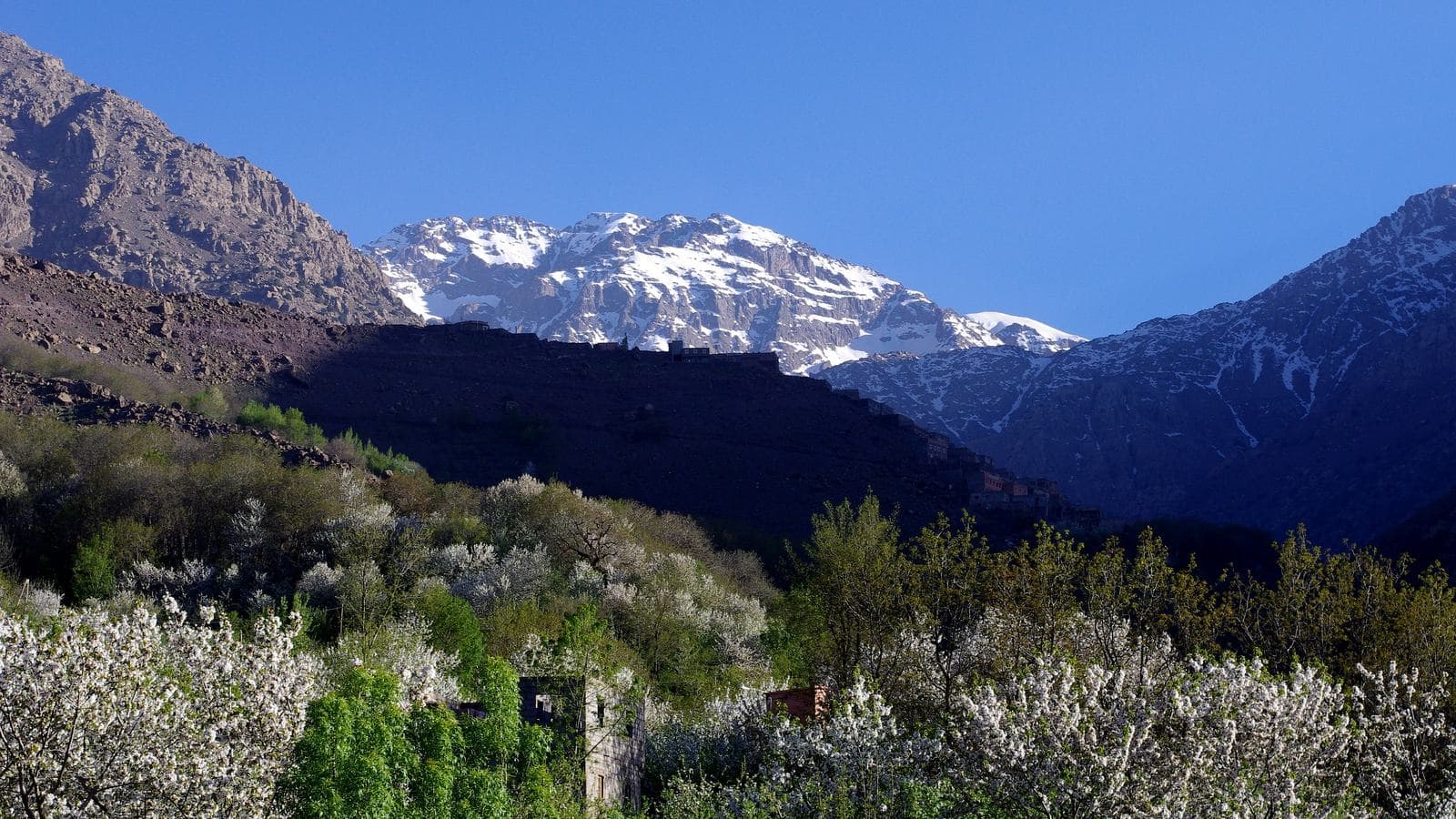
- The Atlas mountains — walking shoes with good grip, warm layers and a rain jacket; snow is possible on the peaks in winter. See our guide to the Atlas mountains from Marrakech.
- The desert — days can be hot and nights very cold. Pack warm layers, a hat, a scarf to protect your face from sun and sand, and closed shoes. Our desert trip guide has a full list.
By season
- Summer (June–September): light, loose, long clothes protect from the sun better than shorts and tank tops. A hat and sunglasses are essential.
- Winter (December–February): a warm jacket, a jumper and warm pyjamas — riads and guesthouses can be cold at night.
- Spring and autumn: layers, layers, layers.
Shoes
The medinas are paved with old stones and full of steps, so comfortable, closed walking shoes are the most important item you pack. Add sandals for the beach and the riad, and hiking shoes if you plan to walk in the Atlas. Leave very high heels at home.
Visiting mosques and religious sites
Non-Muslims cannot enter most active mosques in Morocco, with notable exceptions such as the Hassan II Mosque in Casablanca, which offers guided tours. For those visits, and for shrines and madrasas, cover your shoulders and knees, and bring a scarf; you will remove your shoes where prayer areas begin.
What not to worry about
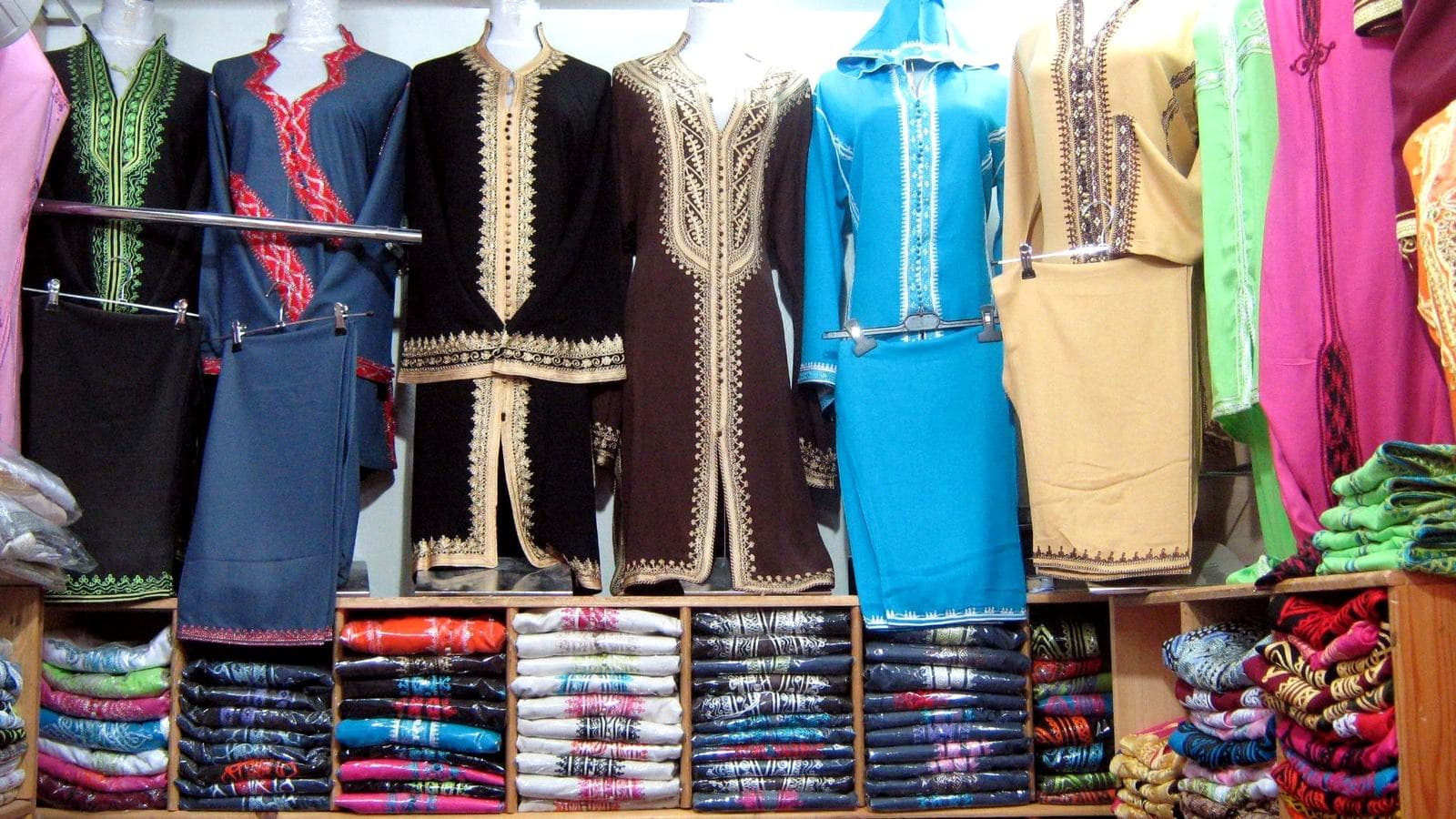
You do not need to buy a special wardrobe before the trip. In the modern districts of Marrakech, Casablanca and Agadir, many Moroccans wear jeans, T-shirts and fashionable clothes, and you will blend in easily. Nobody expects visitors to wear traditional dress, although many enjoy buying a djellaba as a souvenir. Comfort, a little modesty and layers for the evening are really all you need to decide what to wear in Morocco.
Buy it there
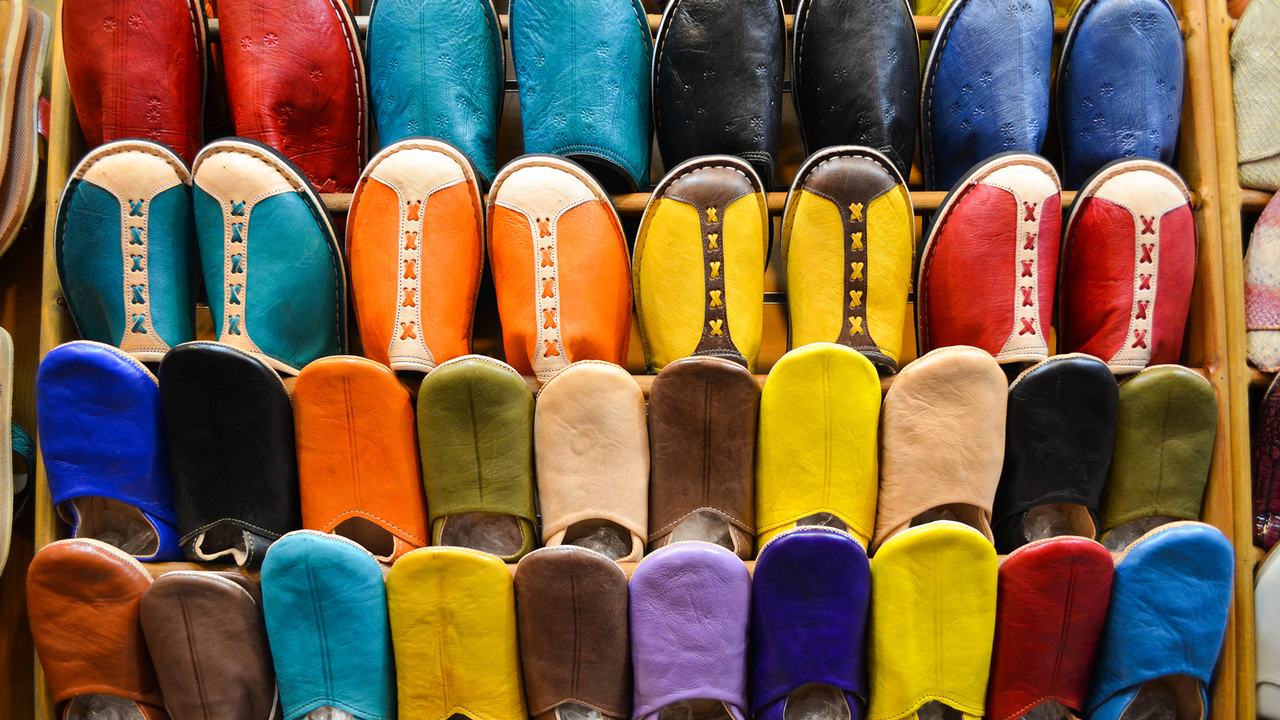
Morocco is a wonderful place to shop for clothes. Light cotton djellabas, embroidered kaftans, scarves and babouche slippers are sold in every souk — both practical and beautiful souvenirs. Our Marrakech souks guide explains how to bargain.
Packing checklist
- Light, loose clothing that covers shoulders and knees
- A large scarf or pashmina
- A warm layer and a windproof jacket
- Comfortable walking shoes and sandals
- Swimwear for the beach and the pool
- Hat, sunglasses and high-factor sunscreen
- A small daypack with a zip
Planning the rest of your trip? Read our Morocco travel tips for first-time visitors and our 7-day Morocco itinerary. And whatever you decide to wear in Morocco, our Marrakech airport transfer will be waiting when you land.