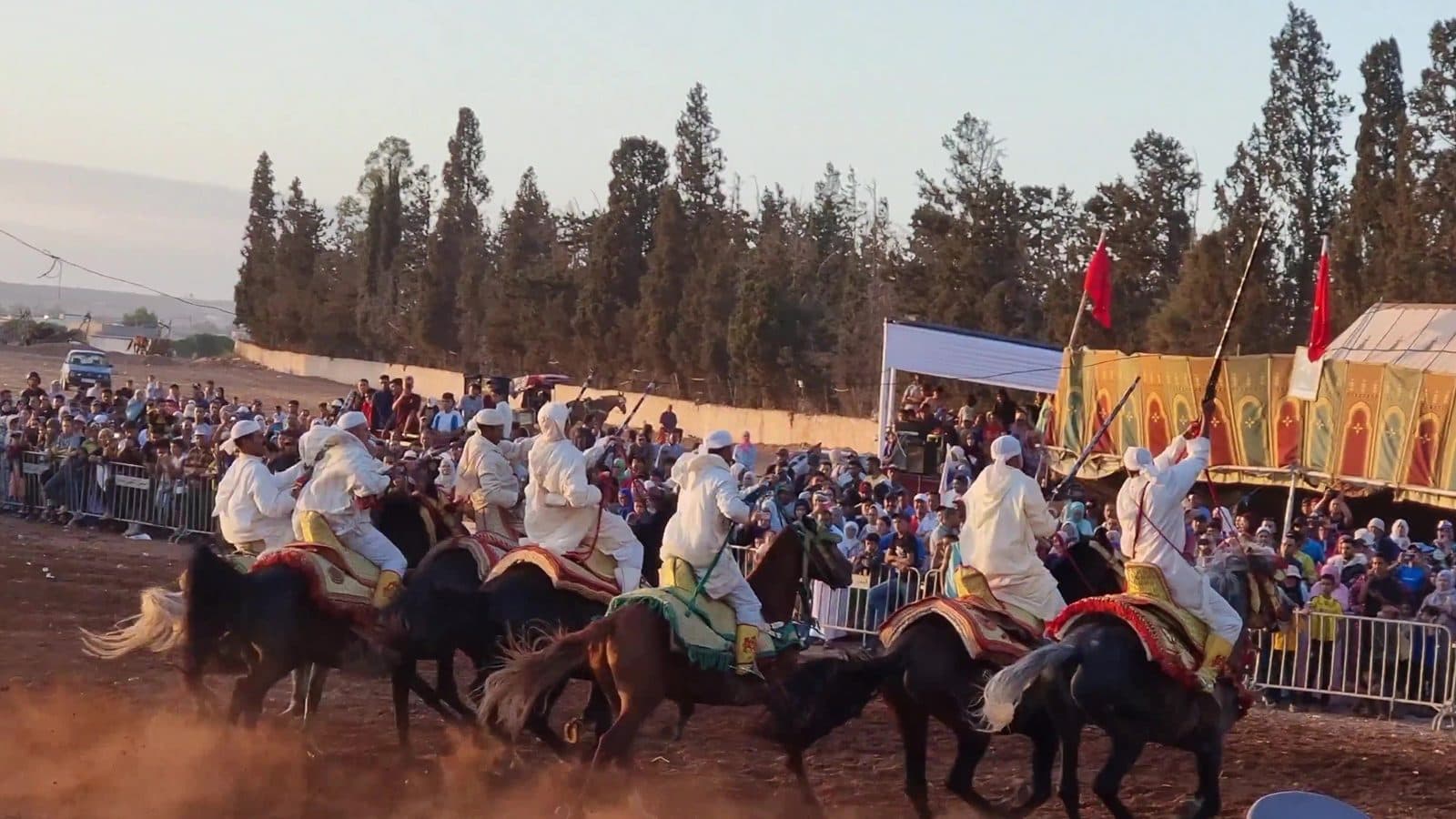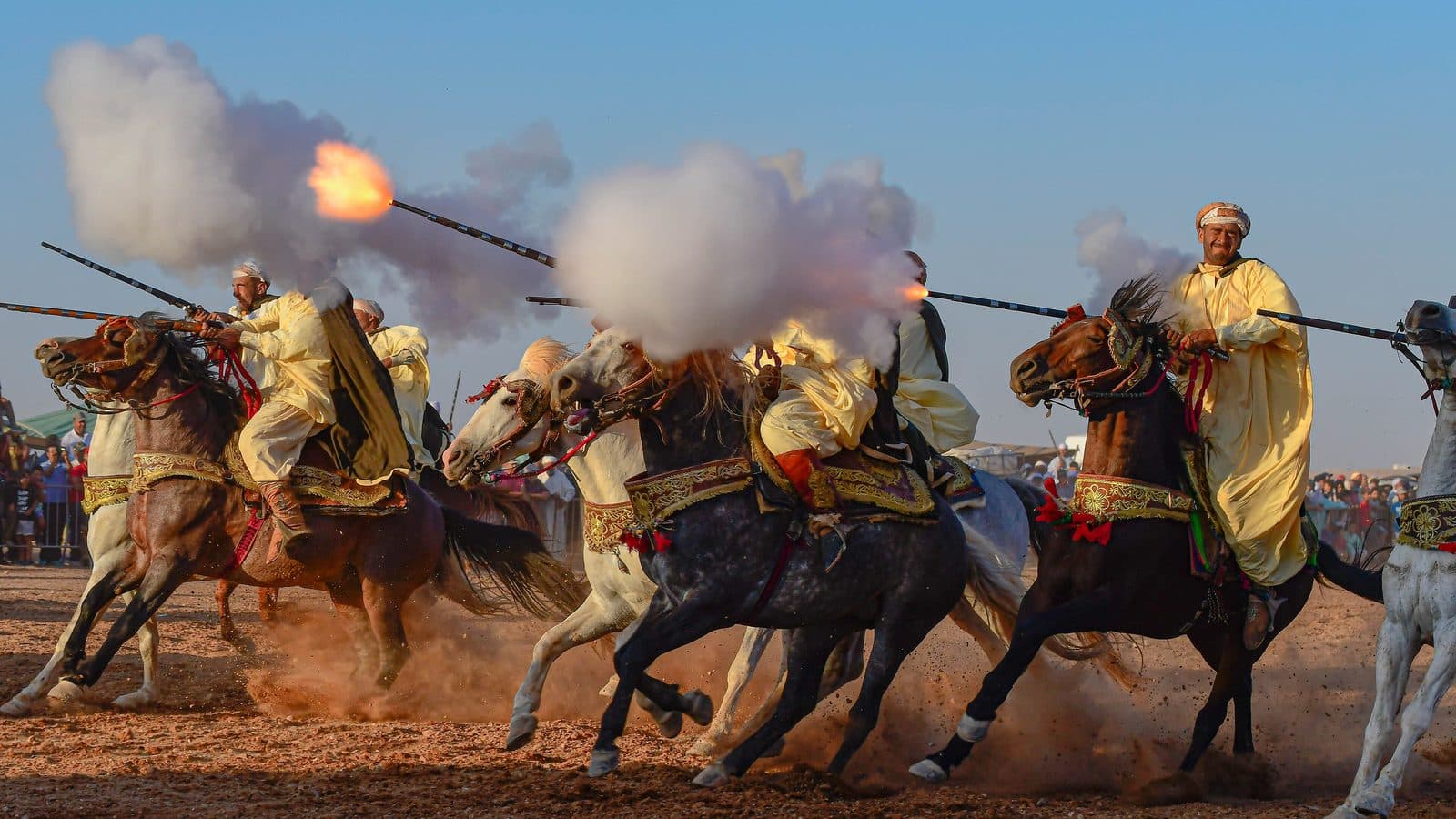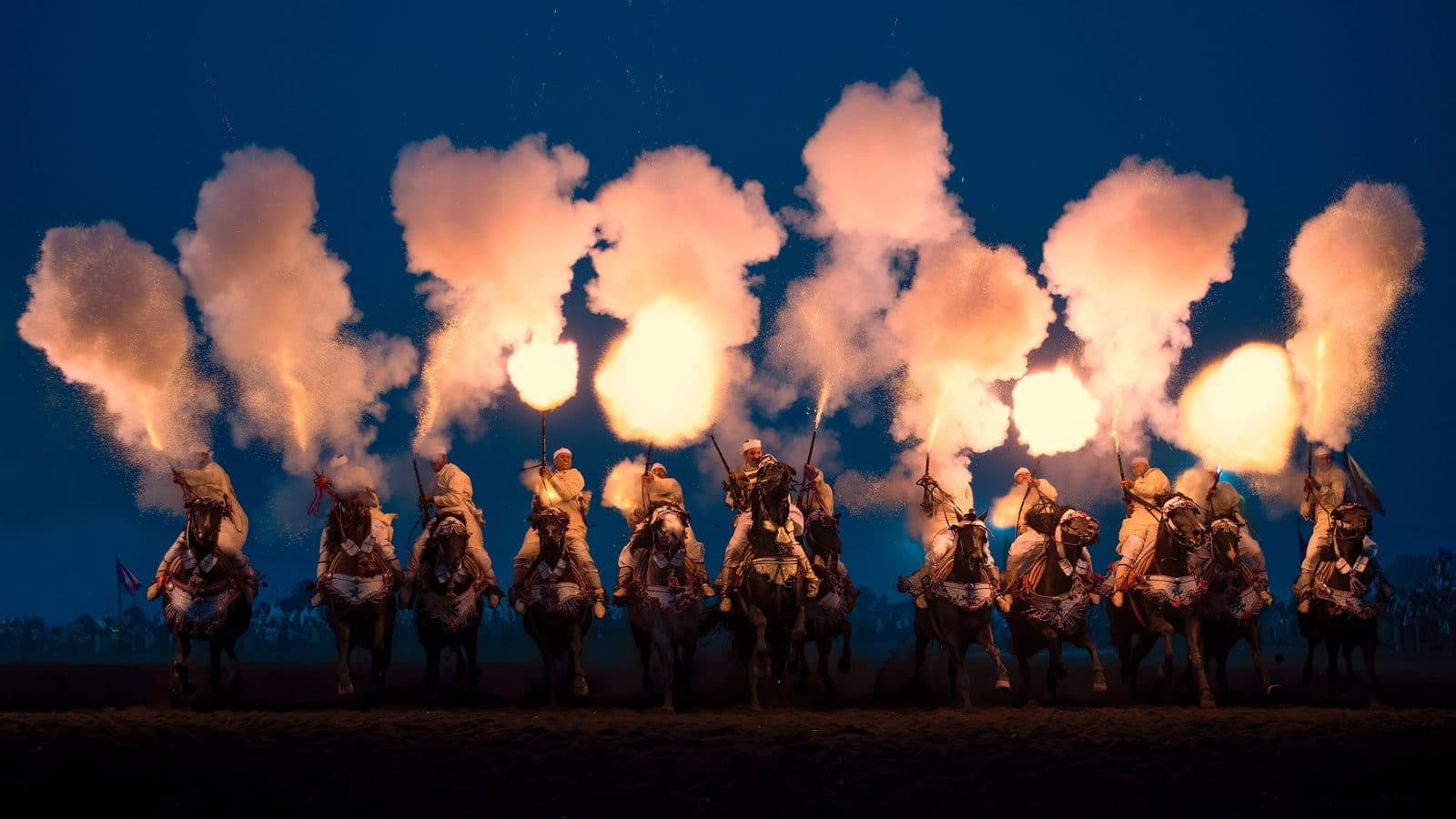
Ask a Moroccan what makes their country unique and many will talk about horses before they talk about tagine. The Moroccan fantasia — called tbourida in Morocco — is a charge of a dozen or more riders galloping side by side, who fire their long muskets at the very same instant. When it works, you hear one single, enormous bang, the crowd roars and the dust slowly settles over the field. When it does not, everyone knows, and the riders ride back to try again.
This guide explains what the fantasia is, how a performance works, what to look for, where and when you can see one near Essaouira and Marrakech, and how to get there — because the best fantasias happen in the countryside, far from bus routes.
What is the Moroccan fantasia?
The word tbourida comes from baroud, gunpowder. It recreates the cavalry charges of the past: tribes and armies once trained their horsemen to advance in tight lines and fire together. Over the centuries the military exercise became a ceremony, performed at weddings, religious festivals and harvest celebrations, and the practice is documented in Morocco since at least the sixteenth century.
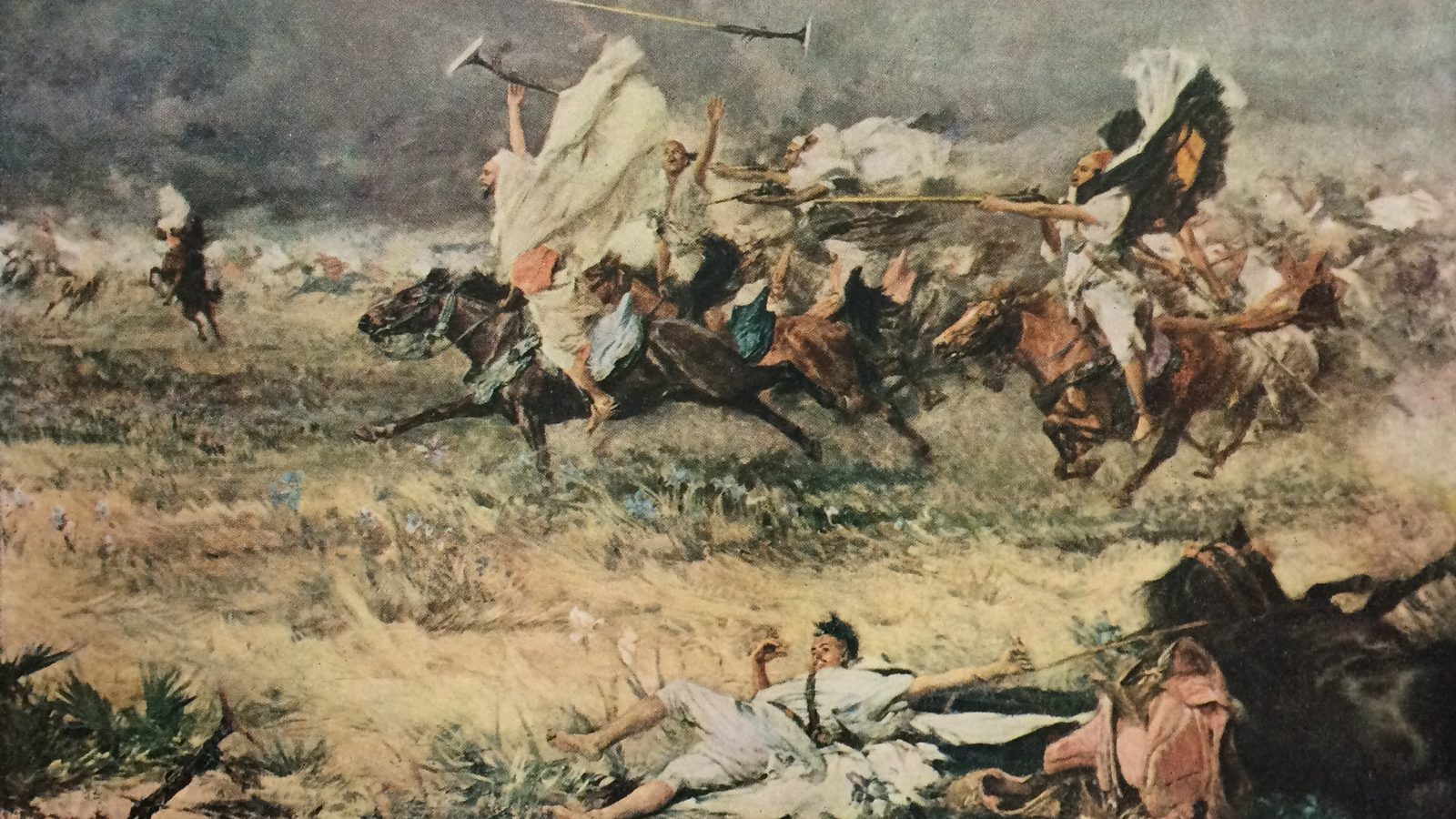
In December 2021 UNESCO added tbourida to its list of the Intangible Cultural Heritage of Humanity. The Moroccan fantasia is not a museum piece, though: hundreds of troupes train all year, compete in regional and national tournaments, and young riders — including women's teams — keep joining. European painters were fascinated by it too; the word fantasia itself spread through 19th-century paintings and travel writing.
How a tbourida works
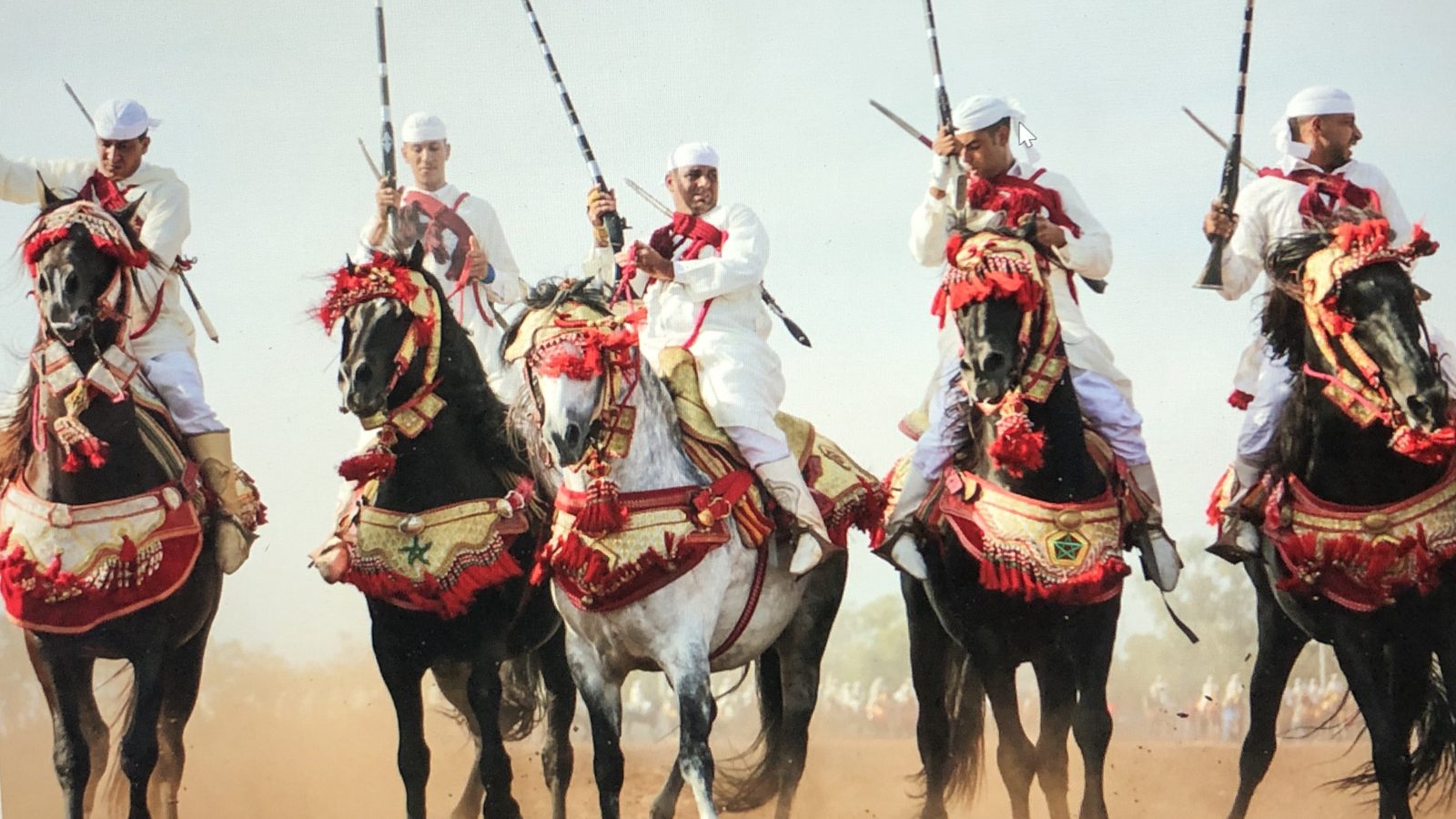
A troupe is called a sorba. It usually counts between ten and twenty-five riders, all from the same region or family network, dressed alike. In the middle rides the mokaddem, the leader, who sets the pace and gives the signal to fire.
Each passage follows the same pattern:
- The salute. The sorba walks or trots to the start of the track, the mahrak, and the riders greet the spectators and the officials, spinning and presenting their rifles.
- The launch. At the mokaddem's call the horses break into a gallop over roughly two hundred metres, the line as straight as possible.
- The shot. At the leader's cry, all the riders fire together. The judges — and the crowd — listen for one single detonation and watch for a perfectly aligned line.
The muskets fire blank charges of black powder. The whole run lasts less than a minute, then the next sorba comes out. A full afternoon at a moussem can see dozens of passages. Our guide to tbourida explained: sorba, mokaddem and horses goes into the details and the vocabulary.
Horses, saddles and costumes
The horses are mostly Barb and Arab-Barb horses, a hardy North African breed with a strong neck and great stamina — read more in our guide to the Barb horse. They wear high, richly embroidered saddles, chest pieces and bridles decorated with silver thread and tassels, often in the colours of the troupe.
The riders wear a white jellaba or selham, a turban, a dagger on a cord across the chest and the mkahla, the long musket inlaid with silver or mother-of-pearl. Much of this equipment is handmade and passed down through families; a full set for one horse represents a small fortune.
Where and when to see a Moroccan fantasia
Most fantasias take place at moussems, the festivals held around the shrine of a local saint, mainly from late spring to autumn, after the harvest. Some highlights for 2026–2027:
| When | Event | Where |
|---|---|---|
| 22–25 Oct 2026 | Moussem of Sidi El Mokhtar | Chichaoua province, on the Marrakech–Essaouira road |
| 30 Oct – 3 Nov 2026 | Moussem of Tan-Tan | Tan-Tan, in the far south |
| Usually August | Moussem of Moulay Abdellah Amghar | Near El Jadida, the biggest tbourida gathering |
| Usually October | Salon du Cheval | El Jadida |
| All year | Fantasia dinner shows | Outskirts of Marrakech |
Our moussem calendar for 2026–2027 is updated with the dates as they are announced, and our guide to where to see a fantasia in Morocco compares the options, from village moussems to the fantasia dinner shows of Marrakech.
Tips for spectators
- Come in the afternoon. The best passages often happen from mid-afternoon until sunset, when the light is golden.
- Respect the barriers. A galloping line of horses is fast and powerful; stay behind the ropes and keep children close.
- Protect your ears. The shots are loud, especially near the end of the track. Small children may prefer to watch from further back.
- Dress for dust and sun. Closed shoes, a hat, sunglasses and a scarf for the dust.
- Bring small change. Moussems come with a fair: tea tents, grilled meat, toys and crafts.
- Ask before photographing people. Riders are usually proud to pose; families in the stands may not want to be photographed. See our tips on how to photograph a fantasia.
How to get to a fantasia from Essaouira or Marrakech
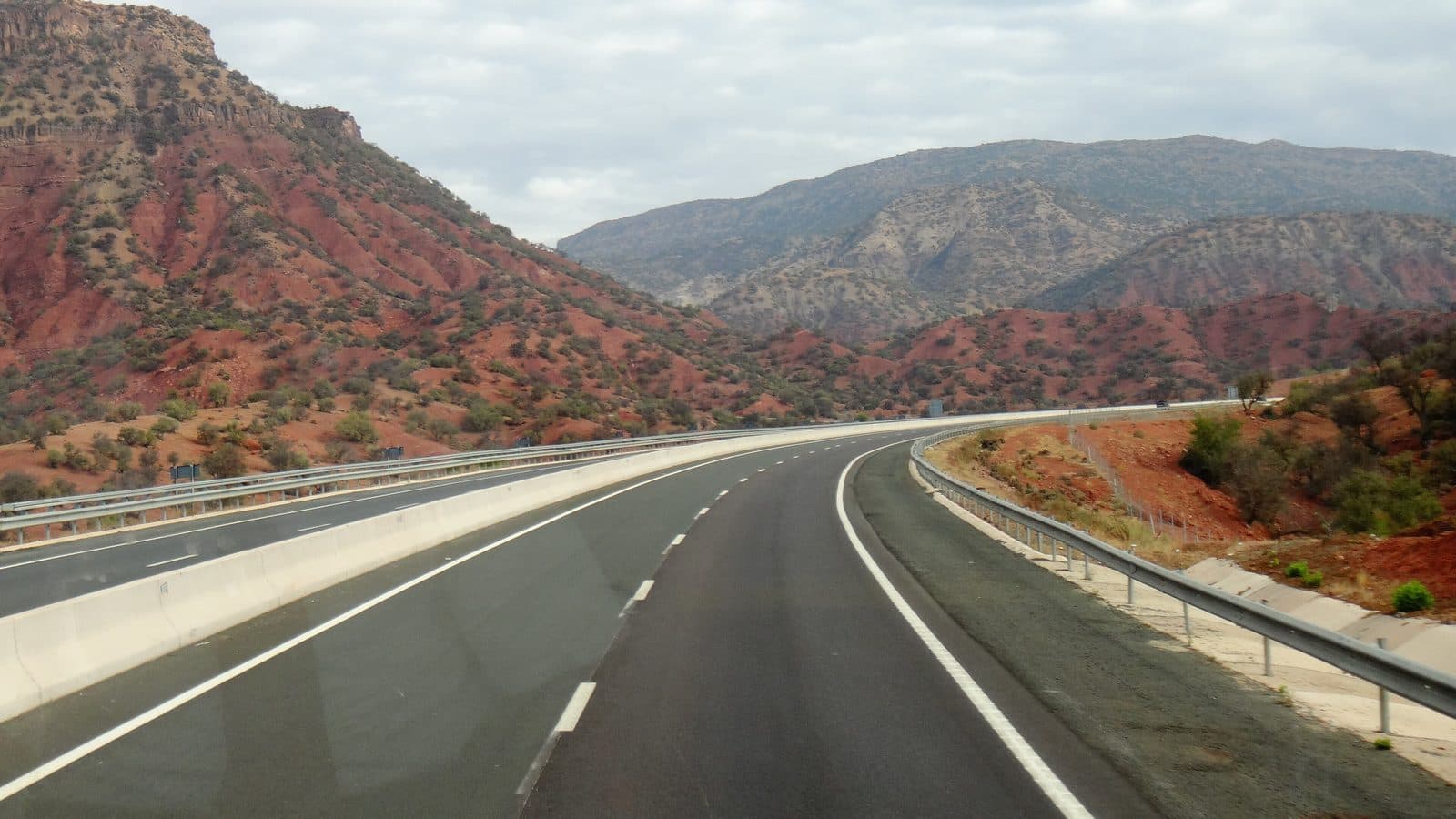
Moussems — and therefore most Moroccan fantasia shows — happen in rural areas, often several kilometres from the nearest town, and the best moment comes at the end of the day — exactly when public transport stops. A private driver who waits for you is by far the easiest way.
- Sidi El Mokhtar lies on the road between Marrakech and Essaouira. You can add a stop to our Marrakech to Essaouira transfer (about 2 h 30 without stops, from €90 per vehicle) or to the return trip to Marrakech. Details in our guide to Sidi El Mokhtar from Essaouira and Marrakech.
- From Essaouira, a custom day with a driver works like our full-day private excursion: you choose the timing, the driver waits and brings you back after sunset.
- Arriving by plane? The Essaouira airport transfer takes about twenty minutes, from €20 per vehicle.
Prices are per vehicle, not per person, at the time of writing. For a moussem day, contact us with the date and the number of passengers and we will send a quote.