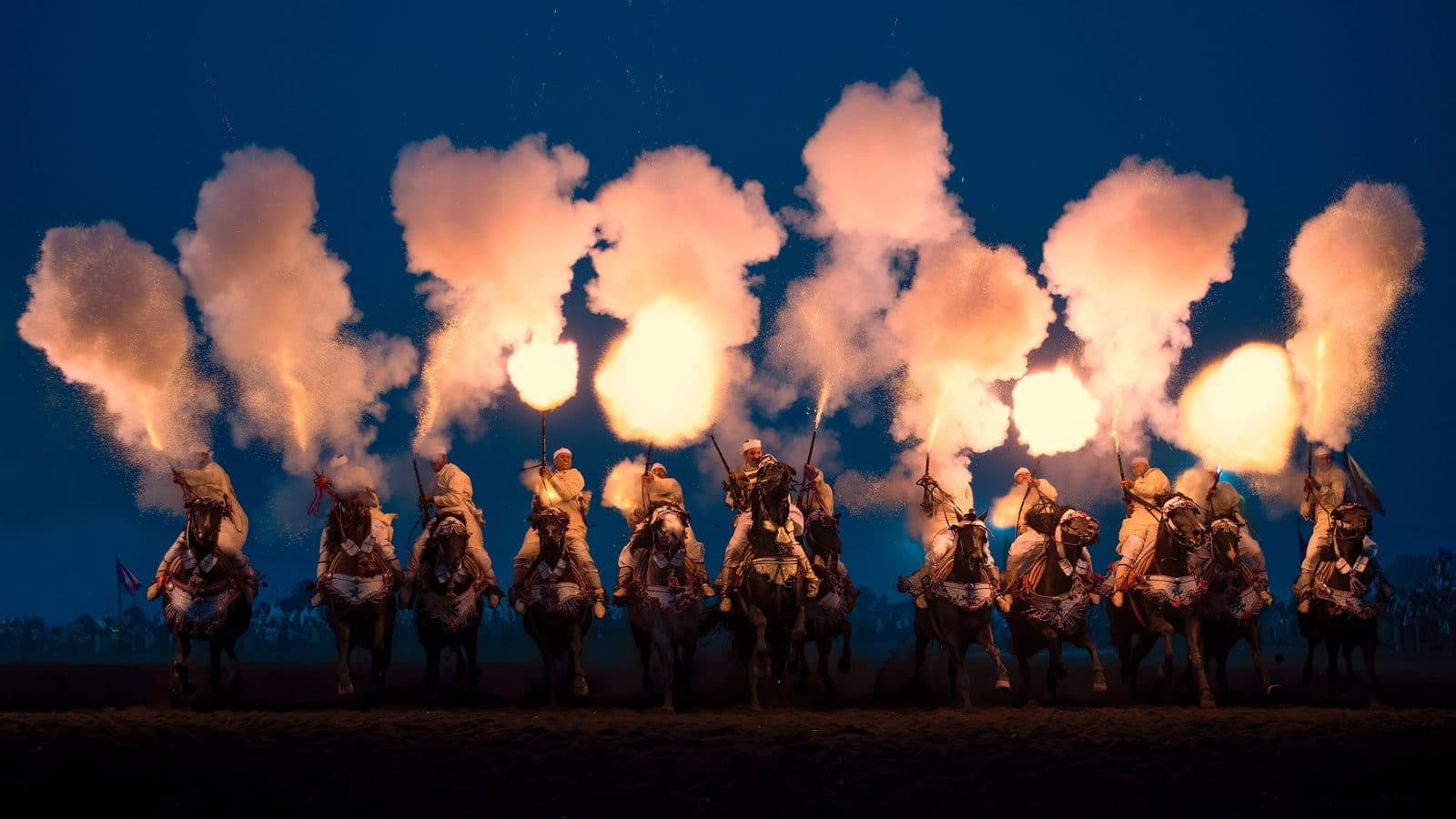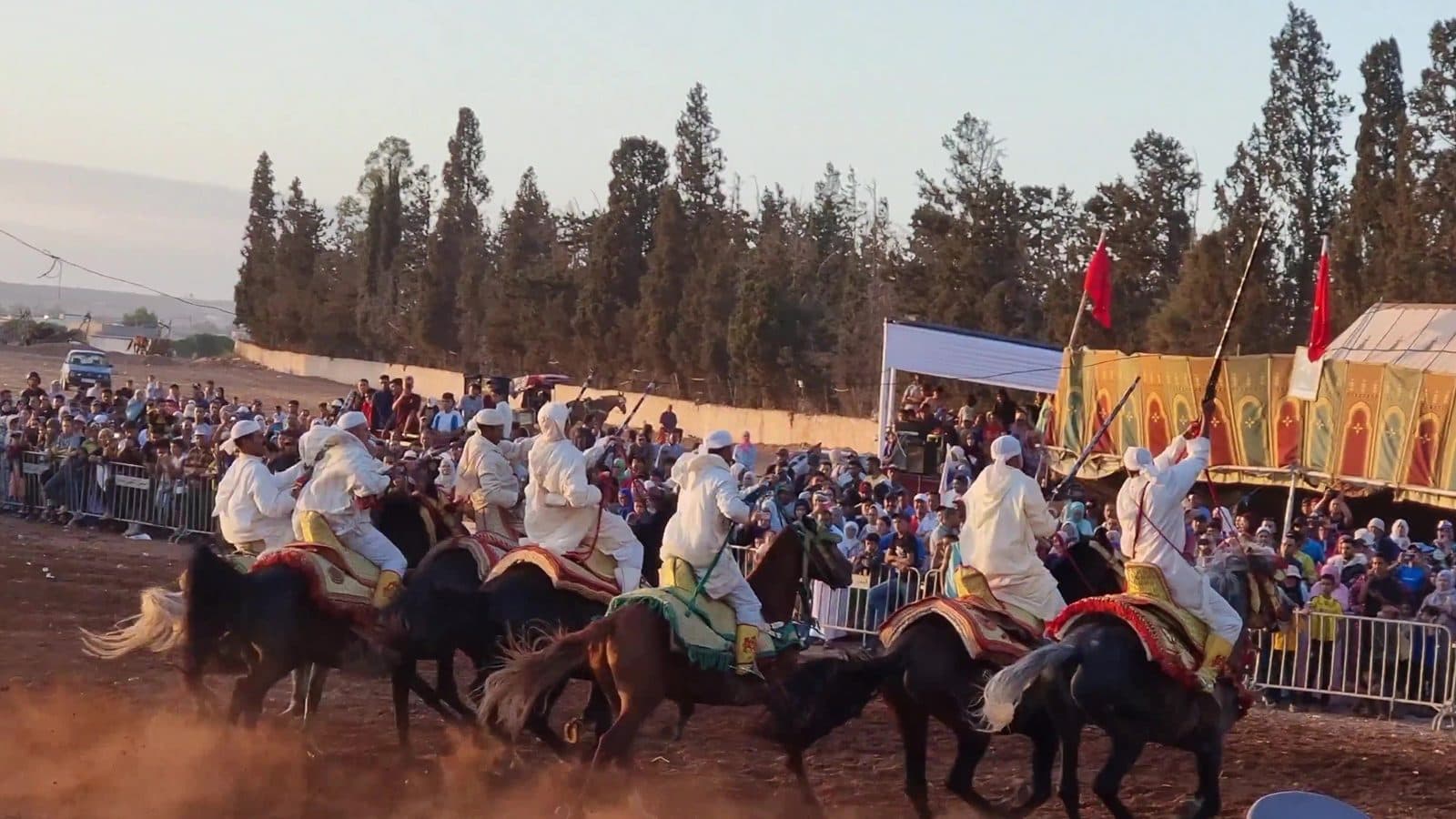
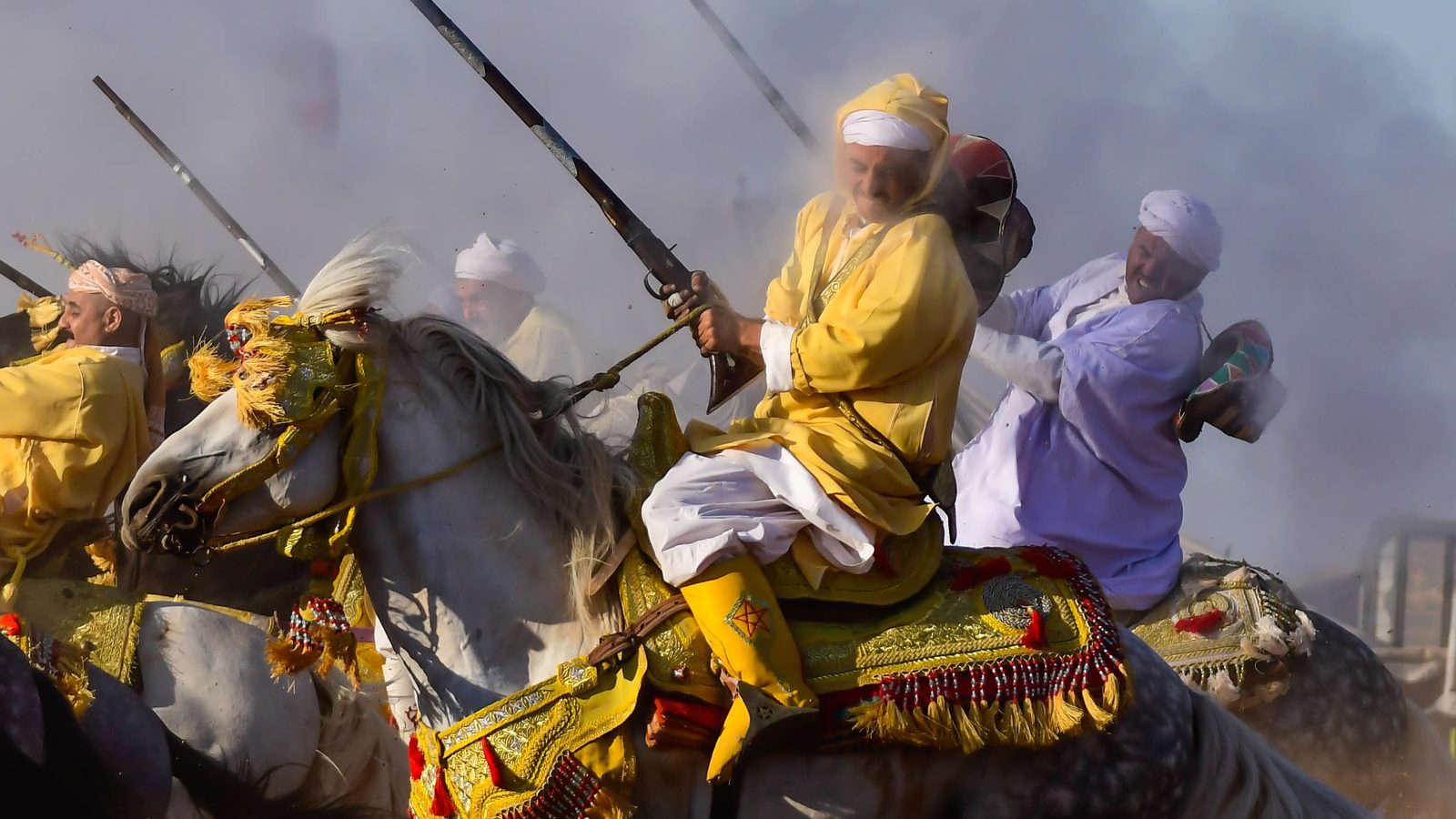
Behind every great tbourida there is a great horse. The riders get the applause, but it is the horse that has to accelerate from a standing start, gallop shoulder to shoulder with a dozen others and stay calm while muskets go off a few centimetres from its ears. In Morocco, that horse is almost always a Barb horse or its cousin, the Arab-Barb.
This guide explains where the breed comes from, how to recognise it at a moussem and where to see the finest horses in the country — or ride one yourself on the beaches near Essaouira.
The Barb horse: an ancient North African breed
The Barb — barbe in French, from "Berber" — is one of the oldest horse breeds of North Africa, bred for centuries from Morocco to Libya. It was the mount of the region's cavalry, and it travelled: horses from the Maghreb crossed into Spain and contributed to several European and American breeds.
What made it famous is its character:
- endurance — able to cover long distances on little water and food;
- acceleration and agility over short distances, perfect for a charge;
- a calm temperament, essential when a whole line fires at once.
The Arab-Barb, the horse you will see most
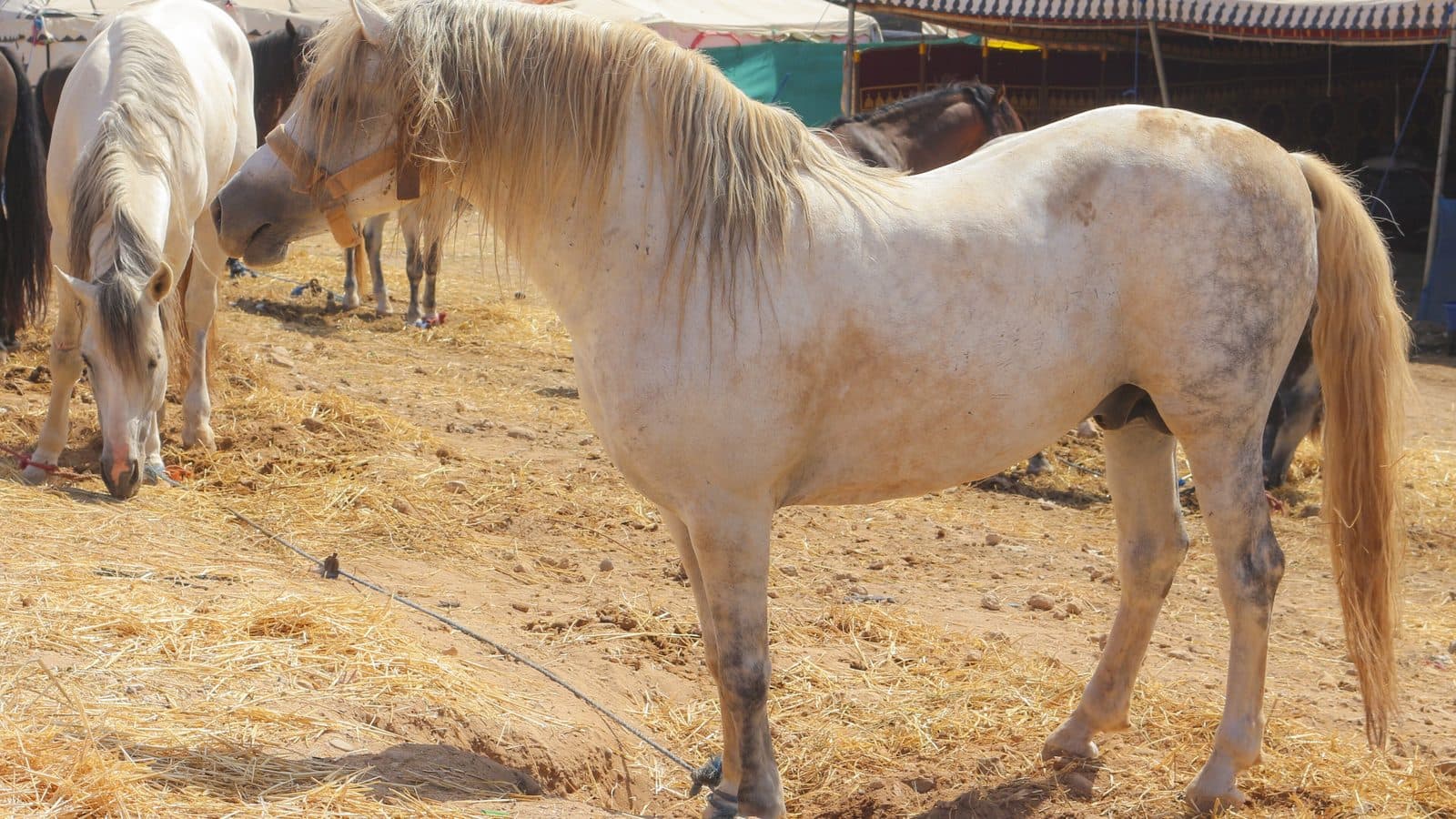
Over the centuries, Barbs were crossed with Arabian horses. The result, the Arab-Barb (arabe-barbe), is today the most widespread horse in Morocco and the most common in tbourida troupes. It keeps the toughness of the Barb with a little more refinement from the Arabian. Pure-bred Barb horses are prized and carefully registered.
How to recognise a Barb horse
At a moussem, look for:
- a medium size, compact and well muscled;
- a slightly convex profile, the "ram's head" typical of the breed;
- a strong, arched neck and a sloping croup with a low-set tail;
- dry, solid legs and hard hooves;
- coats in grey, bay, chestnut or black — grey horses are especially popular in tbourida.
Do not hesitate to ask a rider about his horse after his passage: most are proud to tell you its age, its lineage and how many moussems it has run.
Horses in Moroccan life
Morocco has a strong state-backed horse culture. National stud farms breed and register horses, and royal institutions promote equestrian sports, from show jumping and racing to tbourida. The most prestigious tbourida competition, the Hassan II Trophy, ends each year with a final at Dar Es-Salam in Rabat — the 25th edition was held in June 2026. Read tbourida explained to understand how the troupes are judged.
A horse's day at a moussem
Spend time near the horse lines at a moussem and you will see how much care goes into each animal. Horses arrive by trailer or on foot from nearby villages, often a day early, so they can rest and get used to the noise. Before each passage they are groomed, their manes combed and their saddles fitted layer by layer; afterwards they are walked to cool down and watered in the shade. Riders rarely ask a horse for more than a few passages a day. A calm, experienced Barb horse is worth a great deal to a troupe — which is why owners are so proud to talk about them.
The Salon du Cheval in El Jadida
Every autumn, the coastal city of El Jadida hosts the Salon du Cheval, Morocco's biggest horse show. The 17th edition ran from 13 to 18 October 2026 at the Mohammed VI exhibition park, around the theme "the horse in the service of humanity". The programme combines:
- breeders' stands and exhibitions of Barb, Arab-Barb and Arabian horses;
- international show jumping at a high level;
- the King Mohammed VI Grand Prix of tbourida, with some of the best troupes in the country;
- horse equipment, saddlery and crafts.
The Doukkala region around El Jadida is also the home of the biggest tbourida gathering of the year, the Moussem of Moulay Abdellah Amghar, every August.
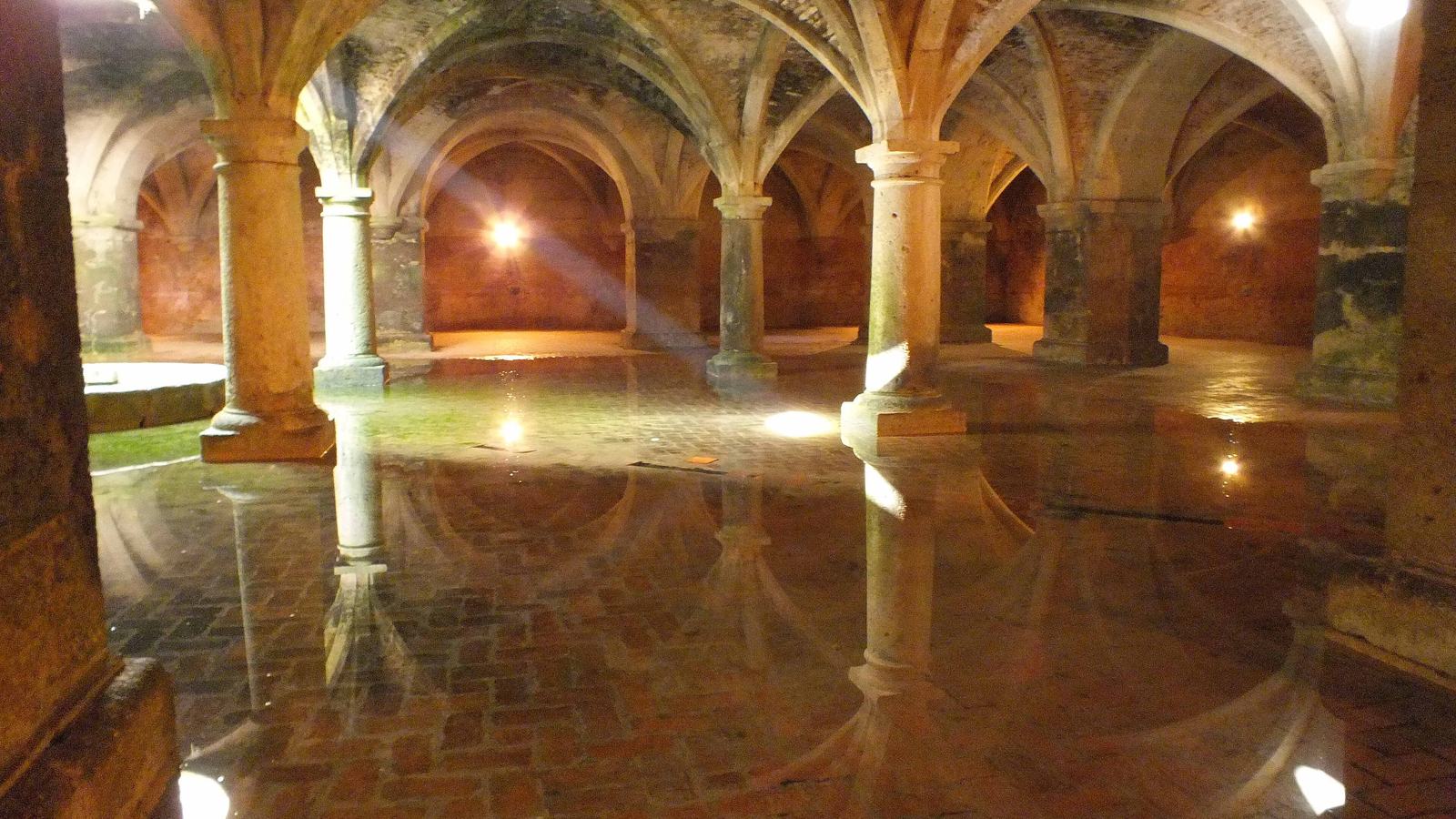
While you are there, visit the Portuguese City of Mazagan, a UNESCO World Heritage site, and its famous underground cistern.
Getting to El Jadida from Essaouira or Marrakech
- From Essaouira, the coast road heads north via Safi and Oualidia. Our Essaouira to Oualidia transfer takes about two hours (from €120 per vehicle at the time of writing); El Jadida is about an hour further and available on request. If you are flying home from Casablanca, our Essaouira to Casablanca airport transfer can take the coastal route and stop in El Jadida — see Essaouira to Casablanca: the fast route and the coastal route.
- From Marrakech, count about two and a half to three hours; our Marrakech to Casablanca airport transfer can be adapted for a stop.
Ride a horse yourself near Essaouira
You do not have to be a tbourida rider to enjoy Moroccan horses. Around Essaouira, stables offer rides on the long beach, through the dunes towards Diabat and in the argan countryside, for beginners and experienced riders. Our guide to horse riding in Essaouira explains how it works, and our half-day excursion along the argan route passes by the same landscapes. To see the Barb horse in action, nothing beats a fantasia — start with our complete guide to the Moroccan fantasia, or contact us to plan the trip.