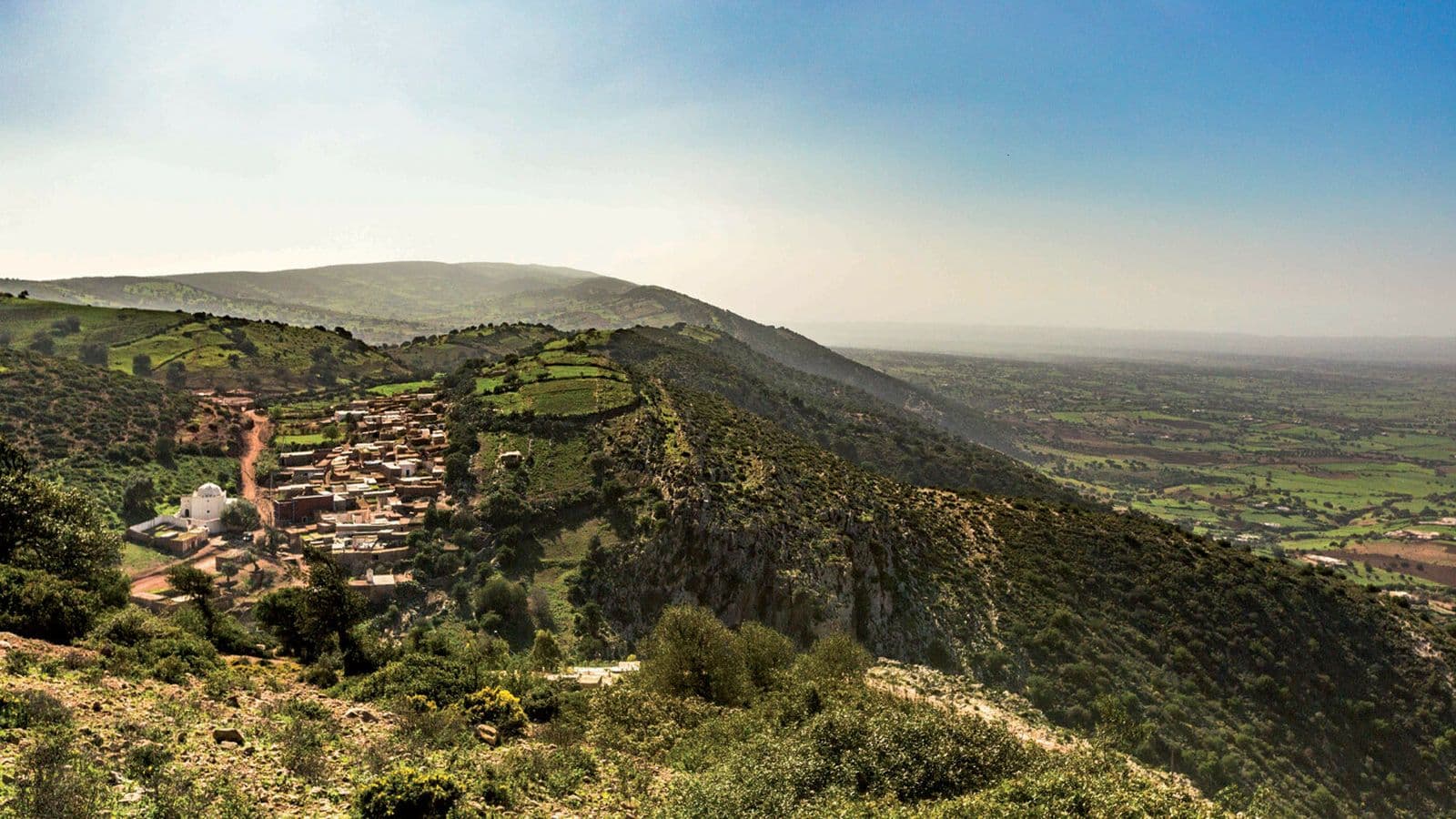
Every spring, while Essaouira gets ready for its festival season, the countryside north of the city follows a much older calendar. The Moussem Regraga — known locally as the daour, "the round" — is a pilgrimage of about forty days during which the Regraga brotherhood walks from shrine to shrine across the Chiadma, the land of argan trees, wheat fields and white domes between Essaouira and Safi. It is a religious, cultural and popular event at once, and in 2026 it ran from 2 April to 10 May.
This guide explains what the Moussem Regraga is, what happened in 2026, what to expect in spring 2027 and how to plan a respectful trip to see it — with a private driver who can take you to the right village on the right day.
What is the Moussem Regraga?
The Regraga are a Sufi brotherhood of the Chiadma and Haha countryside, organised in thirteen rural zawiyas. Their tradition traces them back to seven saints, presented as the ancestors of the Regraga, whose shrines dot the region. Our in-depth article on the Regraga pilgrimage and its legend tells their story in detail.
The moussem itself stands out in three ways:
- It moves. Most moussems in Morocco gather around a single shrine. The daour is a circular pilgrimage of up to 44 stages, one a day, over almost 460 km, linking the shrines of the saints across the Chiadma.
- It follows the seasons. Unlike most religious dates in Morocco, it is tied to spring rather than to the lunar calendar. Tradition places the start around the spring equinox, but in practice the date is set each year: the daour began on 20 May in 2022 and on 2 April in 2026.
- It is sober. This brotherhood has no music, ecstatic dance or trance. The heart of the daour is baraka, the blessing the Regraga are believed to carry from their ancestors, which villagers seek through prayer for their families, fields and herds. Offerings of food, lodging or money are shared out every day between the zawiyas and the pilgrims.
Around each stage, a small souk and festivities often spring up. That is why the Moussem Regraga is also a great popular gathering, marking the passage from winter to spring in the Chiadma.
The Moussem Regraga in 2026: a look back
The 2026 edition gives a good idea of how the season unfolds:
- 30 March: the representatives and heads of the Regraga zawiyas met at the zawiya of the Naqib, Sidi Mhamed Ben Hmida, to prepare the season.
- Thursday 2 April: the daour set off from the zawiya of Aqermoud, the shrine of Sidi Abdallah ben Ahmed al-Qarmoudi. The official opening took place there the next day, in the presence of the governor of Essaouira province, together with a scholarly seminar.
- 24–26 April: Essaouira hosted the second "Printemps des Regraga" forum, after a first edition in April 2025. Its theme: the daour's role, from spiritual and heritage value to integrated territorial development.
- 10 May: end of the season.
The forum's recommendations show where the moussem is heading. Participants called for the daour of the Regraga zawiyas to be inscribed on UNESCO's list of intangible cultural heritage, and proposed cultural tourism trails along its route, interpretation centres and a digital archive of manuscripts and documents. In other words, the Chiadma is preparing to welcome more visitors who want to understand this heritage — respectfully.
Moussem Regraga 2027: when to go
The date of the 2027 daour has not been announced yet; it is fixed each year shortly before the start. Judging by recent years, plan for a window between late March and May 2027, and keep your plans flexible by a few days. As soon as the dates are known, we can tell you where the pilgrims are expected — just send us a message.
Spring is also a lovely season in Essaouira itself: the countryside is green, the medina is lively without being crowded, and spring concerts return — see our guide to the Printemps Musical des Alizés 2027 and our advice on the best time to visit Essaouira.
Where to see the Moussem Regraga
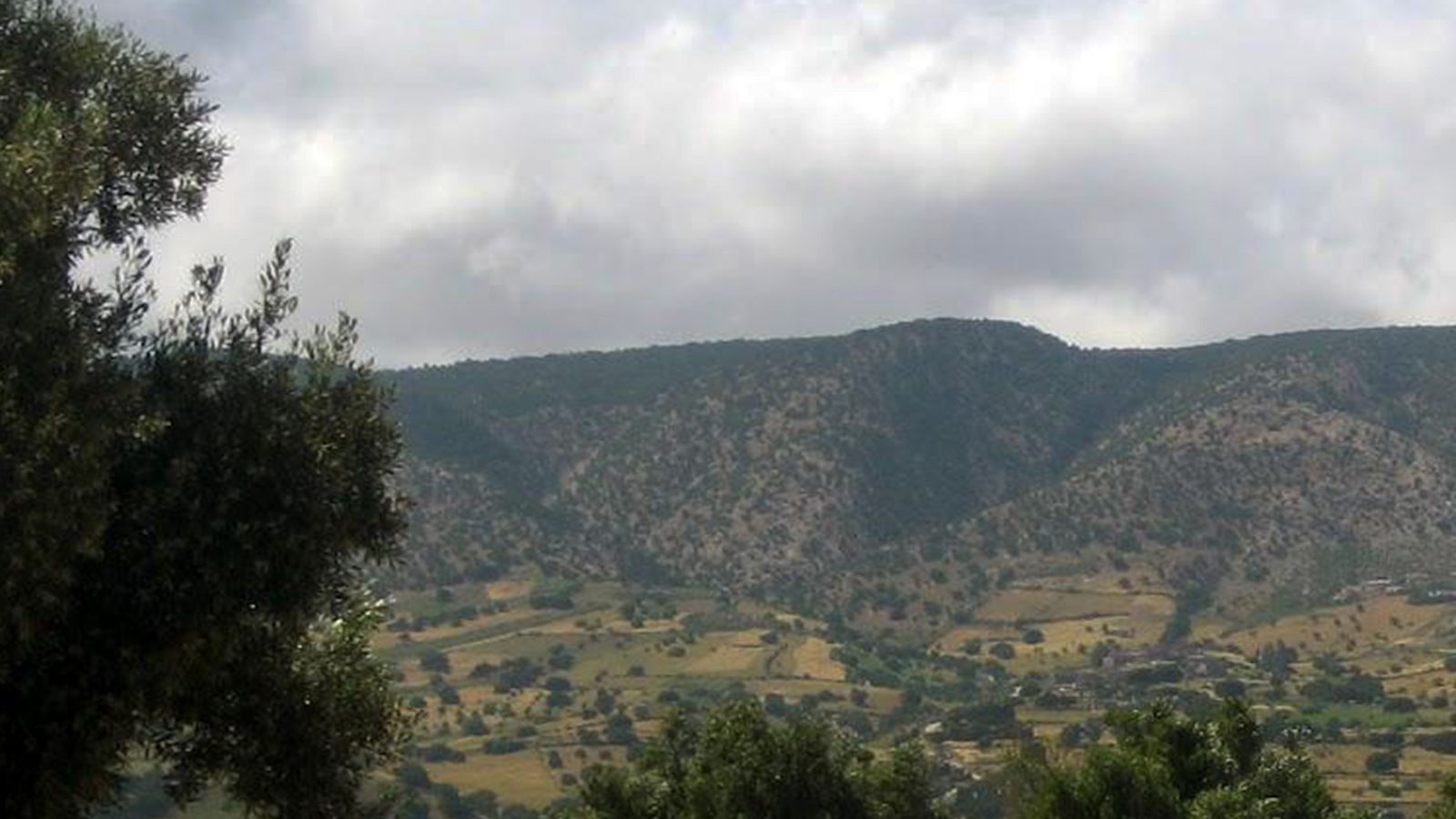
Because the daour changes village every day, there is no single venue. The pilgrimage unfolds in two main phases: the first in the heart of the coastal plain of the Chiadma, the second east of Jbel Lahdid, the "iron mountain" north of Essaouira from which, in the sixteenth century, the Regraga led raids against the Portuguese. The zawiya of Sidi Mhamed Ben Hmida, the departure point in 2022, lies about 60 km from Essaouira.
The best way to find the pilgrims is to ask locally on the day: your riad, shopkeepers in the medina and our drivers can usually find out which village is hosting the stage. By car, you can reach it in the morning and be back in Essaouira for dinner.
Experiencing the moussem respectfully
The Moussem Regraga is a religious pilgrimage, not a show put on for visitors. A few simple rules make all the difference:
- Dress modestly and keep your voice down near prayers and ceremonies.
- Do not enter a shrine unless you are clearly invited.
- Ask before photographing people, and accept a refusal with a smile.
- Accept hospitality if a glass of tea is offered, and say shukran.
- Enjoy the souk: the stalls around the stages are the most relaxed place to meet people. Our guide to what a moussem is explains the customs.
A 4-day spring trip around the Moussem Regraga
- Day 1 — Marrakech to Essaouira. Private transfer in about 2 h 30, check-in at your riad, sunset on the ramparts.
- Day 2 — Following the daour. A full day with a private driver to the village hosting the day's stage, with stops in the argan country and a return along the coast via Moulay Bouzerktoun.
- Day 3 — Argan route and medina. Half a day at a women's argan cooperative and the ruins of Diabat, then the souks and the port in the afternoon.
- Day 4 — Onward. Back to Marrakech, or north to the lagoon of Oualidia — read our Oualidia guide.
Plan your Moussem Regraga trip with Rouasse Travels
The Chiadma is a rural region with little public transport between villages, so a private vehicle is by far the easiest way to follow the Moussem Regraga. Rouasse Travels runs private transfers and excursions from Marrakech and Essaouira at fixed prices per vehicle, not per person, with a professional driver, air conditioning and bottled water.
| Service | Duration | 1–3 passengers | 4–7 passengers | 8–17 passengers |
|---|---|---|---|---|
| Marrakech → Essaouira transfer | 2 h 30 | €90 | €120 | €170 |
| Essaouira airport → medina | about 20 min | €20 | €25 | €50 |
| Full-day private excursion | 8 h | €120 | €140 | €180 |
| Half-day excursion: argan route & Diabat | 4 h | €80 | €120 | €140 |
Prices at the time of writing.
- Full-day excursion to follow the daour: 8 hours at your disposal, so your driver can head for the village hosting the stage, wait while you spend time at the souk, and add stops at an argan cooperative or a weekly market on the way back.
- Half-day excursion: ideal if the stage is close to Essaouira, or to combine the moussem with Diabat and the Oued Ksob estuary.
- Transfers: from Marrakech (riad or airport) or Essaouira-Mogador airport, with a name sign, flight tracking and 60 minutes of free waiting at the airport. To continue north, our Essaouira to Oualidia transfer starts at €120 per vehicle.
Ready to go? Book on our booking page or contact us on WhatsApp with your dates and the number of travellers: we confirm within 24 hours, and we will let you know as soon as the Moussem Regraga 2027 dates are announced.