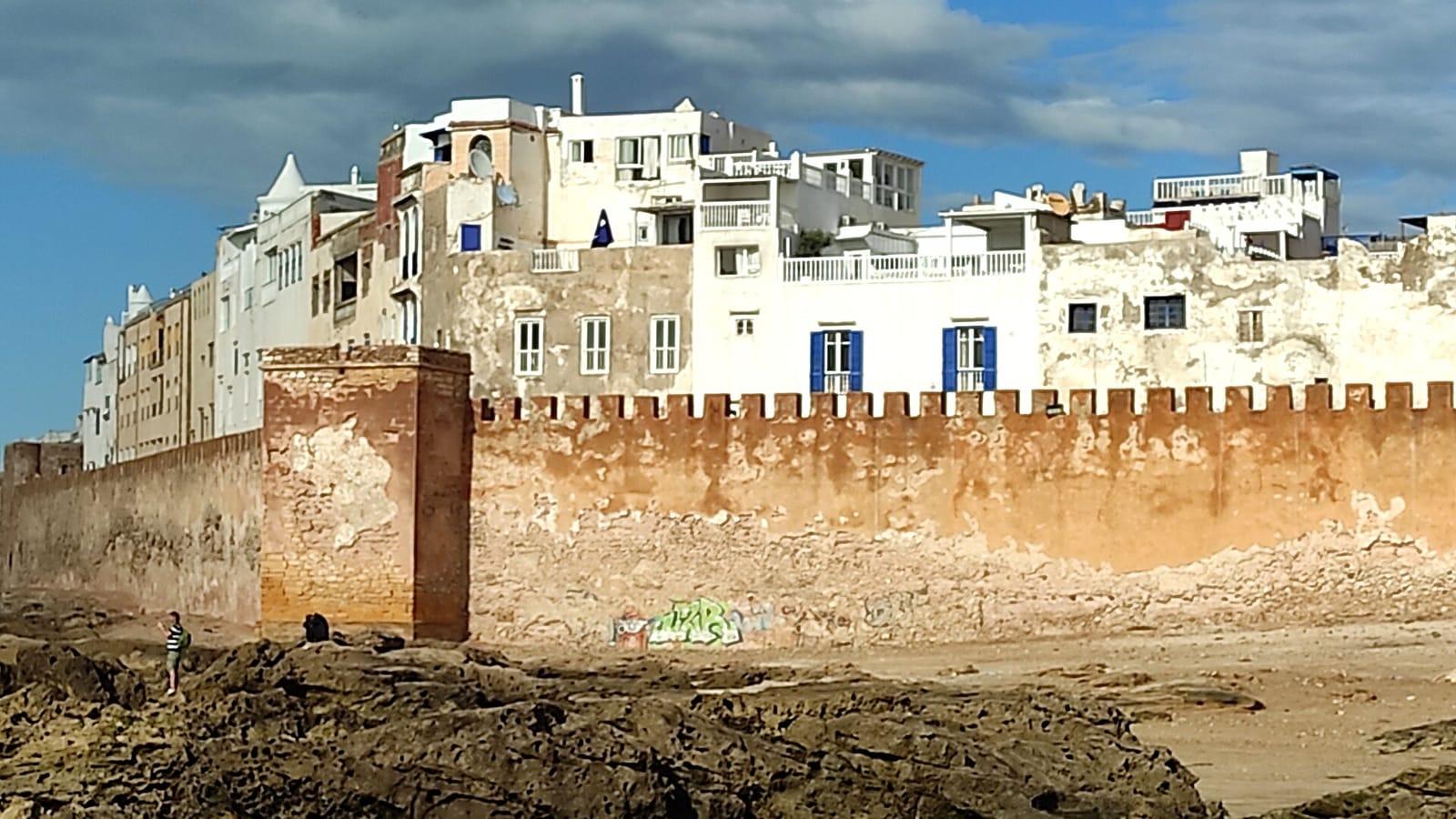
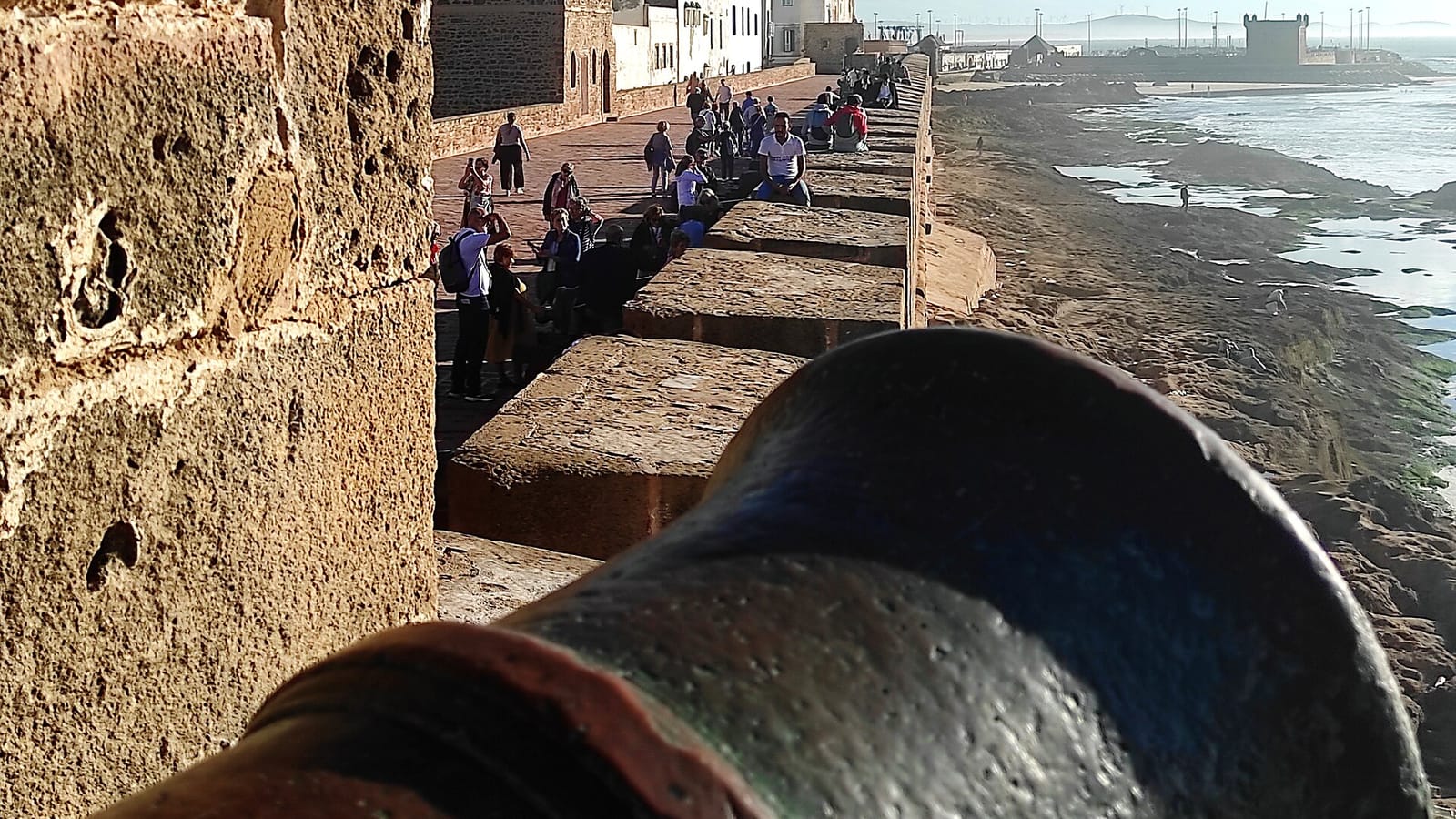
Seen from the rocks at low tide, the medina of Essaouira looks like a ship at anchor: honey-coloured ramparts, bronze cannons pointing at the Atlantic, white houses with blue shutters and the cries of gulls above the port. In 2001, UNESCO inscribed the "Medina of Essaouira (formerly Mogador)" on the World Heritage List. This guide explains why — and how to discover this living heritage with the eyes of someone who knows its story.
A town drawn on paper: the birth of Mogador
The coast here had been visited for millennia — by Phoenician traders on Mogador island, by Roman-era dye makers, by Portuguese sailors who built a fortress in the 16th century. But the town you see today was born in the 1760s, when Sultan Sidi Mohammed ben Abdallah decided to create a royal port open to international trade.
He entrusted part of the design to Théodore Cornut, a French engineer trained in the fortification principles of the time. The result was unusual in Morocco: a planned town with straight main streets, a clear grid and bastions designed for artillery, yet built with Moroccan craftsmen, local stone and the courtyard houses of North African tradition. Its Arabic name, Essaouira (often translated as "the well-drawn one"), echoes that design.
Why UNESCO listed the medina of Essaouira
UNESCO recognised the medina under two criteria. In plain words:
- An exchange of influences. The medina of Essaouira is an outstanding example of European military architecture of the 18th century translated into a North African town — Vauban-style bastions surrounding a Muslim city.
- An exceptional fortified seaport. For more than a century it was one of Morocco's main international ports, linking the Saharan caravan routes with Europe and the Americas. Ostrich feathers, gum arabic, almonds, goatskins and argan left from here; tea, sugar and cotton cloth arrived.
The town also became a meeting place of cultures: Muslim, Jewish and European merchants, consulates and craftsmen lived side by side, a diversity still visible in its streets.
What to look for inside the walls
- The Skala de la Ville — the sea bastion with its row of cannons, the best spot for sunset. Beneath it, the vaulted workshops of the thuya woodworkers.
- The Skala du Port — the fortified harbour bastion overlooking the blue fishing boats.
- The Kasbah — the former government quarter near the port, where officials, consuls and the sultan's merchants once lived.
- The gates — Bab Marrakech, Bab Doukkala, Bab Sbaâ and the monumental sea gate, Bab el-Marsa. Our guide to the medina gates explains where drivers can drop you.
- The mellah — the former Jewish quarter, with its synagogues and the House of Memory; read about the Jewish heritage of Essaouira and Bayt Dakira.
- The souks — spices, jewellery, leather and thuya marquetry along the main arteries.
For a step-by-step itinerary, follow our medina and ramparts walking guide.
A living heritage, not a museum
What makes the medina of Essaouira so endearing is that people still live, work and pray here. Fishermen mend nets at dawn, children play football in the squares, craftsmen polish thuya in workshops older than many European towns.
Essaouira's heritage is also intangible. Gnawa music, central to the town's identity, was inscribed by UNESCO as intangible cultural heritage in 2019 — the same year Essaouira joined the UNESCO Creative Cities Network as a City of Music. Around the town, the argan forest is a UNESCO biosphere reserve (1998) and the know-how of the argan tree is listed as intangible heritage (2014). Few places in Morocco gather so many UNESCO recognitions within a few kilometres — read the full list in our guide to UNESCO World Heritage sites in Morocco.
Older than the medina: a region of deep history
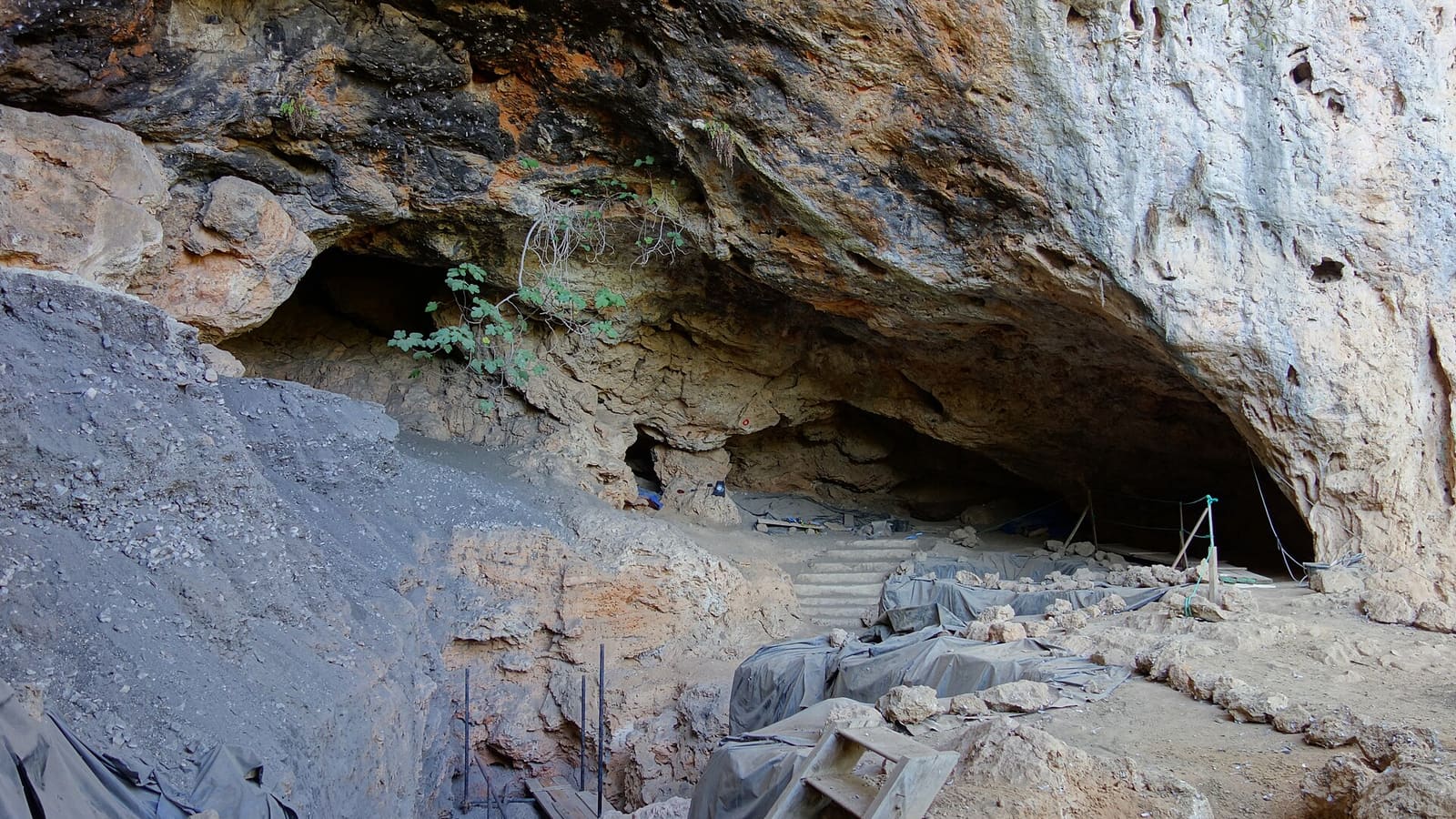
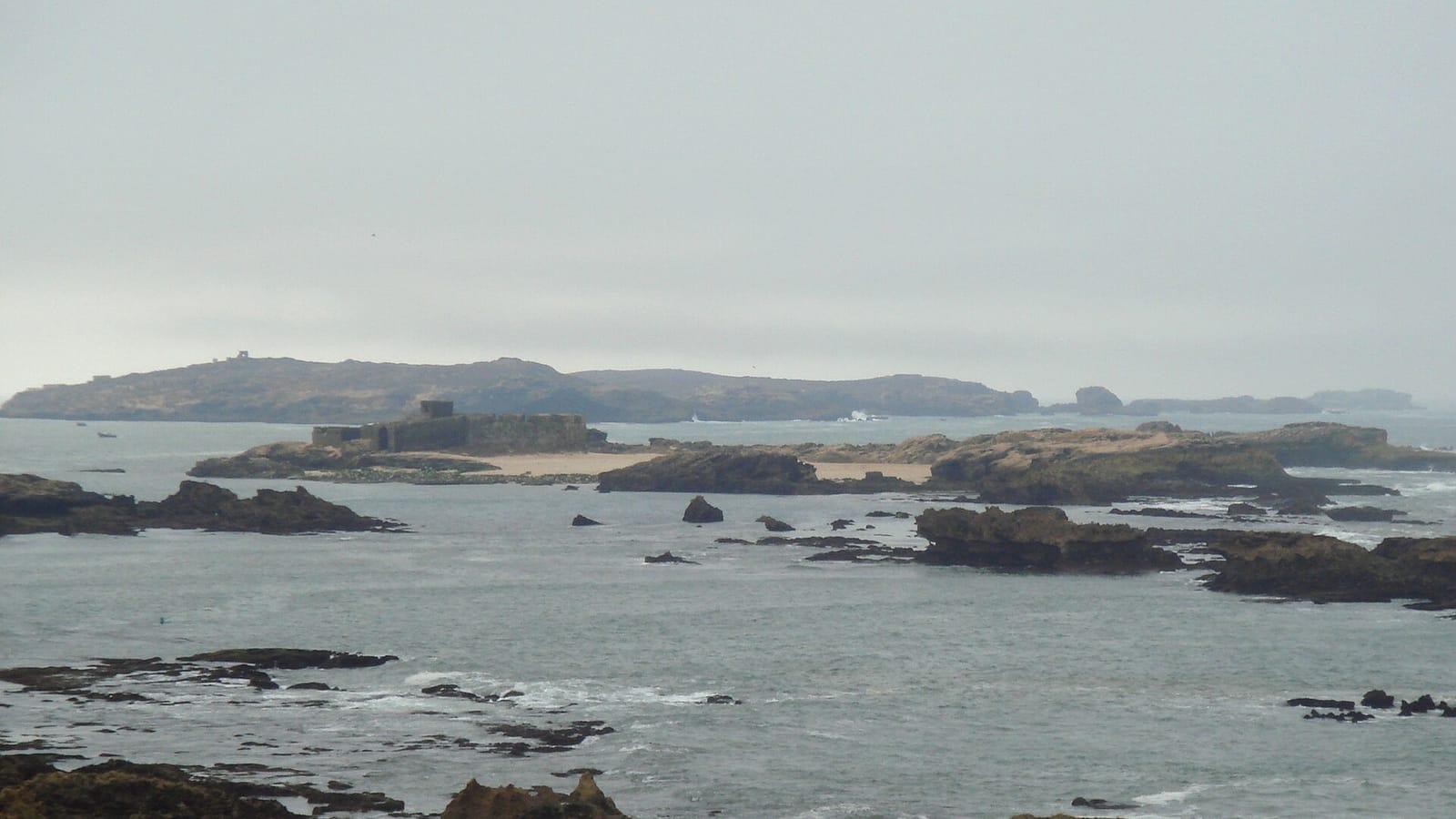
The ramparts are only the latest chapter. Fifteen kilometres inland, the Bizmoune cave has yielded shell beads more than 142,000 years old — the oldest known in the world. Offshore, the island of Mogador preserves traces of a Phoenician trading post of the 7th century BC and of the purple-dye workshops of King Juba II. Discover the whole story in our overview of archaeology in Morocco.
How to visit the medina of Essaouira well
- Come early or late. Mornings belong to the port and the markets; the golden hour belongs to the Skala.
- Walk, don't drive. Cars stay outside the walls; luggage trolleys and porters wait at the main gates.
- Hire a licensed guide for history and hidden corners, or let children lead a treasure hunt through the medina.
- Meet the makers in a thuya wood workshop or a Gnawa music workshop.
- Respect the residents: ask before photographing people and keep voices down in residential lanes at night.
- Travel lightly: our tips for sustainable tourism in Essaouira help protect what you came to see.
Getting to Essaouira
Essaouira-Mogador airport is about 20 minutes away with an airport transfer. From Marrakech, a private transfer to Essaouira takes about 2 h 30, and from Casablanca about 4 hours with an Essaouira–Casablanca transfer. Short on time? The Essaouira half-day excursion adds the argan route and Diabat, while the Essaouira & Atlantic coast circuit gives you three days between medina, beaches and countryside.
Want to explore Morocco's heritage beyond the ramparts? Contact us: we will build the transport for your route, from Mogador to the Roman city of Volubilis.