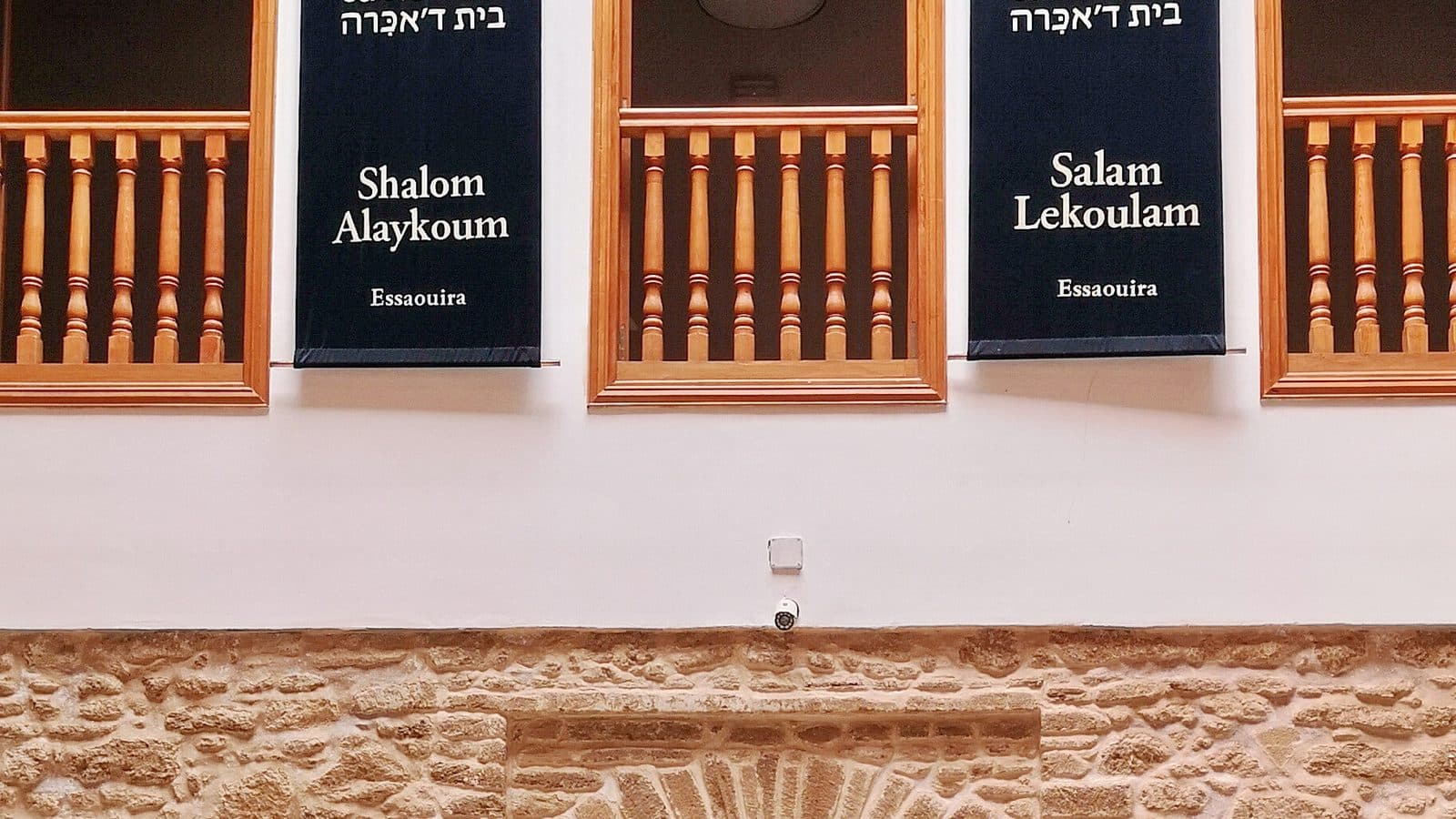
Above the courtyard of a restored house in Essaouira's mellah, two black banners hang side by side: Shalom Alaykoum and Salam Lekoulam — "peace be upon you" in Hebrew and in Arabic. They sum up what Bayt Dakira, the "house of memory", is about: the story of the Jews of Mogador, told in the town where Jews and Muslims lived side by side for two centuries.
Here is what to see there, why it matters and how to fit it into your stay.
What is Bayt Dakira?
Bayt Dakira is a spiritual and cultural space dedicated to Moroccan Judaism and to its relationship with Islam. It was inaugurated by King Mohammed VI on 15 January 2020, after the restoration of a historic building in the mellah, Essaouira's old Jewish quarter. The project was championed by André Azoulay, an adviser to the King born in Essaouira.
The site brings together three things:
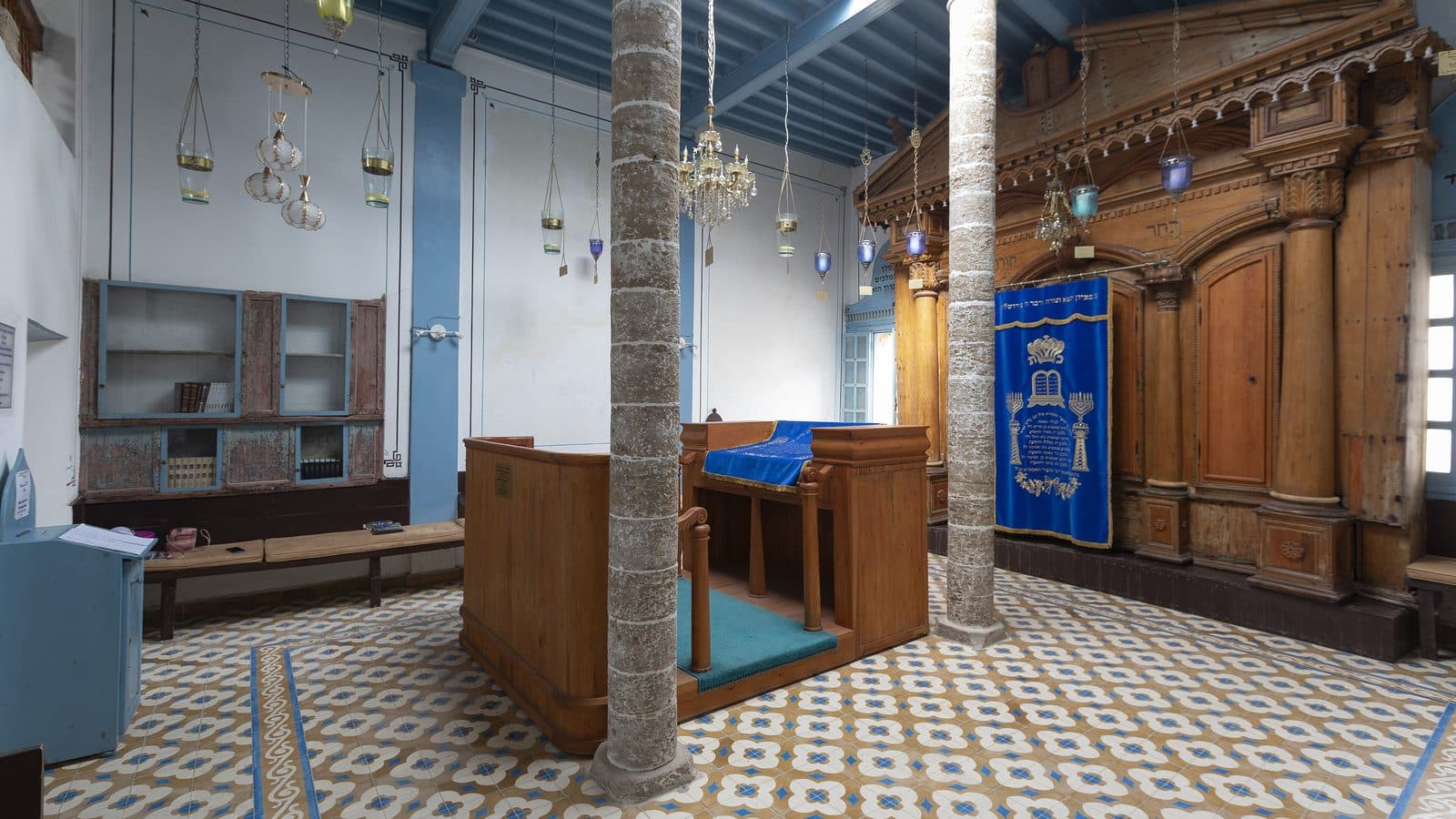
- the restored synagogue, known as Slat Attia or the Simon Attias synagogue;
- the house of memory itself, with exhibitions on the Jewish life of Mogador;
- the Haim and Célia Zafrani International Research Centre, dedicated to the history of relations between Judaism and Islam, named after the Essaouira-born historian Haim Zafrani.
What you will see
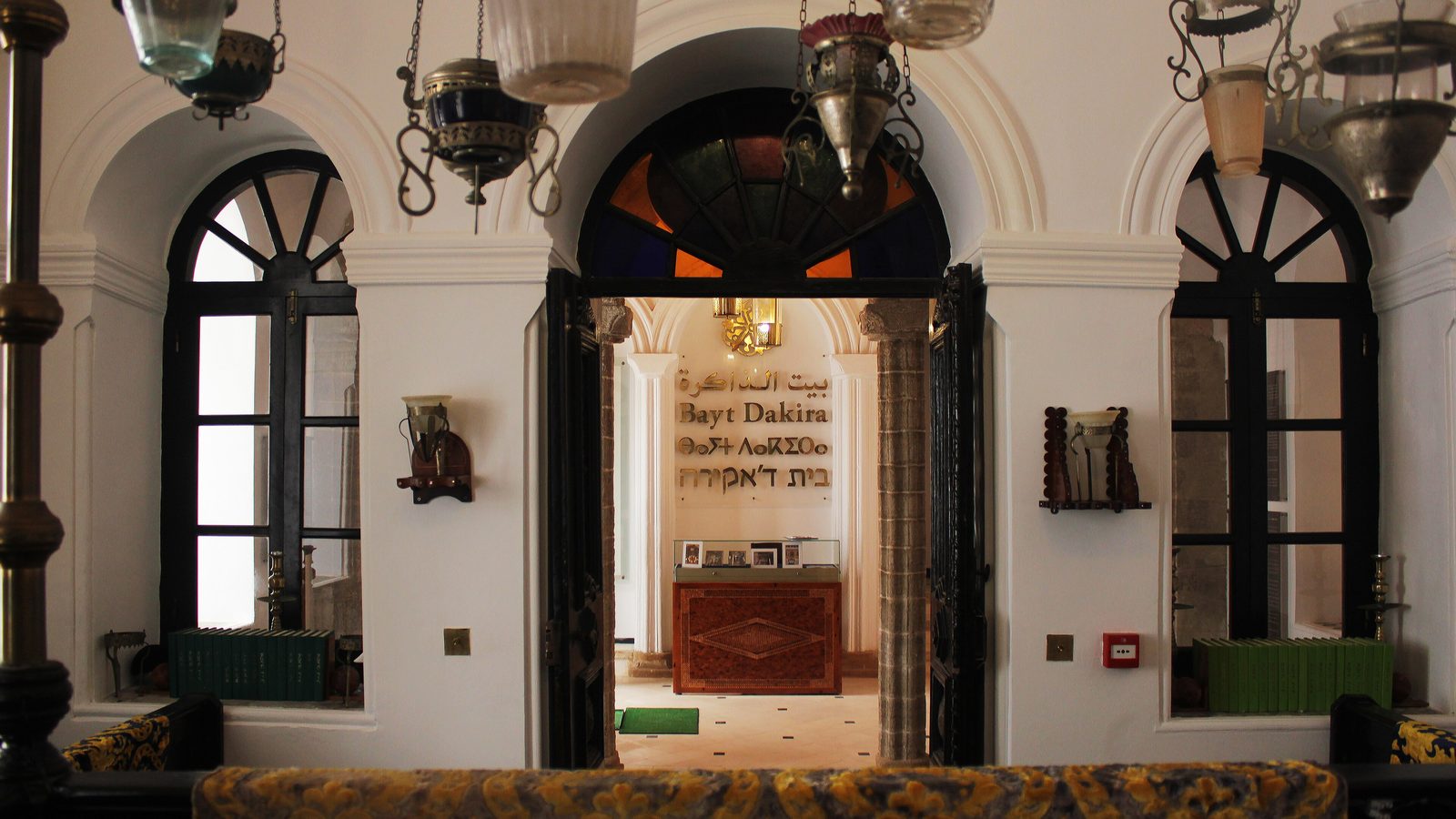
- The synagogue, with its wooden furnishings and its prayer hall, restored to its original appearance.
- Photographs and documents of the Jewish families of Mogador: merchants, rabbis, musicians, craftsmen, weddings and festivals.
- Clothing and everyday objects, which show how close Jewish and Muslim traditions were in daily life.
- The courtyard and its galleries, a beautiful example of a merchant's house of the old town.
The visit is short — count about an hour — but it gives meaning to everything else you will see in the mellah.
The story behind the house of memory
Why Essaouira? Because few Moroccan towns were shaped so deeply by their Jewish community. When the sultan founded Mogador in the 1760s, he invited Jewish merchant families to run its trade with Europe, and in the nineteenth century they made up a very large share of the population. Most left during the twentieth century, but the memory stayed — in the street names, the houses of the mellah, the music and the stories of Muslim neighbours. Morocco's 2011 constitution recognises the Hebrew heritage as one of the components of the national identity, and Bayt Dakira gives that heritage a home in the town where it was most alive.
Around Bayt Dakira
The house of memory sits in the middle of a lively part of the medina. Within a few minutes' walk you will find the sea ramparts of the Skala, galleries and craft shops, small cafés where you can sit with a mint tea, and the lanes of the mellah, where restoration work is bringing old merchants' houses back to life. In the late afternoon, end your visit with the sunset from the ramparts — read our medina and ramparts walking guide.
Bayt Dakira and the Andalousies Atlantiques
Every autumn, during the Festival des Andalousies Atlantiques, Bayt Dakira hosts the festival's morning forums: historians, musicians and writers talk about heritage, exile and coexistence before the afternoon concerts. In 2026 local agendas list the festival from 29 October to 1 November. Arrive early: the room is small and fills quickly. Our Andalousies Atlantiques weekend plan shows how to combine forums, concerts and sightseeing.
Combining your visit with the mellah
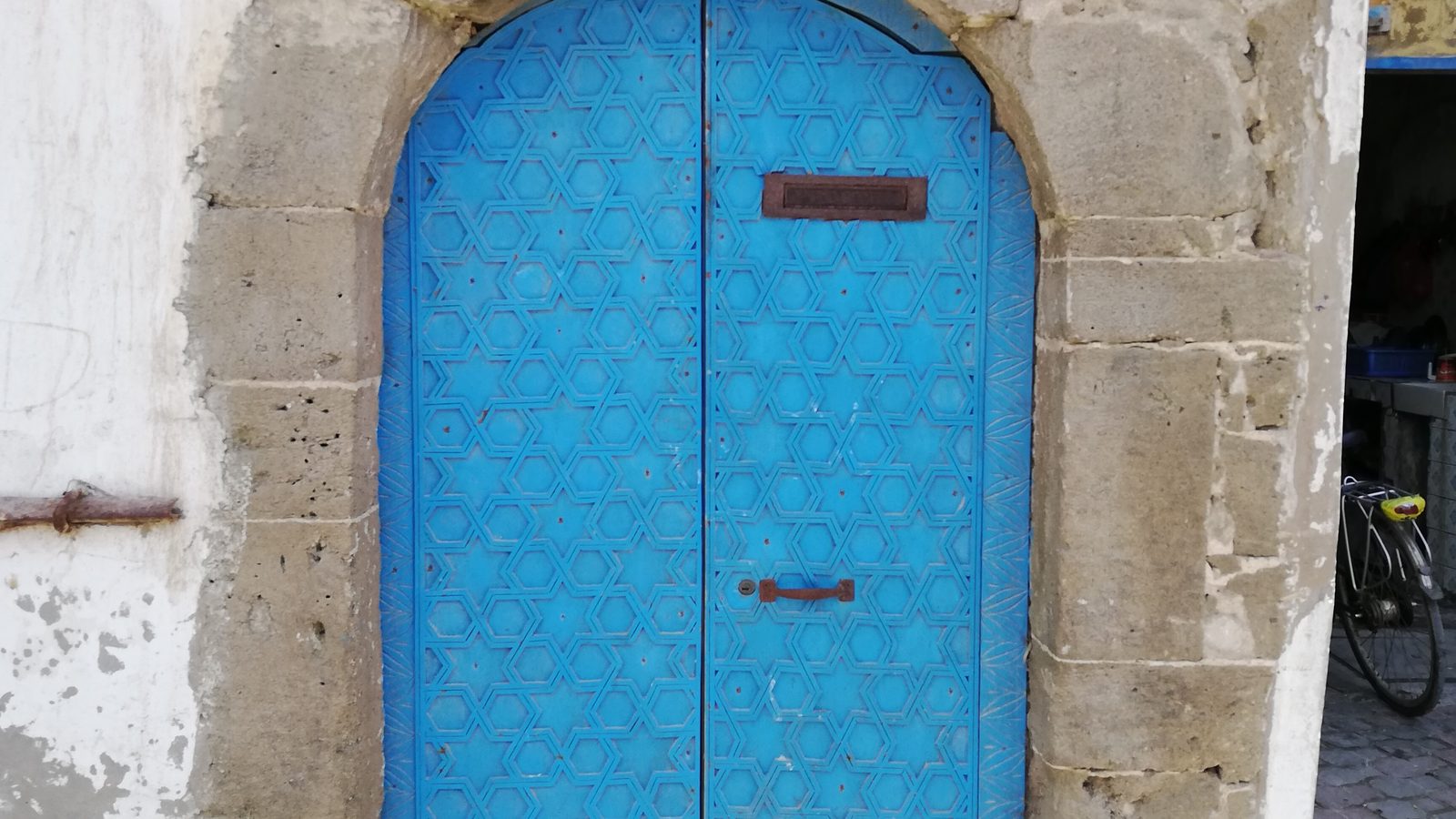
Bayt Dakira is the natural starting point — or finishing point — of a walk through the Jewish heritage of the town: the Slat Lkahal synagogue, the Rabbi Haim Pinto synagogue and the old cemetery by the ocean. Our guide to the Jewish heritage in Essaouira proposes a two-to-three-hour route, and our article on the hiloula of Rabbi Haim Pinto explains the September pilgrimage.
Practical tips for visiting Bayt Dakira
- Opening hours vary, and the site may close on Saturdays, Jewish holidays and during private events. Ask your riad for the current hours before you go.
- Dress modestly, as in any place of worship.
- Photography: usually allowed in the courtyard; ask before photographing inside the synagogue.
- Combine with music: read our listener's guide to Andalusian music in Morocco before attending a concert.
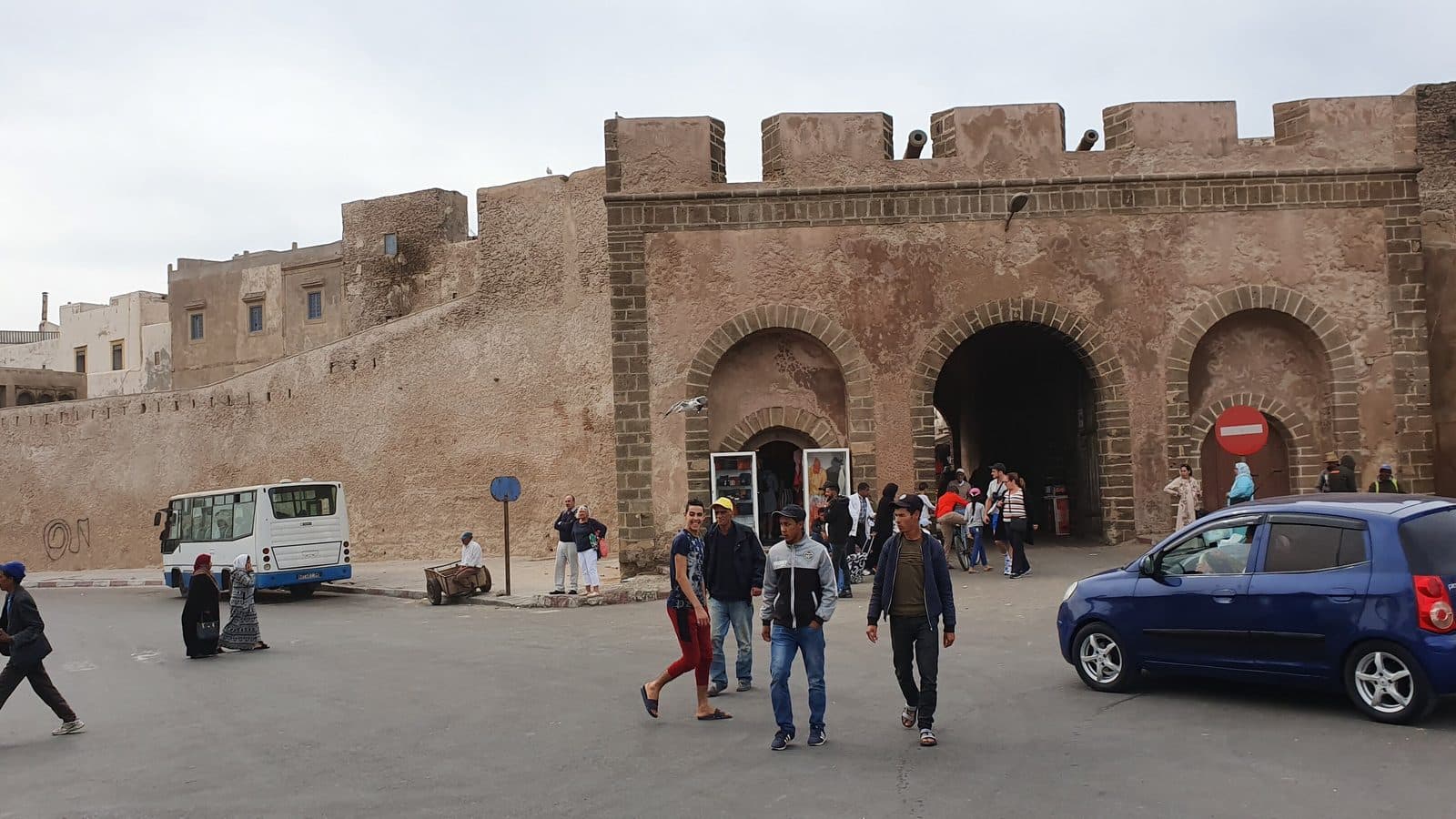
- Finding it: Bayt Dakira is in the mellah, in the northern part of the medina, a few minutes on foot from Bab Doukkala. See our guide to Essaouira's medina gates to know where your driver will stop.
Getting to Essaouira
- From Marrakech: our Marrakech to Essaouira transfer takes about 2 h 30, from €90 per vehicle for up to three passengers at the time of writing.
- From Essaouira-Mogador airport: the airport transfer takes about twenty minutes, from €20.
- From Casablanca, where many heritage tours begin or end: our Essaouira to Casablanca airport transfer, about four hours, from €190 per vehicle.
Spend the rest of the day on the ramparts or in the argan country with our half-day argan route excursion. Bayt Dakira is small, but it is one of the places that best explain Essaouira — contact us to plan your visit.