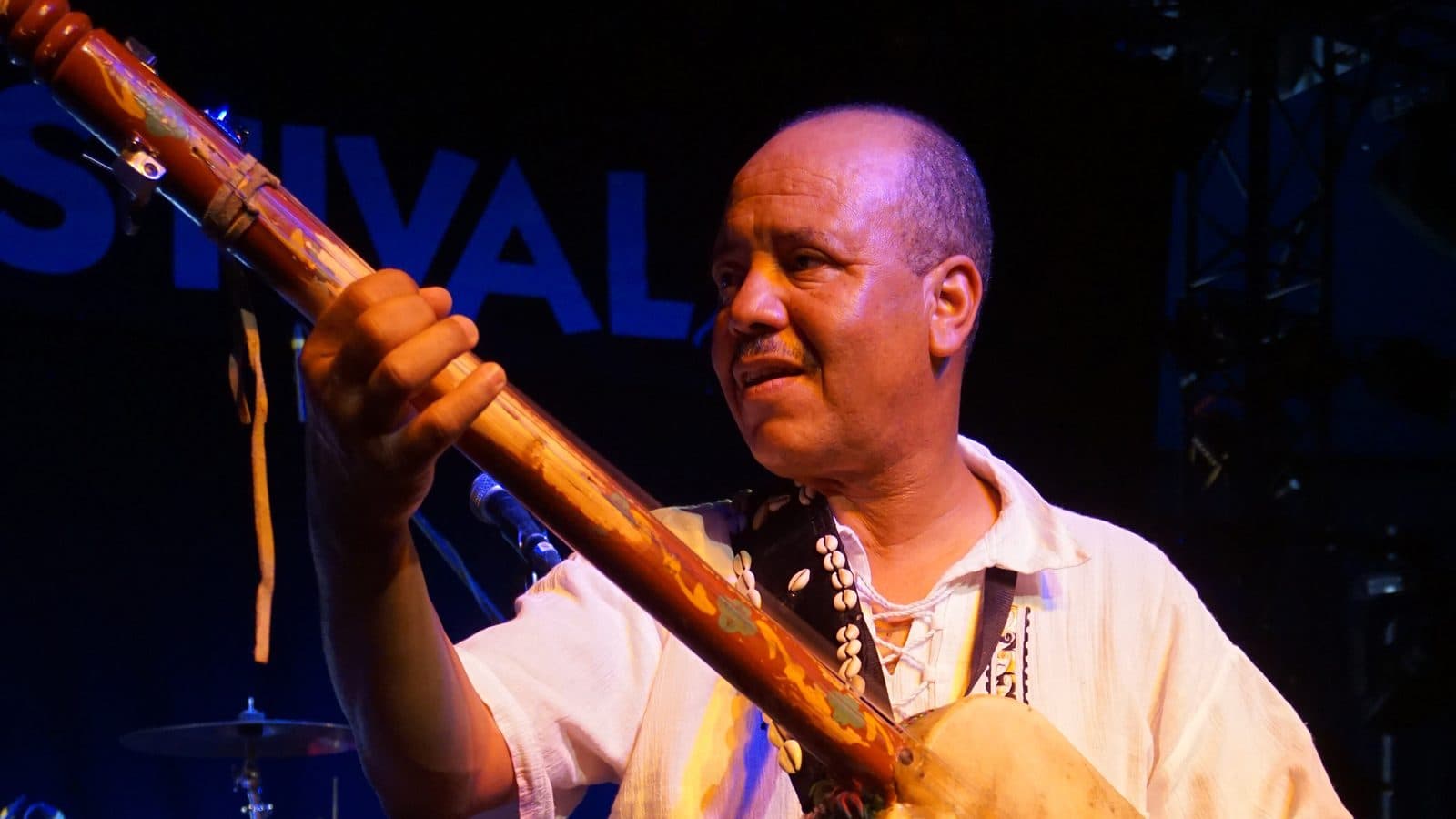
Few festivals say as much about the town that hosts them. For two decades, the Festival des Andalousies Atlantiques has brought Jewish and Muslim musicians together on the same stage in Essaouira, the old port of Mogador where both communities lived side by side for centuries. It is music first — Andalusian classical repertoire, gharnati, matrouz songs that mix Arabic and Hebrew verse — but it is also a long weekend of memory, conversation and friendship.
If you are thinking of going to the Andalousies Atlantiques in Essaouira in 2026, here is what to expect.
When is the Andalousies Atlantiques 2026?
The festival takes place at the end of October or the very beginning of November. The 2025 edition, which marked the festival's twentieth anniversary, ran from 30 October to 2 November. For 2026, local agendas list 29 October to 1 November 2026 — Thursday to Sunday — but the organiser, the Essaouira-Mogador association, usually publishes the final programme only a few weeks before. Treat those dates as likely, and check before booking anything non-refundable.
In September 2026 the press reported that the Andalusian orchestra of Ashdod, in Israel, would return to the Essaouira stage alongside Moroccan musicians — a sign of the spirit of the event.
What the festival is about
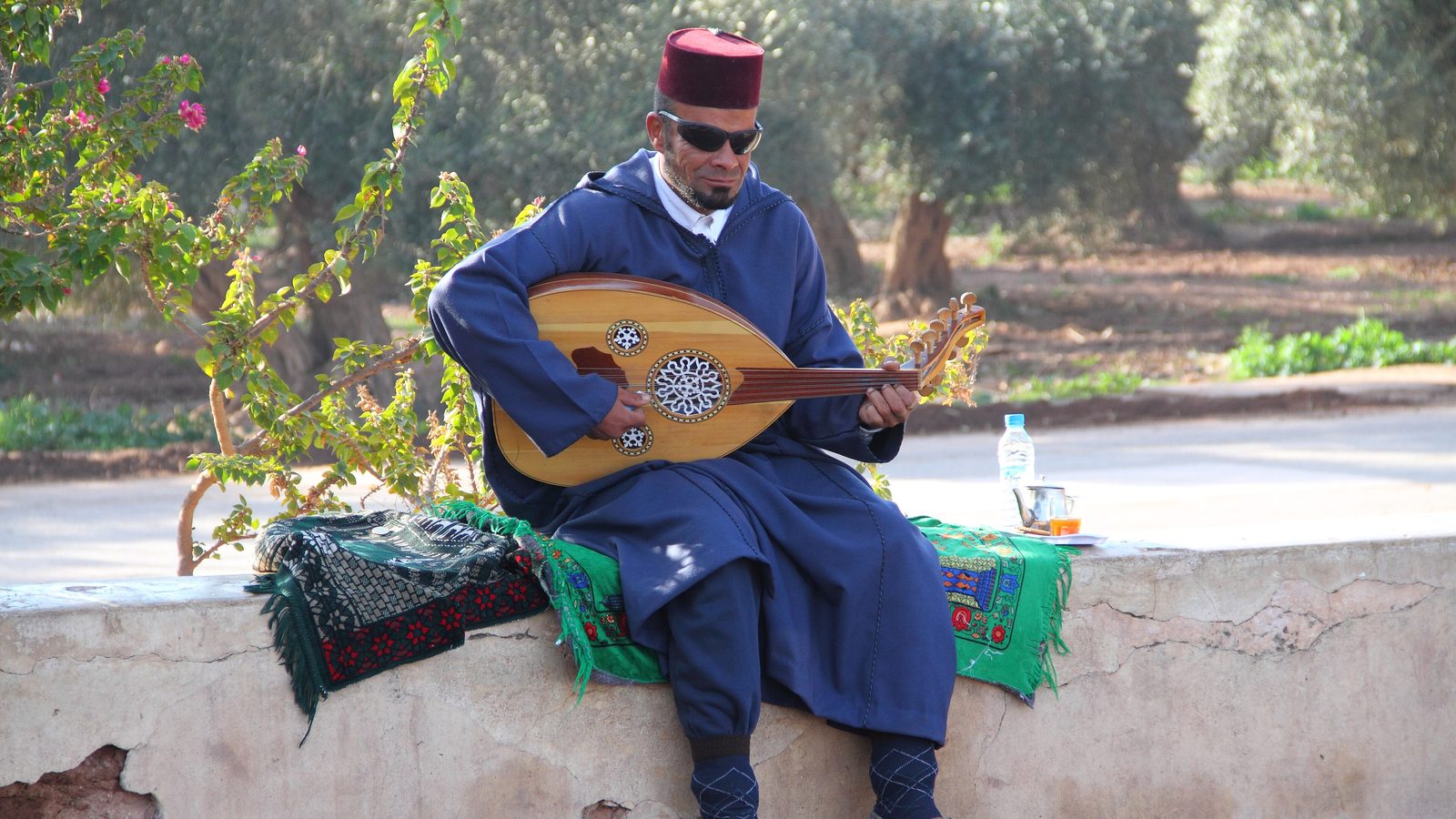
The Andalusian musical tradition was born in medieval al-Andalus and carried to Morocco by Muslims and Jews leaving Spain. In Moroccan cities it lived on in two closely related forms: the classical al-âla repertoire of the Muslim orchestras and the songs and piyyutim of the Jewish communities, often performed by the same masters. The festival celebrates that common heritage.

Expect Moroccan and international orchestras, solo singers, young musicians trained in the conservatories of Fez, Tetouan or Casablanca, and moving rencontres between artists who rarely share a stage.
How the programme works
Recent editions have followed a clear rhythm through the day:
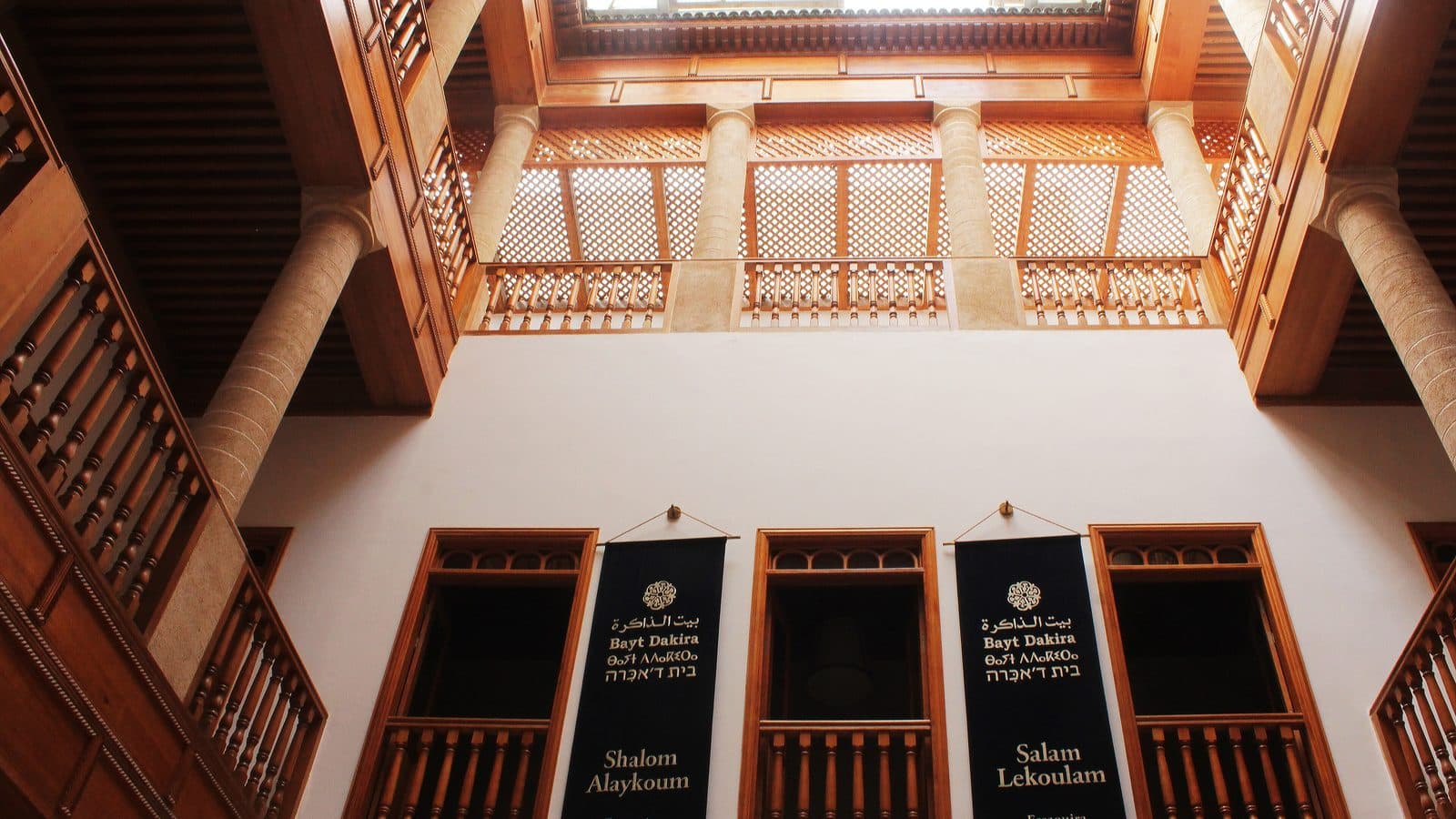
- Mornings: forums and talks at Bayt Dakira, the "house of memory" opened in 2020 in the old Jewish quarter, around the Simon Attias synagogue. Historians, musicians and writers discuss heritage, exile and coexistence.
- Afternoons: concerts at Dar Souiri, the intimate cultural house of the Essaouira-Mogador association in the medina — read our Dar Souiri guide.
- Evenings: larger concerts in a bigger hall, where the main orchestras perform.
Access conditions vary from year to year: some sessions have been open to the public, while evening concerts usually require a ticket or an invitation. Arrive early — seats fill quickly.
Practical tips for the Andalousies Atlantiques
- Follow the official programme: it is usually published a few weeks before the festival, with the venue and time of each concert and forum.
- Arrive early: Dar Souiri and Bayt Dakira are intimate spaces, and the best seats go to those who arrive first.
- Dress for the evening: concerts end late and stone halls are cool in autumn; a jacket or a shawl is welcome.
- Respect the moment: many pieces are sacred or deeply emotional for the audience; phones on silent, and film only if the organisers allow it.
- Stay for the forums: the morning conversations at Bayt Dakira give the music its context, and are one of the most moving parts of the Andalousies Atlantiques.
Where to stay
The venues are all in or near the medina, so a riad inside the walls is ideal: you can walk between Bayt Dakira, Dar Souiri and the evening concert, and stop for a grilled-fish lunch at the port in between. Late October is quieter than summer, but the festival weekend brings visitors from Casablanca, Rabat, Europe and Israel; book a few weeks ahead. Our guide to where to stay in Essaouira compares the medina, the beachfront and the countryside.
The weather in late October
Autumn is one of the best seasons in Essaouira. Days are often around 22°C, the strong summer wind has eased and the light is soft. Evenings in the medina and inside stone halls can be cool, so bring a light jacket. See our best time to visit Essaouira for details.
Getting to the Andalousies Atlantiques
- From Marrakech: our Marrakech to Essaouira transfer takes about 2 h 30, door to door. At the time of writing it costs €100 per vehicle for up to three passengers and €120 in a van for four to seven.
- From Essaouira-Mogador airport: the airport transfer takes about twenty minutes, from €20 per vehicle.
- From Casablanca or Rabat: count about four hours by road. We drive this route on request, and for your return our Essaouira to Casablanca airport transfer gets you to your flight on time.
The medina is pedestrian, so drivers stop at the nearest gate; a porter or someone from your riad takes you the last few metres.
Make a weekend of it
Plan a free morning for the ramparts and the mellah — our medina and ramparts walking guide shows the way — and, if you stay an extra day, an afternoon on the coast with our half-day excursion along the argan route. The Andalousies Atlantiques open Essaouira's autumn season; the Essaouira events calendar shows what follows, from photography to jazz.