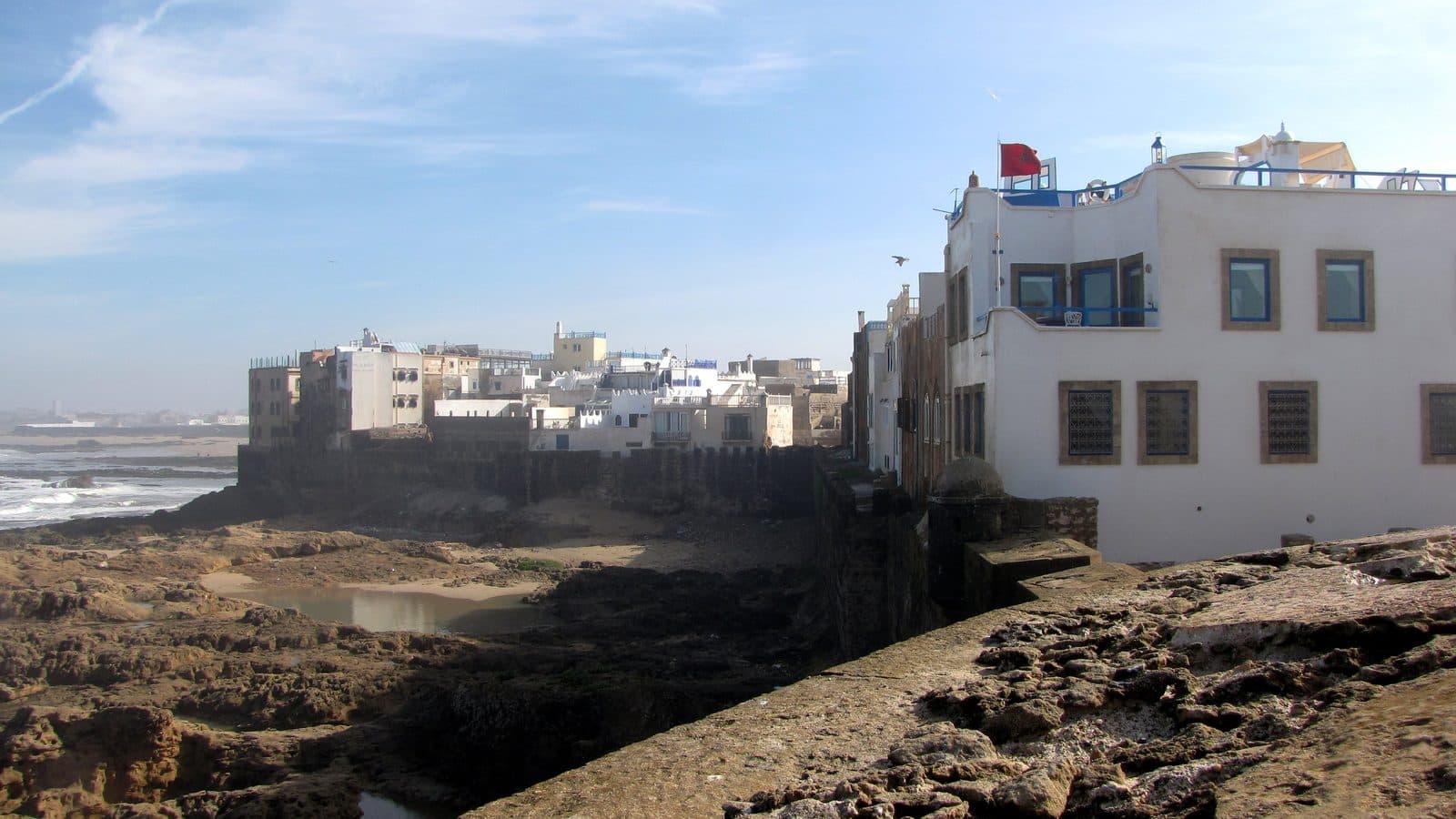
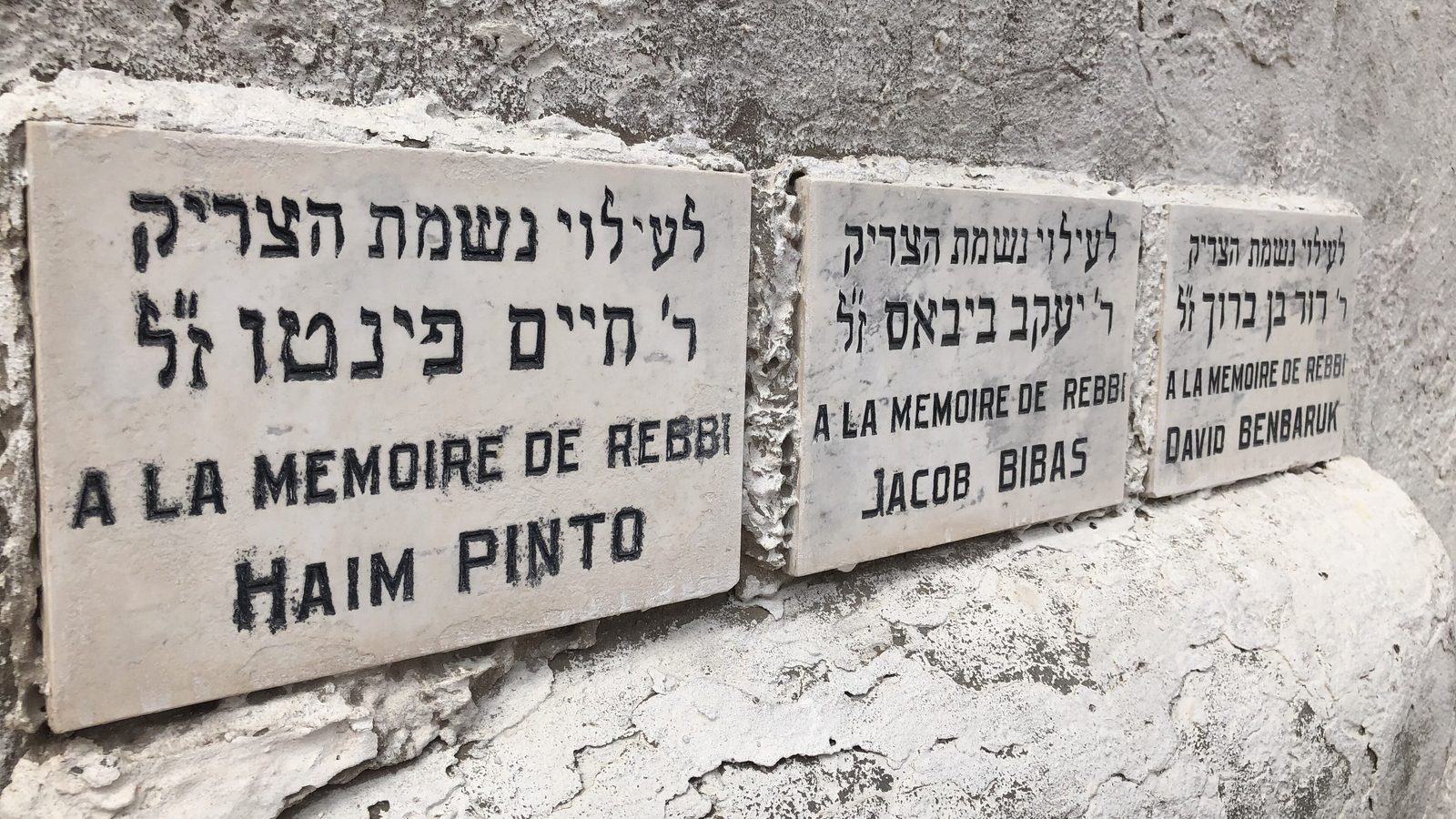
Once a year, the quiet lanes of Essaouira's old mellah fill with prayers, candles and the voices of families who have travelled from Casablanca, Jerusalem, Paris, Montreal or New York. They come for the hiloula of Rabbi Haim Pinto, the anniversary of the death of the most revered sage of Mogador, buried in the town's Jewish cemetery since 1845.
This guide explains who Rabbi Haim Pinto was, what a hiloula is, how the pilgrimage unfolds, when it takes place, and how to get to Essaouira for it — or to visit the sites at another time of year.
Who was Rabbi Haim Pinto?
Rabbi Haim Pinto was a scholar, kabbalist and rabbi of Mogador — today Essaouira — in the eighteenth and nineteenth centuries, when the town's Jewish community was one of the largest and most influential in Morocco. Revered during his lifetime for his learning and his piety, he became after his death a tzaddik, a righteous man whose tomb is a place of prayer and blessing. He died on 26 Elul 1845 in the Hebrew calendar and was buried in the old Jewish cemetery by the ocean. His descendants, the Pinto family of rabbis, are still active in Morocco, Israel, France and the Americas.
What is a hiloula?
In Moroccan Jewish tradition, a hiloula is the celebration held on the anniversary of a saint's death: rather than mourning, it marks the elevation of the soul. Pilgrims pray at the tomb, light candles, ask for blessings, share festive meals and sing liturgical poems, the piyyutim. Morocco counts many such pilgrimages; the hiloula of Rabbi Haim Pinto in Essaouira is one of the best attended.
How the hiloula of Rabbi Haim Pinto unfolds
Recent editions have lasted around four days:
- At the cemetery, the tomb of the rabbi is the heart of the pilgrimage, with prayers and candle-lighting, especially on the opening evening.
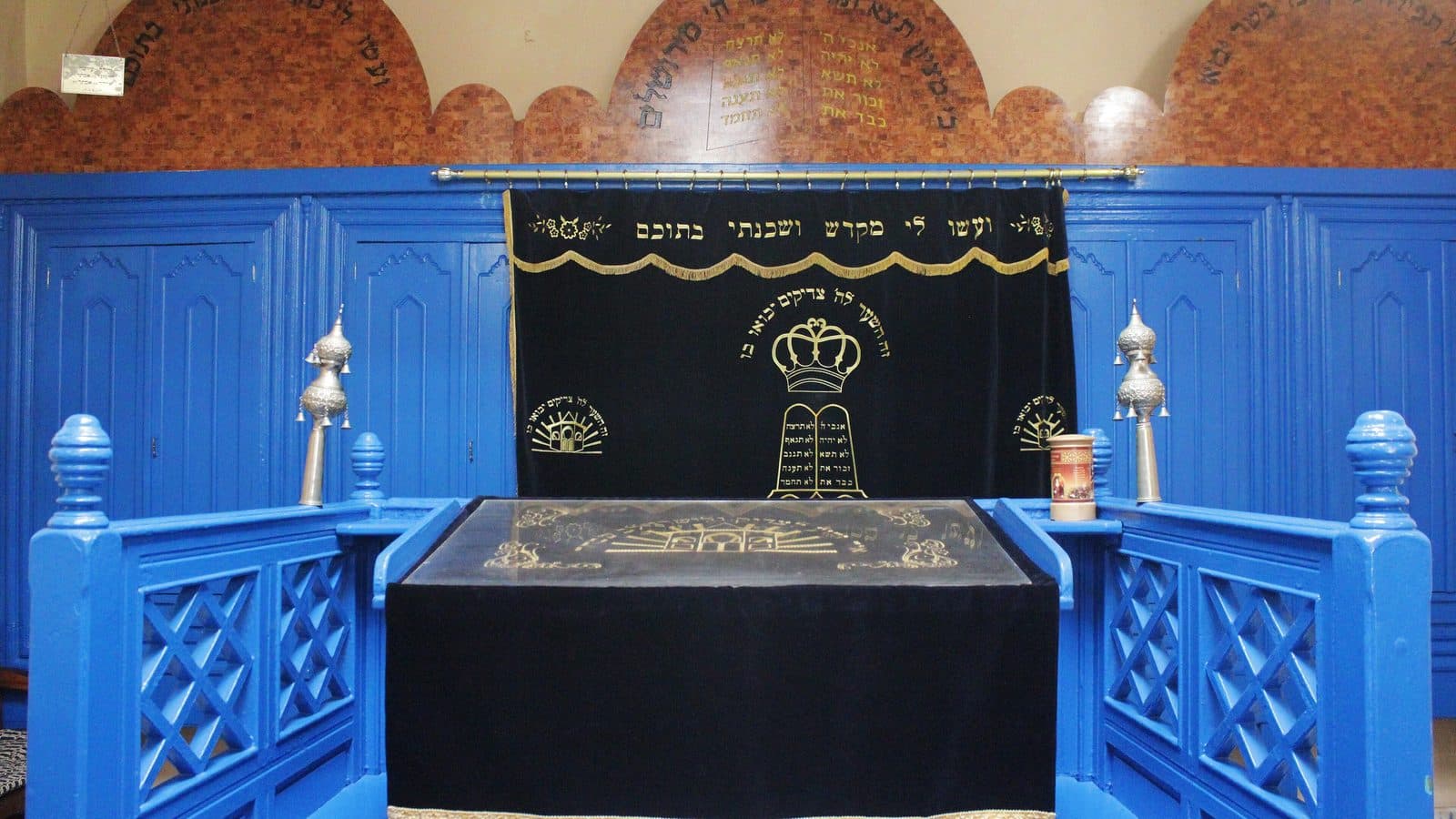
- At the Rabbi Haim Pinto synagogue, in the rabbi's former house in the mellah, restored in recent years, services and readings take place.
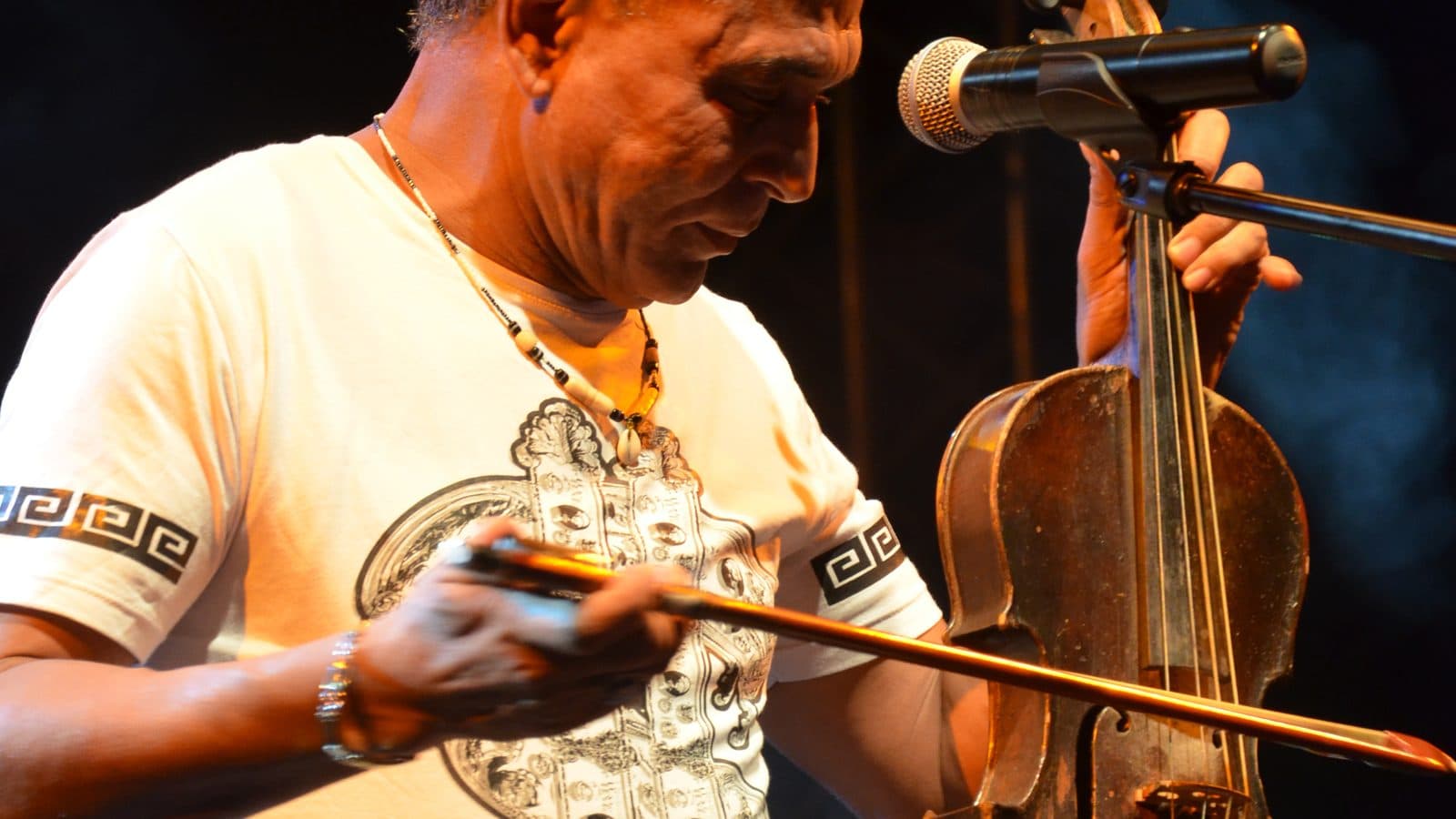
- Meals and music bring the community together in the evenings, often with Andalusian and liturgical songs.
The gathering is organised by the community and the Pinto family, with official support and security arrangements. After a two-year pause during the pandemic, the 2022 edition drew more than 2,000 pilgrims, according to the press.
When is the hiloula?
The date follows the Hebrew calendar: the anniversary falls on 26 Elul, which usually corresponds to September. In 2025 the gathering took place from 17 to 21 September. In 2026, 26 Elul fell in early September; in 2027 it falls at the end of September, and the pilgrimage normally spans several days around that date. Precise dates and programmes are announced by the organisers — check with the community or with us before booking.
Visiting respectfully
- The hiloula is a religious event. Non-Jewish visitors who wish to attend should come discreetly, dress modestly and follow the instructions of the organisers and security staff.
- Ask before taking photographs, and never photograph people praying without permission.
- Outside the pilgrimage, the synagogue and the cemetery can usually be visited during opening hours, with a small contribution to the guardian. Our guide to the Jewish heritage of Essaouira suggests a walk through the mellah, and our article on Bayt Dakira presents the house of memory nearby.
The Jewish heritage trail beyond Essaouira
Many pilgrims combine the hiloula with other places of Moroccan Jewish memory. In Casablanca, the Museum of Moroccan Judaism presents objects, costumes and photographs from communities across the country. In Marrakech, the mellah and its restored synagogue are a short walk from the Bahia Palace. Fez, with its historic mellah and the Ibn Danan synagogue, completes the journey. With a private driver, these cities link up easily — from Essaouira, Casablanca is about four hours away and Marrakech two and a half.
Where to stay
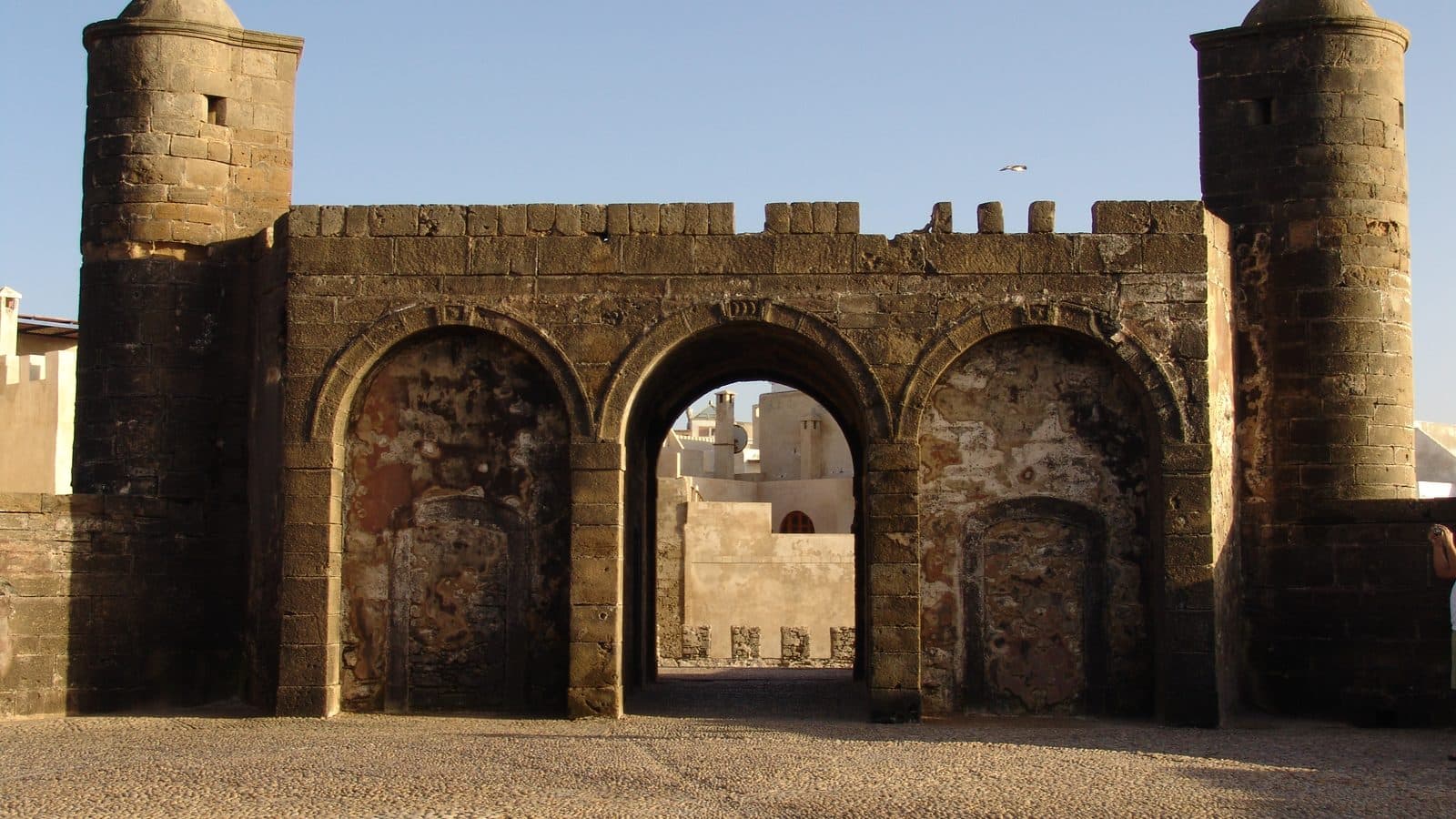
The synagogue is in the medina and the cemetery just outside the walls, a short walk from Bab Doukkala. A riad in the medina is ideal; book early, as the town fills up during the pilgrimage. Our guide to where to stay in Essaouira compares the areas, and our guide to Essaouira's medina gates explains where drivers stop.
Getting to Essaouira for the hiloula of Rabbi Haim Pinto
Many pilgrims fly into Casablanca. Our Essaouira to Casablanca airport transfer runs in both directions — about four hours, from €190 per vehicle for up to three passengers and €260 in a minibus for larger groups, at the time of writing. From Marrakech, our Marrakech to Essaouira transfer takes about 2 h 30, from €90 per vehicle. And from Essaouira-Mogador airport, the airport transfer takes about twenty minutes, from €20.
Families and community groups often travel together: our vans carry up to seven passengers and our minibuses up to seventeen — see group transport in Essaouira. If you also want to hear Judeo-Andalusian music, the Andalousies Atlantiques take place every autumn.
Contact us with your dates and the size of your group, and we will organise your arrival and departure for the hiloula of Rabbi Haim Pinto.