Many travellers arrive in Marrakech expecting to eat tagine at every meal. They soon discover a much richer table: a dish slow-cooked overnight in the embers of a hammam, lamb roasted in underground ovens, soups that break the fast at sunset, pastries dripping with honey and bread still warm from the neighbourhood oven. Knowing what to eat in Marrakech turns every meal into part of the trip.
Here are the dishes and street foods we recommend to our own passengers.
The Marrakech classics
1. Tanjia marrakchia
The city's signature dish. Beef or lamb is packed into a tall clay urn with preserved lemon, garlic, cumin, saffron and a little smen (aged butter), then left for hours in the embers of the furnace that heats a public hammam. The meat comes out meltingly tender. Look for it in small restaurants around the medina, especially at lunchtime.
2. Mechoui
Whole lamb, slowly roasted in pits until the skin is crisp and the meat falls apart. A small lane near Jemaa el-Fnaa is famous for it: the meat is sold by weight, sprinkled with cumin and salt and eaten with bread, standing up or on a bench. Go at lunchtime, when it comes out of the ovens.
3. Tagine
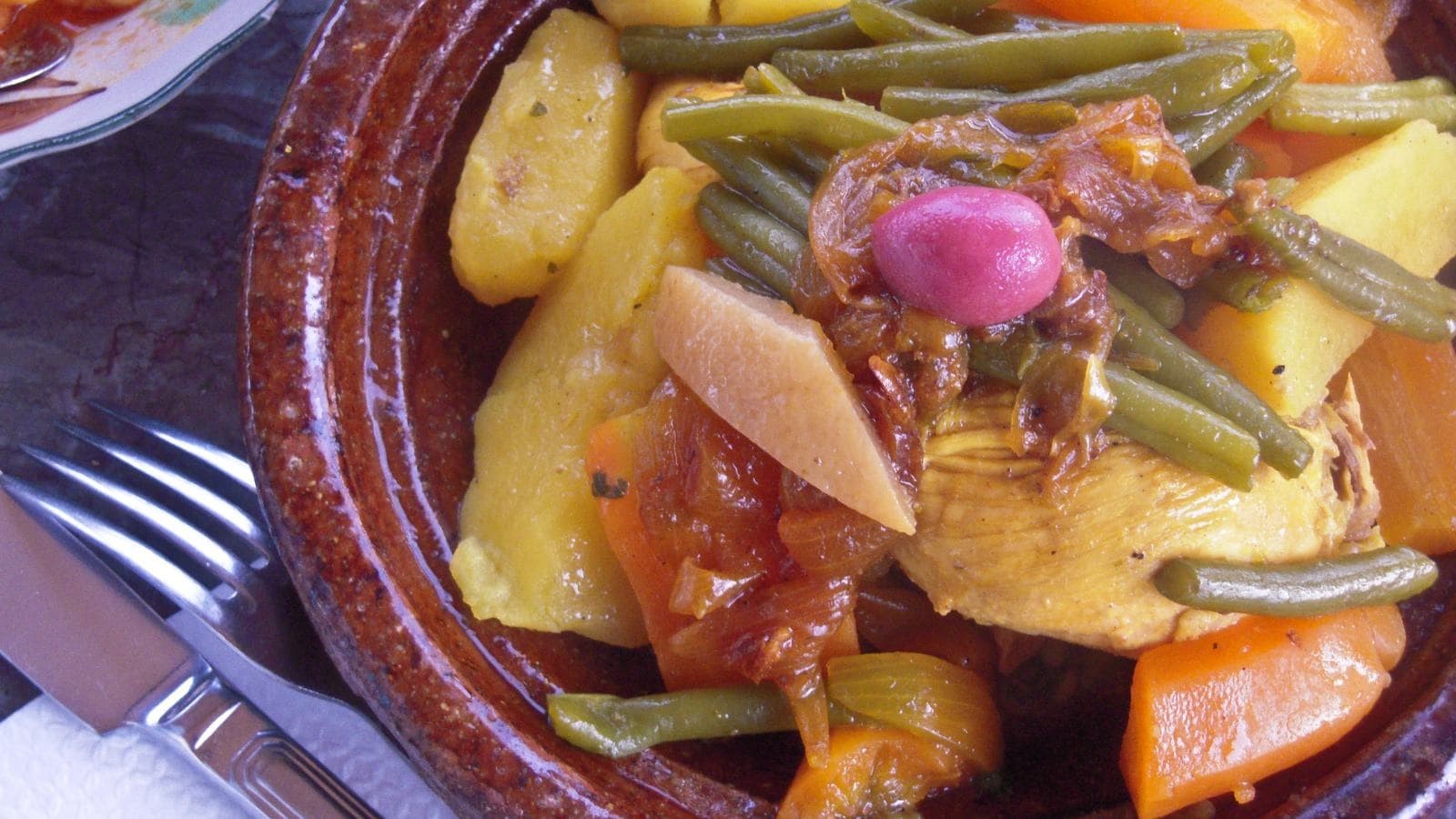
The famous cone-lidded dish comes in endless versions: chicken with preserved lemon and olives, lamb with prunes and almonds, kefta (meatballs) with eggs and tomato, or seasonal vegetables. A good tagine is slow-cooked, never rushed.
4. Couscous
Traditionally a Friday dish, served after the midday prayer. Fine semolina is steamed several times and topped with vegetables and meat, sometimes with caramelised onions and raisins (tfaya).
5. Pastilla
A spectacular pie of thin warqa pastry filled with spiced chicken — traditionally pigeon — almonds and egg, dusted with cinnamon and icing sugar. Sweet and savoury at the same time, it is a festive dish worth ordering at least once.
6. Harira
A hearty soup of tomatoes, lentils, chickpeas and herbs. It is eaten all year but becomes the star of the table during Ramadan, when it breaks the fast with dates and sweet chebakia.
What to eat in Marrakech on the street
7. Msemen and harcha
Square, flaky msemen pancakes and harcha, a crumbly semolina bread, are breakfast favourites, served with honey, butter or cheese.
8. Sfenj
Light, chewy Moroccan doughnuts, fried to order in the morning and threaded onto a palm leaf to carry away.
9. Brochettes and grilled meat
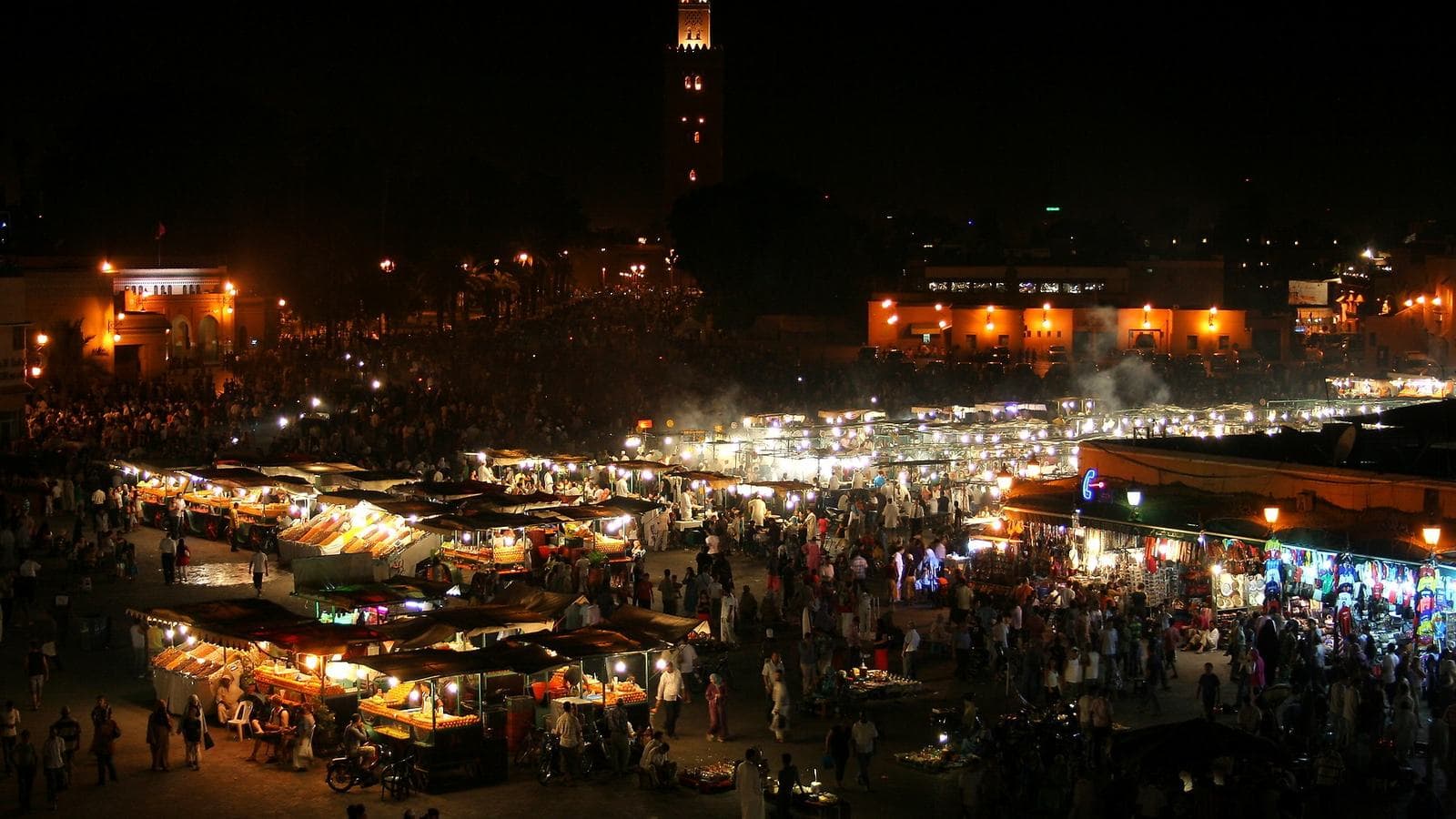
Skewers of beef, lamb, chicken or liver, grilled over charcoal at stalls across the city and on Jemaa el-Fnaa at night. Our Jemaa el-Fnaa guide explains how the evening food stalls work.
10. Snail soup
A bowl of snails in a broth of herbs and spices — the locals swear by it for digestion. Only for the adventurous, but a real Marrakech experience.
11. Khobz from the communal oven
Many families still take their dough to the neighbourhood wood-fired oven. The round, dense bread that comes out is the tool for eating almost everything else.
Drinks and sweets
12. Mint tea
Green tea, fresh mint and plenty of sugar, poured from a height to create a little foam. Offered everywhere as a sign of welcome.
13. Fresh juices
Orange juice on Jemaa el-Fnaa, and in juice bars around the city, thick avocado shakes and mixed fruit cocktails.
14. Pastries
Gazelle horns filled with almond paste, sesame and honey chebakia, and delicate almond briouats — perfect with tea in the afternoon.
15. Amlou
A spread of roasted almonds, argan oil and honey, usually served at breakfast. It comes from the argan country near Essaouira; see our guide to where to eat in Essaouira for the coastal side of Moroccan cuisine.
Eating in Marrakech during Ramadan
If your trip falls during Ramadan, whose dates move about eleven days earlier each year, you will see a different side of the city's food culture. Restaurants for visitors stay open, but many local cafés close during the day. Just before sunset the streets empty, families gather around harira, dates, boiled eggs and sweet chebakia, and then the city comes back to life late into the night. It is a wonderful time to taste home cooking.
Eating well and safely
- Choose busy places, especially for street food — high turnover means fresh food.
- Drink bottled or filtered water, and go easy on raw salads for the first days if your stomach is sensitive.
- Eat with your right hand and use bread as a spoon when sharing a dish.
- Alcohol is served only in licensed restaurants and hotels.
- Vegetarians eat well: vegetable tagine, couscous with seven vegetables, zaalouk and lentil dishes are everywhere.
Taste more
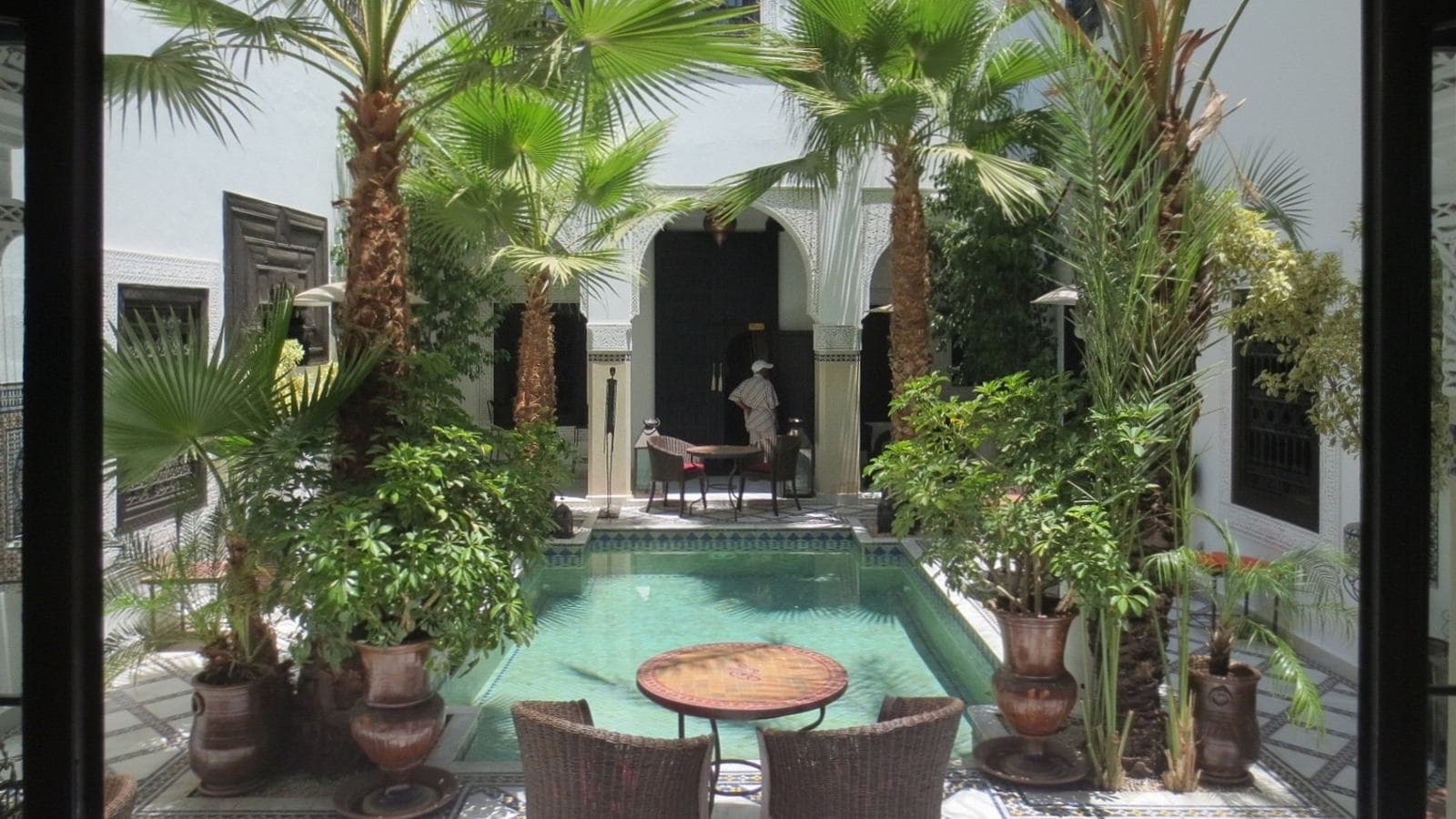
A cooking class is the best way to understand Moroccan food; many riads offer one, often with a visit to the market. On our Ourika Valley day trip, lunch by the river in Setti Fatma is part of the fun. For the rest of your stay, see our guides to the best things to do in Marrakech and the Marrakech souks, where the spice stalls will tempt you to cook at home. Now you know what to eat in Marrakech — bring your appetite.