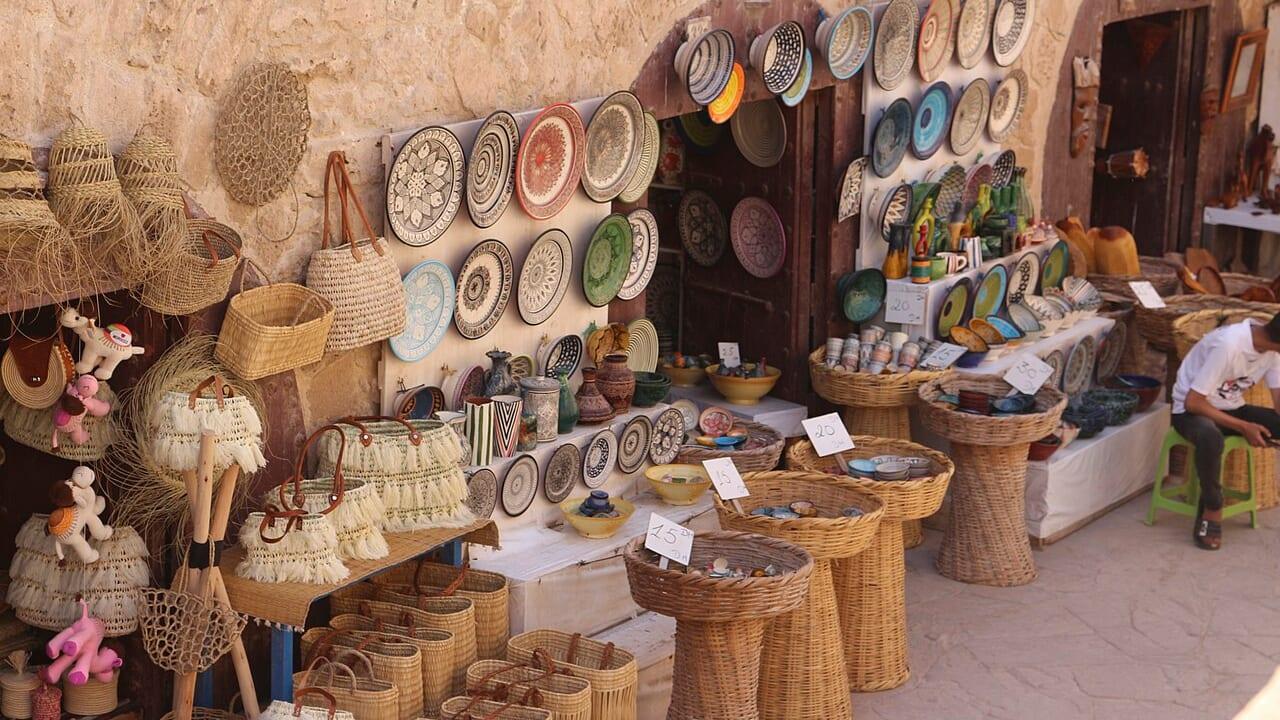
Thuya boxes that smell of cedar, silver bracelets hammered by hand, rugs woven in the villages of the province: from Monday 23 to Sunday 29 November 2026, the Essaouira handicraft fair brings artisans, cooperatives and craft businesses together in the City of the Trade Winds. Announced locally as the National Handicraft Exhibition (المعرض الوطني للصناعة التقليدية), it is a rare chance to buy directly from the people who make the objects — and to understand why Essaouira is one of the craft capitals of Morocco.
This guide sums up what we know about the 2026 edition, what to look for on the stands, how to make the most of your visit, a three-day plan and how to reach Essaouira from Marrakech, Agadir or the airport.
Essaouira handicraft fair 2026 at a glance
- Dates: Monday 23 to Sunday 29 November 2026 — seven days, including a full weekend.
- Format: a national exhibition, open to the public, with stands for individual artisans, cooperatives and small craft businesses.
- Goals: to showcase the richness and diversity of Moroccan handicrafts and to help artisans sell their products directly.
- Local stars: thuya wood marquetry, Essaouira carpets and Deg Souiri, the town's traditional silver jewellery.
- Venue and opening hours: check the local announcements or ask your riad on arrival — Essaouira is small, and taxi drivers know where the fair is held.
Already in town before the opening, or staying after it? The Argana integrated handicraft complex, where twenty cooperatives have shops, is open all year: our guide to Essaouira's artisans and workshops explains how to visit it.
A month of crafts in Essaouira
The fair closes a November that has put handicrafts in the spotlight:
- 6–7 November: the first Essaouira Fashion Week paired catwalk shows with the city's craft heritage — caftans, embroidery and weaving.
- 20 November: Abdeljabbar Rachidi, Minister Delegate in charge of Handicrafts and the Social and Solidarity Economy, visited the Argana complex, its production workshops, its vocational training centre and the shops of its twenty cooperatives. He said the aim is to strengthen the complex as a crafts hub and to open it more widely to culture, including young people's projects in music and the visual arts.
- The same day, the first Mogador Dialogues held a talk at the Argana centre on handicrafts as "a universal language", recalling the heritage shared by Moroccan Muslims and Jews — a story you can trace through the Jewish heritage of Essaouira.
Essaouira is also used to craft fairs in summer: the regional handicraft fair of the Marrakech-Safi region, organised by the regional Chamber of Crafts, gathered dozens of exhibitors in the city in August 2025.
What to look for on the stands
A national exhibition means you will meet craftspeople from several regions, but Essaouira's own trades deserve a special look:
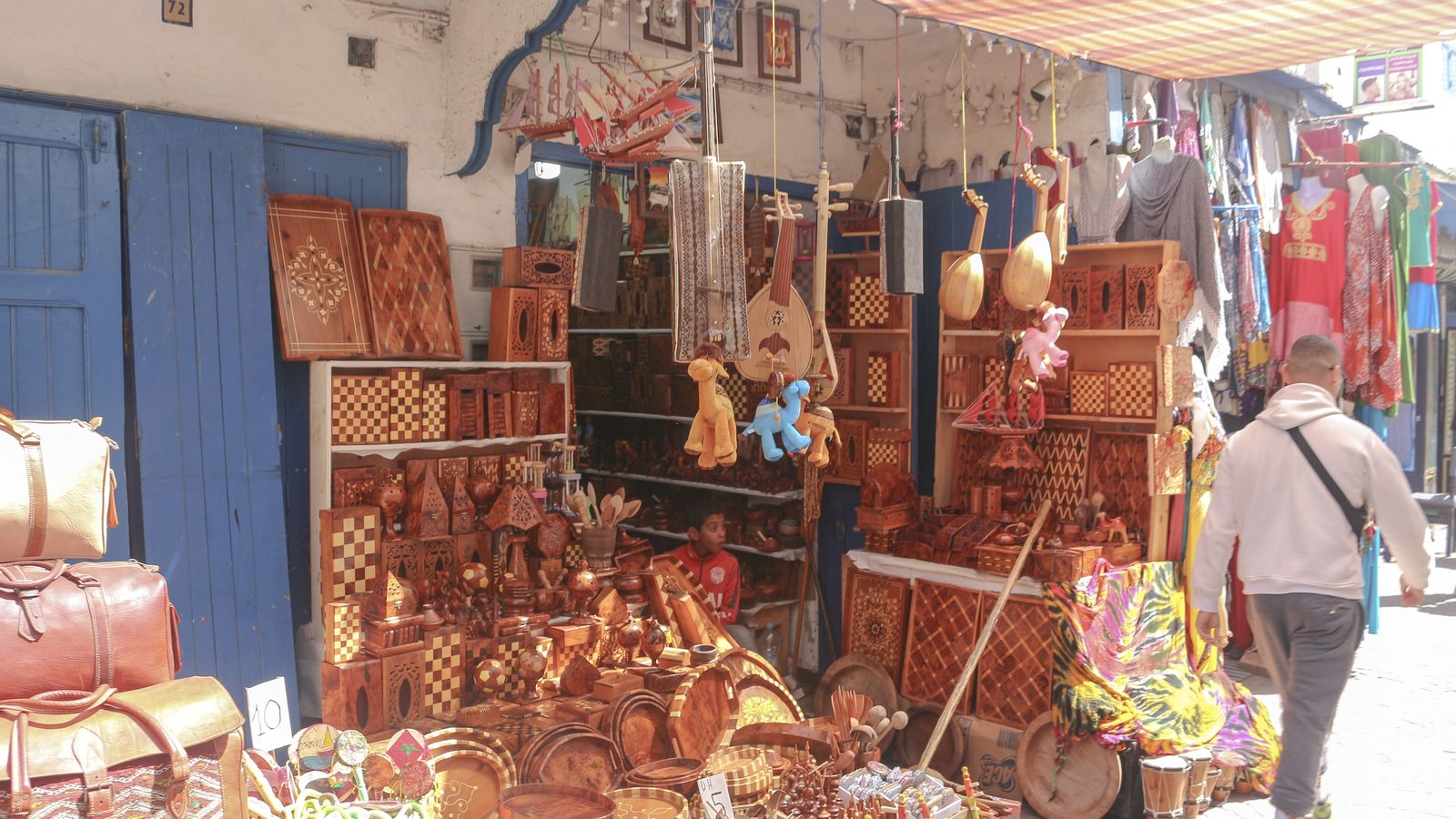
- Thuya wood (arâr in Arabic): boxes, chessboards and inlaid panels made from the fragrant burl of Tetraclinis articulata, a tree of the hills around the city. Our thuya wood guide explains how to recognise a genuine piece.
- Deg Souiri silver jewellery: bracelets, pendants and earrings hammered and engraved by hand — a local tradition that a training programme launched in 2024 is passing on to a new generation of apprentices.
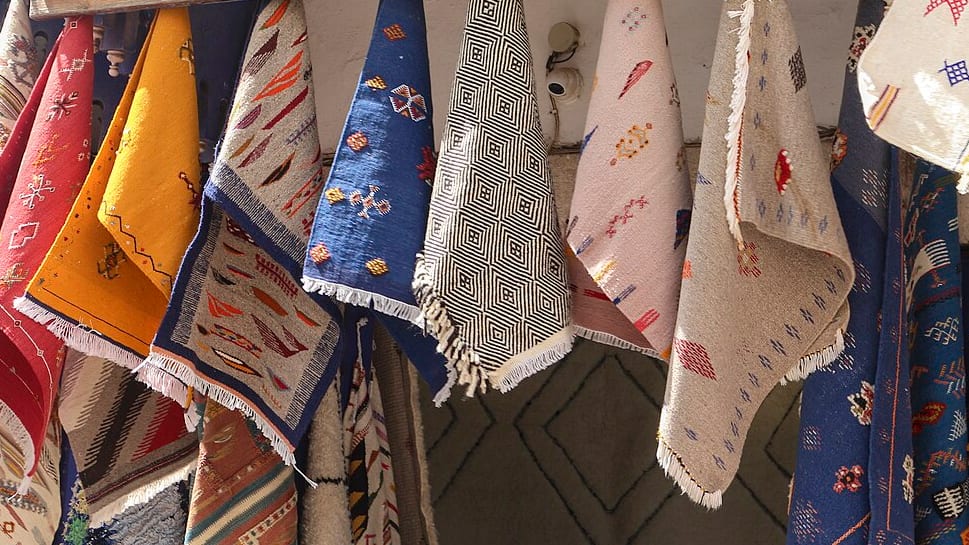
- Carpets and weaving: rugs and blankets from the countryside of the province, and the red rugs of Chichaoua, on the road from Marrakech — see our Chichaoua carpets guide.
- Embroidery and traditional sewing: djellabas, caftans and the braided sfifa trims that finish them.
- Plant-fibre crafts and argan: baskets, mats and hats in palm fibre, and the oils, soaps and cosmetics of women's argan cooperatives — learn more in our argan cooperative guide.
- Crafts from other regions: pottery from Safi, leather from Fès and Marrakech, rugs from the Atlas — all explained in our guide to Moroccan handicrafts.
How to make the most of your visit
- Go early in the week if you want time to talk with the artisans; the weekend of 28–29 November will be busier.
- Ask who made it. At a fair, you often buy from the maker or from the cooperative that pays them. Ask about the materials and the hours of work: artisans love to explain their craft.
- Carry dirhams. Small stands rarely take cards. Our guide to money in Morocco covers ATMs, exchange and tipping.
- Bargain kindly — or not at all. Cooperatives often display fixed prices; with individual artisans a friendly discussion is fine, but remember the time behind each piece.
- Think about the flight home. Thuya and ceramics travel well wrapped in clothes, and argan oil over 100 ml goes in the hold. Our guide to what to buy in Essaouira has more quality and packing tips.
A three-day plan around the Essaouira handicraft fair
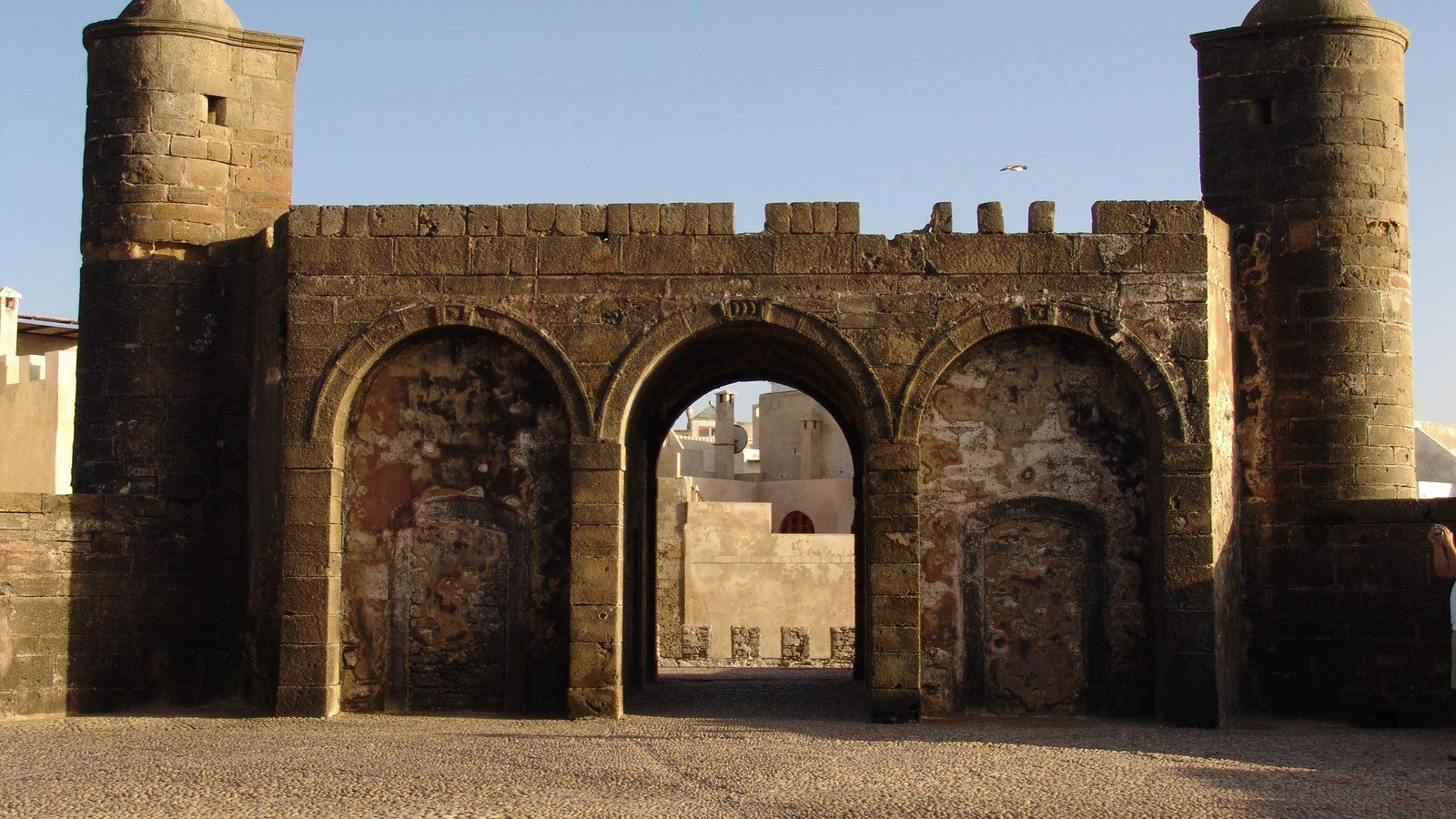
- Day 1 — arrival and the medina. Leave Marrakech in the morning and you are in Essaouira for lunch. Walk the ramparts and the Skala, where the thuya woodworkers have their workshops, with our medina walking guide.
- Day 2 — the fair and the Argana complex. Spend the morning at the exhibition, then visit the cooperatives' shops at the Argana complex. In the late afternoon, try a thuya marquetry workshop — ideal with children — or a treasure hunt in the medina.
- Day 3 — the argan countryside. Our half-day private excursion takes you to Diabat and a women's argan cooperative; the full-day excursion goes on to Sidi Kaouki and the Berber markets.
Late November is mild in Essaouira, with cool evenings: see Essaouira in November for the weather and the other events of the month.
Getting to the Essaouira handicraft fair with Rouasse Travels
Essaouira has no railway station. Rouasse Travels drives you door to door — from your riad or the airport in Marrakech, from Essaouira-Mogador airport, or on to Agadir — at fixed prices per vehicle, not per person, with a professional driver, air conditioning and bottled water. And there is room in the boot for a rug or two on the way home.
| Service | Duration | 1–3 passengers | 4–7 passengers | 8–17 passengers |
|---|---|---|---|---|
| Marrakech → Essaouira transfer | 2 h 30 | €100 | €130 | €190 |
| Essaouira airport → medina | about 20 min | €20 | €25 | €50 |
| Essaouira → Marrakech transfer | 2 h 30 | €100 | €130 | €180 |
| Essaouira → Agadir transfer | 2 h 30 | €100 | €130 | €170 |
| Half-day excursion: Diabat & argan cooperative | 4 h | €80 | €120 | €140 |
| Full-day excursion: Sidi Kaouki & argan route | 8 h | €120 | €150 | €190 |
Prices at the time of writing.
- Meet and greet at the airport: your driver waits with a name sign, follows your flight and gives you 60 minutes of free waiting after landing.
- Travelling with friends? A van for 4 to 7 people costs €130 from Marrakech — between about €19 and €33 per person.
- Book the return at the same time, especially if you plan to leave on Sunday 29 November, the last day of the fair.
Plan your visit to the fair now. Book on our booking page or contact us on WhatsApp with your dates, your flight and the number of travellers: we confirm within 24 hours.