"Is Morocco safe?" is a question many of our passengers ask on the drive from the airport, sometimes a little nervously after reading alarming forum posts. Our honest answer: Morocco welcomes millions of visitors every year, and the overwhelming majority have a safe, warm and memorable trip. Serious crime against tourists is rare. What you are far more likely to meet are hustlers, unofficial guides and a few well-worn scams — annoying, but easy to handle once you know them.
Here is what you really need to know.
Is Morocco safe? The short answer
Yes, for the vast majority of travellers who use common sense. Tourism matters enormously to the country, and the main tourist areas are well policed, with dedicated tourist police in the big cities. Marrakech, Essaouira and Agadir are all popular, well-trodden destinations; Essaouira in particular is known for its relaxed, low-pressure atmosphere.
As everywhere, rules and risks can change, so always check your own government's latest travel advice before you go.
The real risks, in order
- Road safety is statistically a bigger risk than crime. Driving styles, unlit roads and mountain passes at night call for caution — one reason many visitors prefer a professional driver for long journeys.
- Petty crime such as pickpocketing happens in crowded places, especially in the souks and on Jemaa el-Fnaa in the evening.
- Scams and hustle are the most common annoyance.
- Health: the sun, the heat and an unfamiliar diet cause more trouble than anything else.
The most common scams (and how to avoid them)
- "The square is closed" / "This way is closed". A friendly stranger tells you the road ahead is shut and offers to guide you — usually to a shop or for a fee. Keep walking.
- Unofficial guides. Offers to "show you the way" nearly always end with a request for money. Use an offline map, or ask your riad for an official guide.
- The tannery tour. You are led to a terrace with a "free" view, then asked for a large tip or steered into a leather shop.
- Henna grabs. A woman takes your hand and starts drawing before any price is agreed. Keep your hands to yourself unless you want it.
- Taxi meters. Petits taxis in cities should use the meter; if the driver refuses, agree the price before you get in or take another taxi.
- Short change. Count your change, especially with larger notes.
- Airport touts. Arrange your pickup in advance: our Marrakech airport arrival guide explains how to find your driver, and our comparison of airport taxis and private transfers covers the pitfalls.
A smile and a firm "La, shukran" ("No, thank you") solves most situations.
Advice for women travellers
Women travelling alone or together generally travel safely in Morocco, but may receive unwanted comments in busy medinas. Modest clothing, confident walking and simply not responding usually work well. Sitting in cafés where local women also sit, and arranging transport in advance for late arrivals, add peace of mind. Our guide to what to wear in Morocco has practical tips.
Is Morocco safe for families?
Yes — Moroccans are famously warm with children, and families travel here happily every year. The practical challenges are the heat, the narrow and busy medina lanes, and long drives. Choose accommodation with space and a pool if your children are young, plan sightseeing for the mornings, keep hands held in crowded souks, and break long journeys with stops. Our guide to Marrakech airport transfers with kids explains how to plan a calm family arrival.
Other things to know
- Public displays of affection are frowned upon for everyone. Same-sex relationships are illegal in Morocco; LGBTQ+ travellers generally travel without problems but are advised to be discreet.
- Drones cannot be brought into the country without authorisation.
- Alcohol is legal in licensed places, but being drunk in public is not tolerated.
- Photography: ask before photographing people, and never photograph police, military sites or official buildings.
Emergency numbers
- 19 — police in cities
- 177 — Royal Gendarmerie, outside cities
- 15 — fire and ambulance
Save your accommodation's number, your embassy's contact details and a copy of your passport on your phone, and travel with insurance that covers medical care.
Arriving at night
Late arrivals are when travellers feel most vulnerable: tired, with luggage, in an unfamiliar place. Booking your transfer in advance removes all of that — a driver waits at arrivals with your name and takes you to the nearest point to your riad. See our guide to arriving in Marrakech at night.
Getting around safely
For long distances, a professional driver who knows the roads is the safest and least stressful option, especially over the Atlas passes and after dark. Our guide to hiring a private driver in Morocco lists our routes and prices, from €20 for the Marrakech airport transfer.
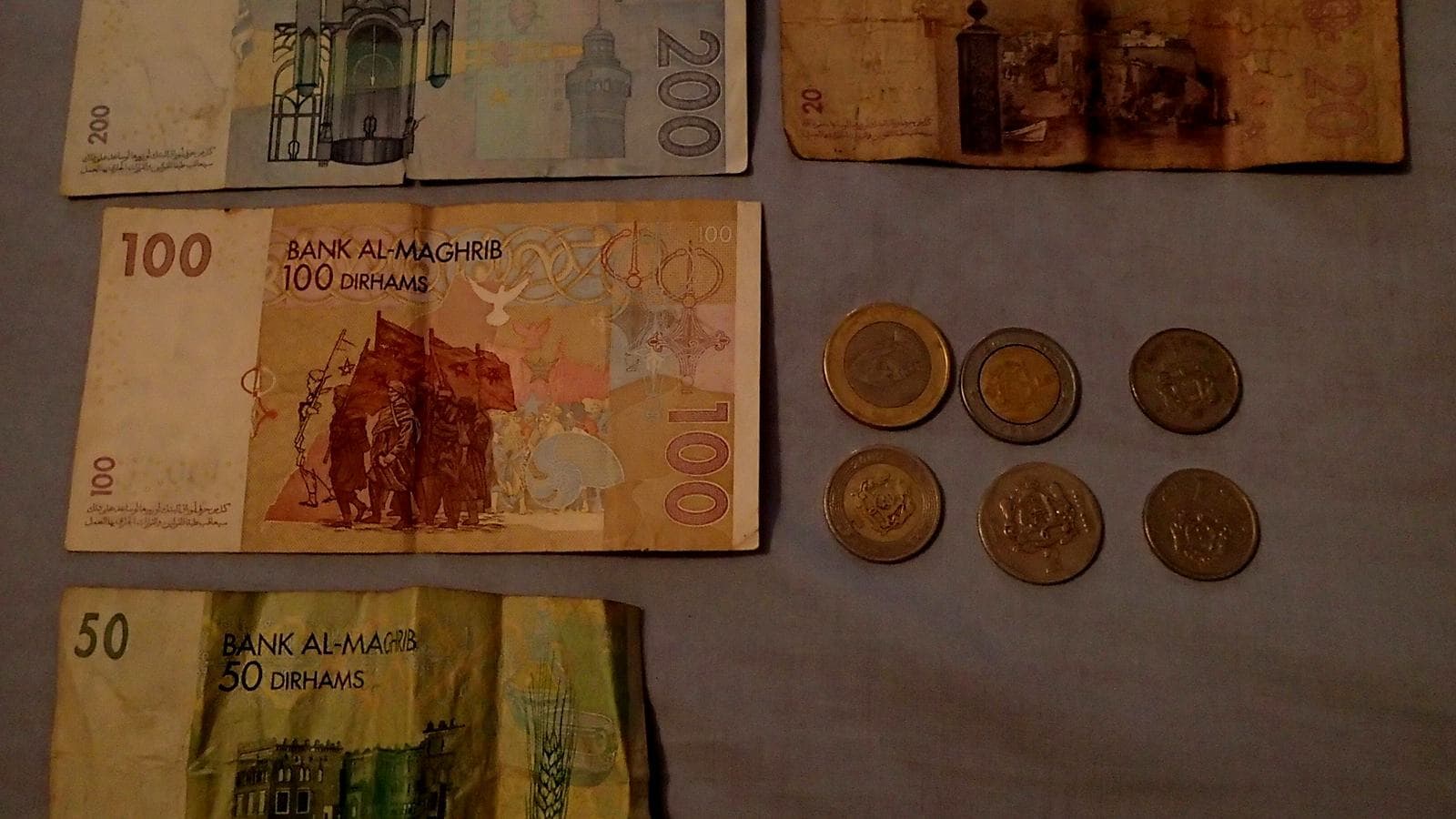
So, is Morocco safe? With a little preparation, absolutely. For the rest of your planning, read our Morocco travel tips for first-time visitors and our guide to money in Morocco.