Most Marrakech itinerary ideas you find online try to squeeze everything into two frantic days. Our advice, after driving a great many first-time visitors in from the airport, is the opposite: give the city three days, see a little less, and leave time to sit on a rooftop with a mint tea while the call to prayer rolls over the medina.
This Marrakech itinerary is built for a first visit. It keeps walking distances sensible, puts the busiest sights at the quietest hours and ends with a day out of the city.
Before you start: how Marrakech is laid out
Think of Marrakech as two cities. The medina is the walled old town: souks, palaces, riads and the great square of Jemaa el-Fnaa, most of it pedestrian and gloriously confusing. Outside the walls, the Ville Nouvelle — mainly Guéliz and Hivernage — has wide avenues, cafés, modern restaurants and the Majorelle Garden. Petits taxis link the two in ten minutes.
Download an offline map before you go. GPS works fine in the medina's lanes, even if it occasionally sends you through a dead end.
Day 1: the medina and Jemaa el-Fnaa
Morning — the souks. Start early, before 10 am, when shopkeepers are still setting up and the lanes are calm. Enter the souks from the north side of Jemaa el-Fnaa along Souk Semmarine, then drift towards the leather, lantern and dyers' souks, where skeins of freshly coloured wool hang to dry over the lane. Don't buy anything in the first hour. Look, compare and get a feel for prices.
Late morning — Ben Youssef Madrasa. This 16th-century Koranic school, restored and reopened in recent years, is one of the most beautiful buildings in Morocco: carved cedar, stucco and zellige tiles around a calm courtyard pool. Nearby, Le Jardin Secret is a restored riad garden that makes a perfect quiet break.
Afternoon — rest. Go back to your riad in the heat of the afternoon. Seriously. The medina is a lot to take in, and the evening is the main event.
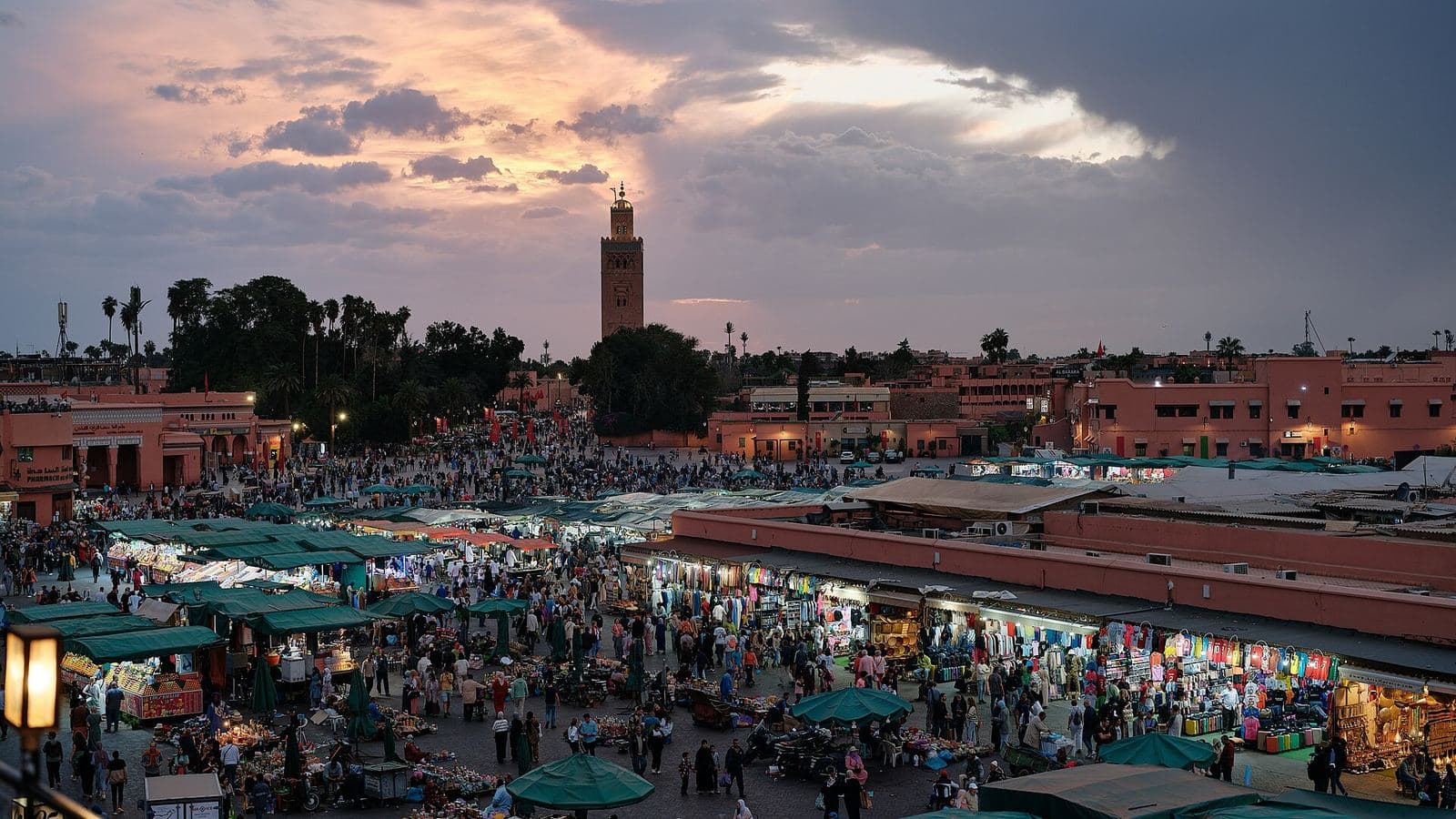
Evening — Jemaa el-Fnaa. The square changes completely at sunset. Musicians, storytellers and henna artists gather, and rows of food stalls fire up their grills. Watch it from a café terrace first, then eat at the stalls: grilled meat, harira soup, snails for the brave. A note on the snake charmers and the men with monkeys: they will expect money for any photo, and many visitors prefer not to encourage the use of animals at all.
Day 2: palaces, the Mellah and Majorelle
Morning — the southern medina. Walk to the Bahia Palace, a 19th-century vizier's residence with painted ceilings and courtyards of orange trees. Continue to the vast ruins of the El Badi Palace, where storks nest on the walls, and to the Saadian Tombs — go early, as the queue for the main chamber grows quickly. In between, wander through the Mellah, the old Jewish quarter, and its spice square.
Afternoon — Majorelle Garden and the Yves Saint Laurent Museum. Take a taxi to Guéliz for the cobalt-blue garden created by the painter Jacques Majorelle and later restored by Yves Saint Laurent and Pierre Bergé. Tickets are sold online for timed slots and often sell out days ahead in high season, so book as soon as you know your dates. The fashion museum next door is excellent even if you have no interest in fashion.
Evening — a hammam. End the day in a hammam. Neighbourhood public hammams are cheap and authentic but can be intimidating; spa hammams in riads and hotels offer the scrub and massage in a gentler setting. Either way, you will sleep very well.
Day 3: out of the city
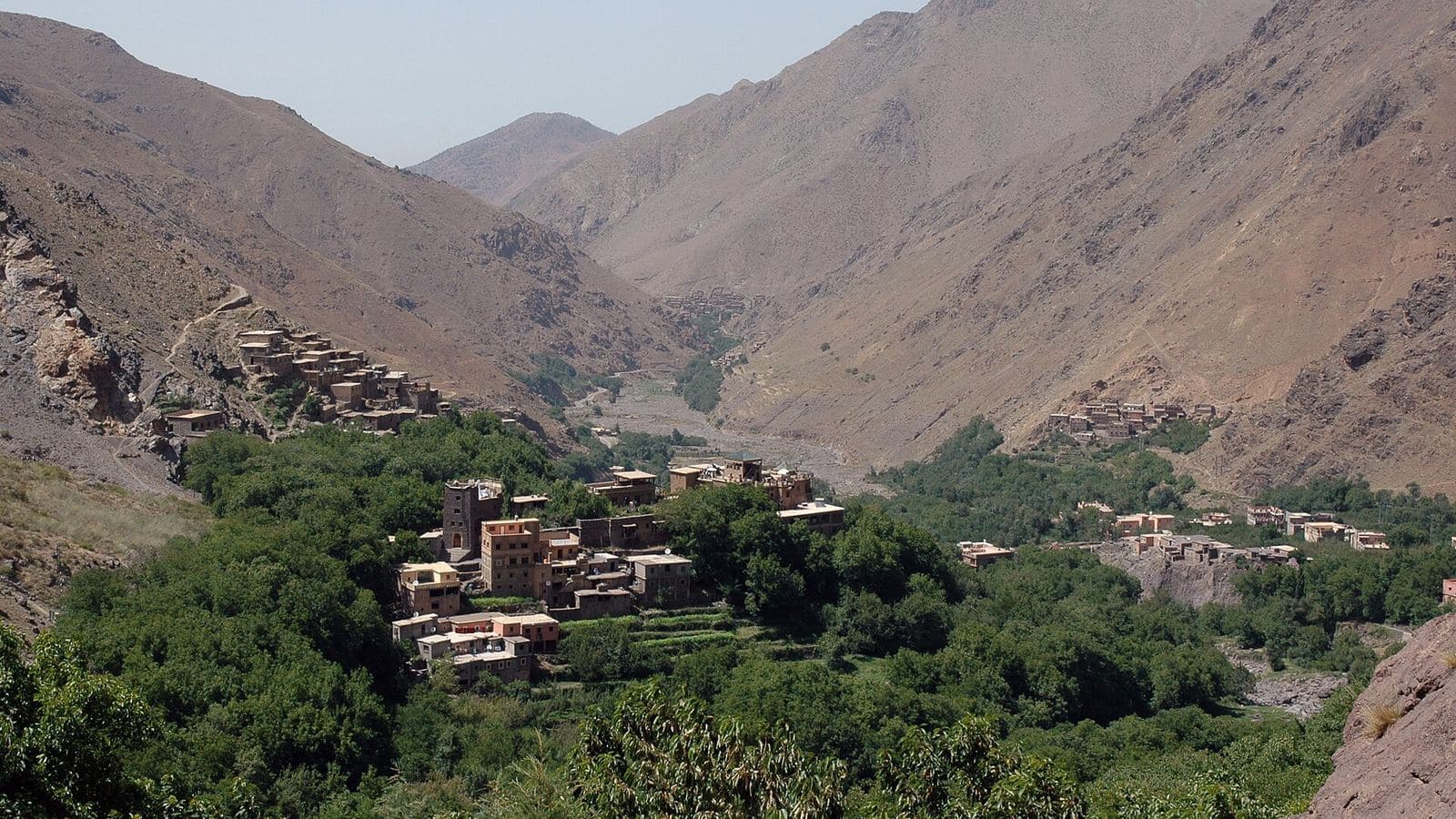
After two days of medina, the best thing you can do is leave it for a day. Our favourite easy escape is the Ourika Valley, about an hour and a quarter south, where the High Atlas begins: Berber villages, a river lined with little restaurants and a walk up to the Setti Fatma waterfalls. Our private Ourika Valley day trip picks you up at your riad and goes at your pace; we describe it hour by hour in our Ourika Valley guide.
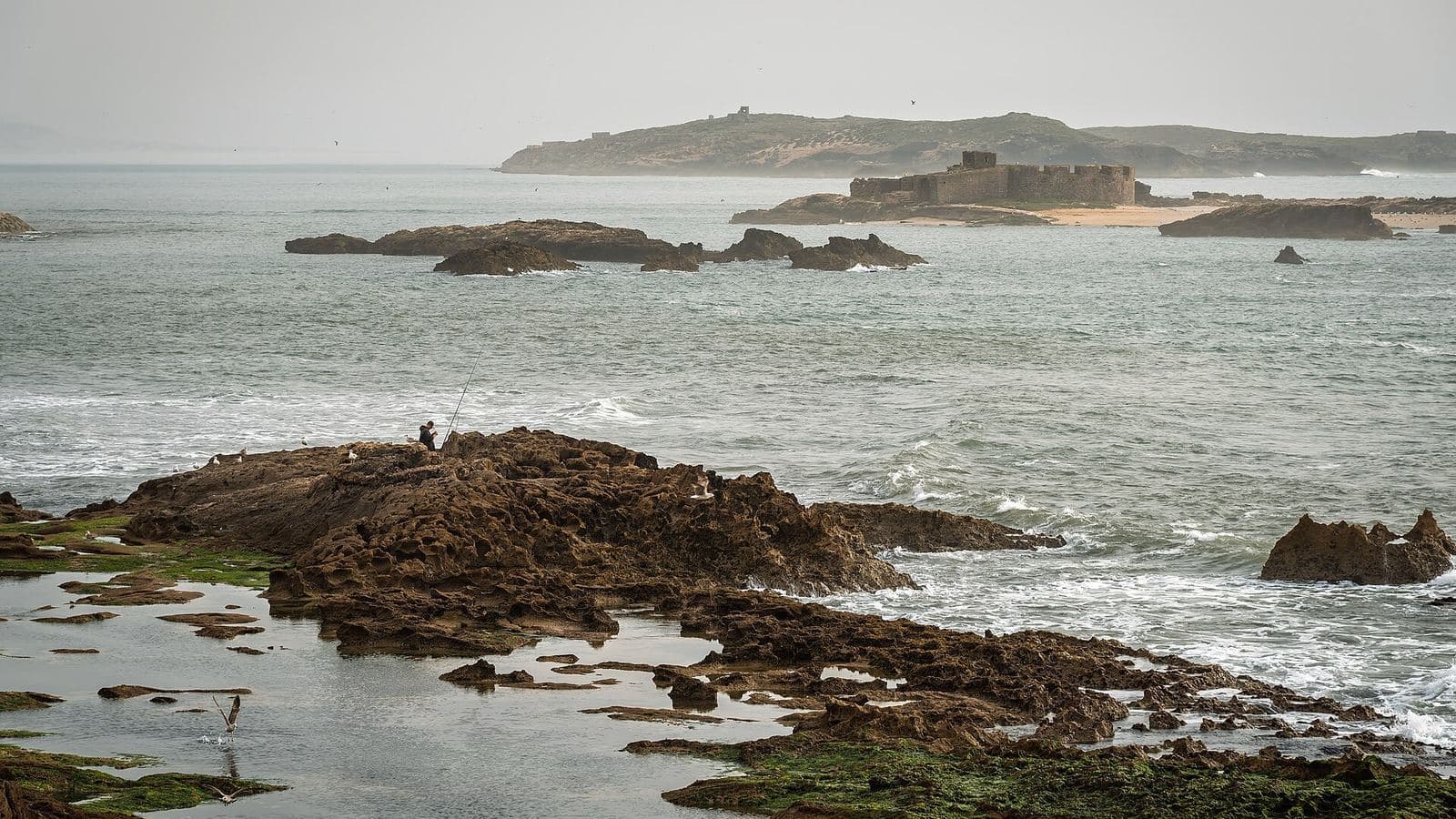
Prefer the ocean? Many guests use the third day to move on instead, with a transfer to Essaouira — two and a half hours to the Atlantic.
Street-smart tips for your first visit
- "The square is closed" / "The tannery is this way". Friendly strangers offering directions you didn't ask for usually expect a fee at the end, or lead you to a shop. A smile and a firm "no thank you" works.
- Henna. Women in the square may take your hand and start a henna design before you have agreed to anything, then ask for a large sum. Keep your hands to yourself unless you want one, and agree the price first.
- Taxis. In town, petits taxis should use the meter; there is a night surcharge after 8 pm. If the driver refuses the meter, agree the price before you get in or take the next one.
- Haggling. It is expected in the souks, not in restaurants or fixed-price shops. Stay friendly; walking away politely is part of the game.
- Friday lunchtime. Many shops close for the midday prayer. Plan a museum or garden then.
- Dress. Light, loose clothing that covers shoulders and knees makes the medina more comfortable, especially for women, and is respectful.
Getting in and out: fitting transfers into your Marrakech itinerary
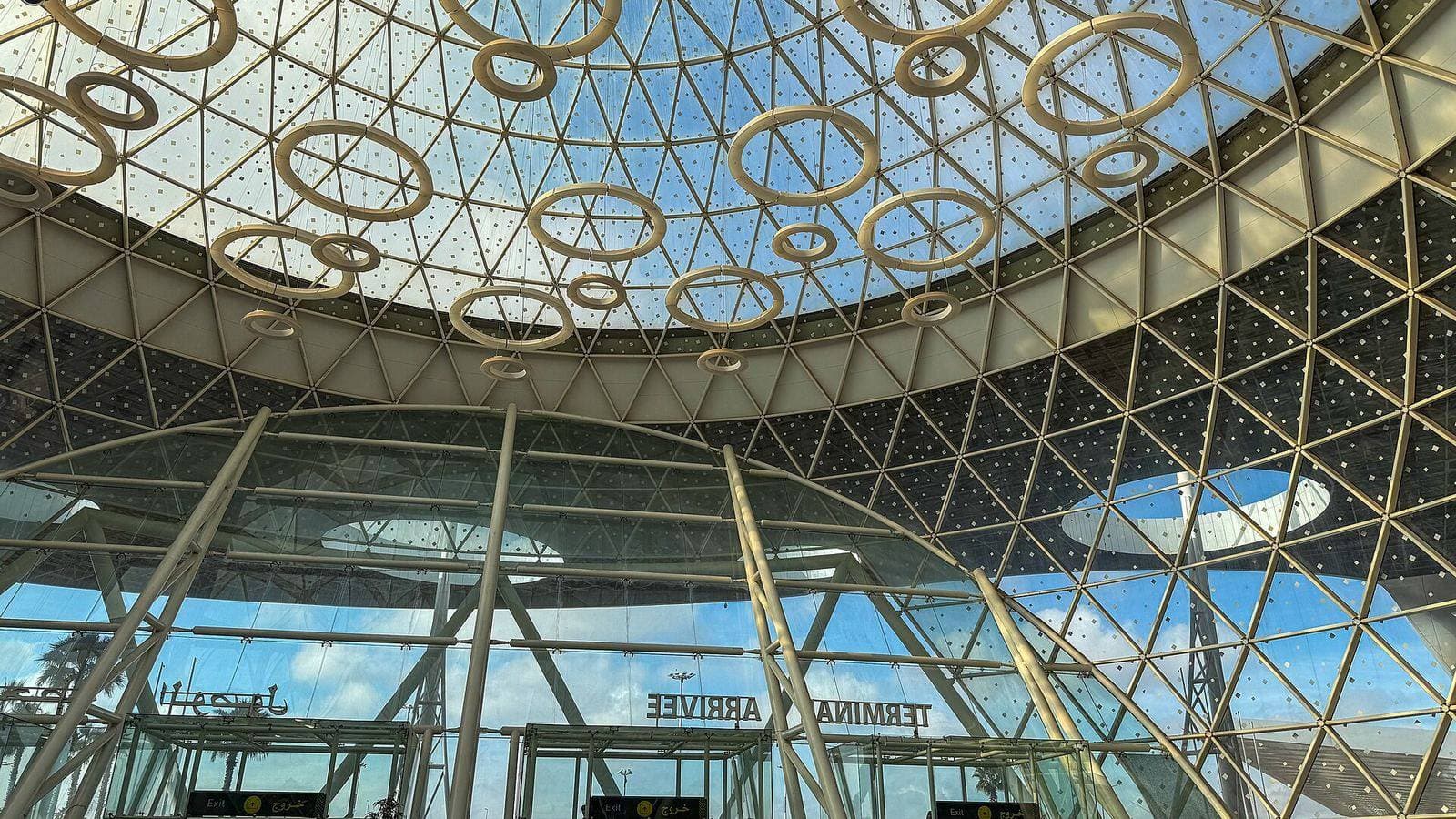
Arriving by plane? Our Marrakech airport transfer guide explains exactly how to reach a riad inside the medina, and you can book the airport pickup from €20 per vehicle. When it is time to move on, we drive every day to Essaouira, Agadir and over the Atlas to Ouarzazate.
Three days will not show you all of Marrakech. They will show you enough to understand why so many people come back.