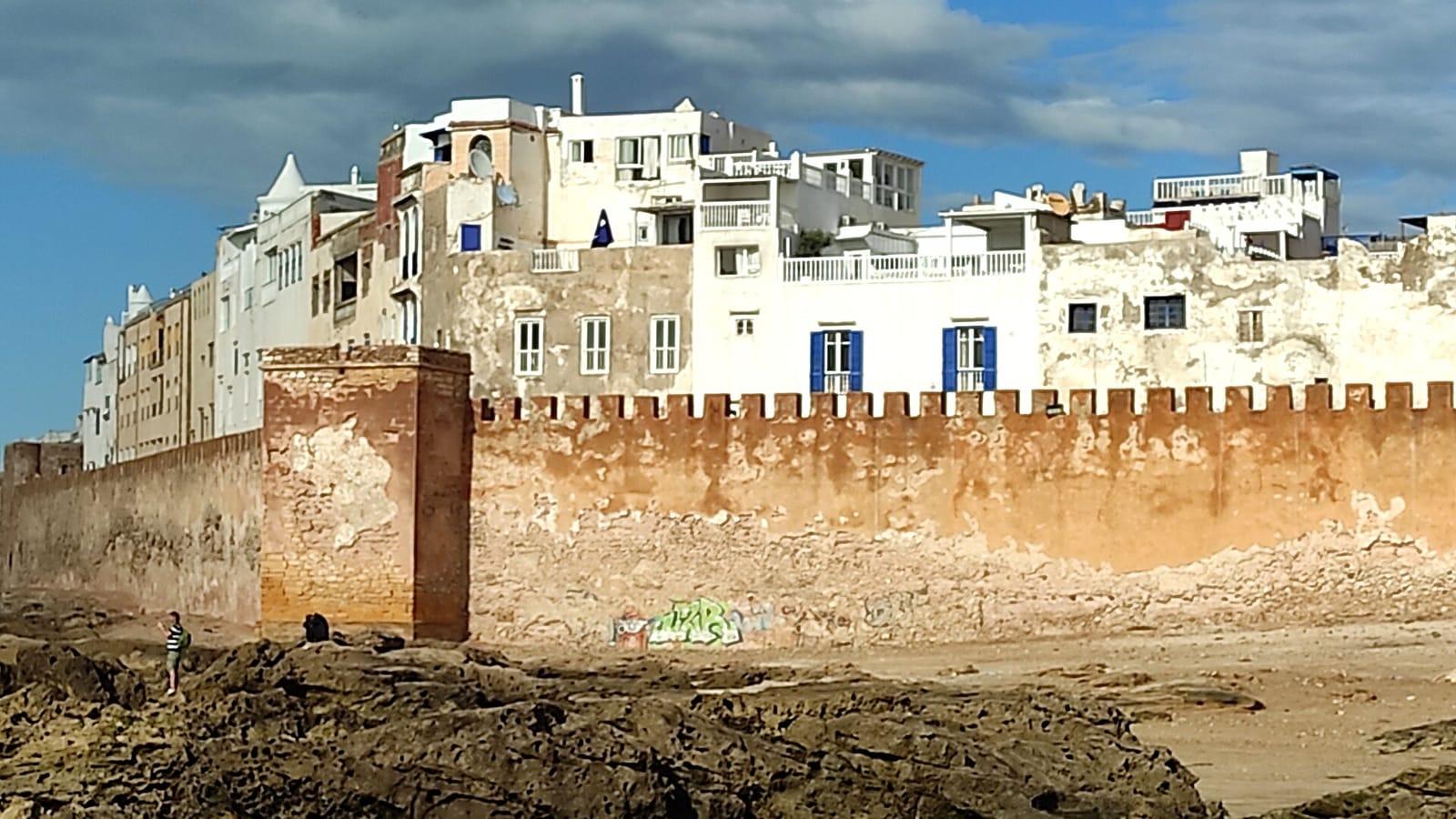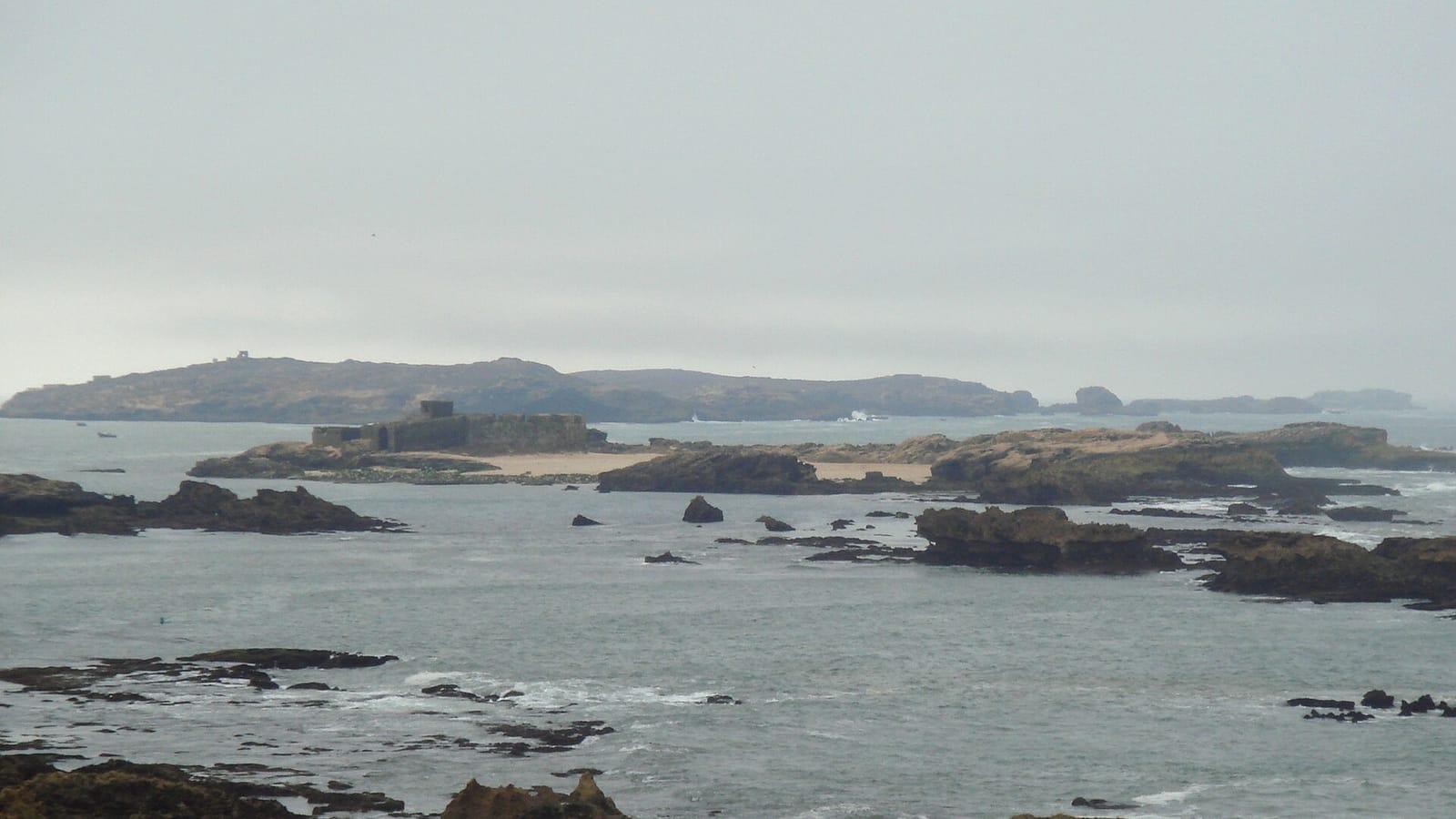
From the ramparts of Essaouira, you see it every evening: a low, rocky island a kilometre and a half offshore, ringed with surf, with a few ruined walls and a minaret silhouetted against the sunset. Mogador island gave its name to the town for centuries, and it holds one of the longest stories on Morocco's Atlantic coast — from Phoenician sailors to Roman-era dye makers, from a 19th-century naval battle to a sanctuary for rare falcons. Here is that story, and how to enjoy the island without setting foot on it.
The Purple Isles: a small archipelago with a big name
Mogador island is the largest of a small group of islets that close the bay of Essaouira to the south-west. Since Antiquity they have been associated with the Insulae Purpurariae — the "Purple Isles" — mentioned by the Roman writer Pliny the Elder. Today the French name îles Purpuraires is still used for the archipelago.
Phoenician sailors at the edge of the known world
Around the middle of the 7th century BC, Phoenician navigators sailing south from the Strait of Gibraltar set up a seasonal trading and production post on the island. Excavations — first by French archaeologists in the 1950s, then by a Moroccan–German team from the 2000s — have uncovered red-slip pottery, transport amphorae, Phoenician graffiti scratched on vessels and a sacred standing stone. Mogador island is one of the southernmost Phoenician sites known on the Atlantic coast of Africa.
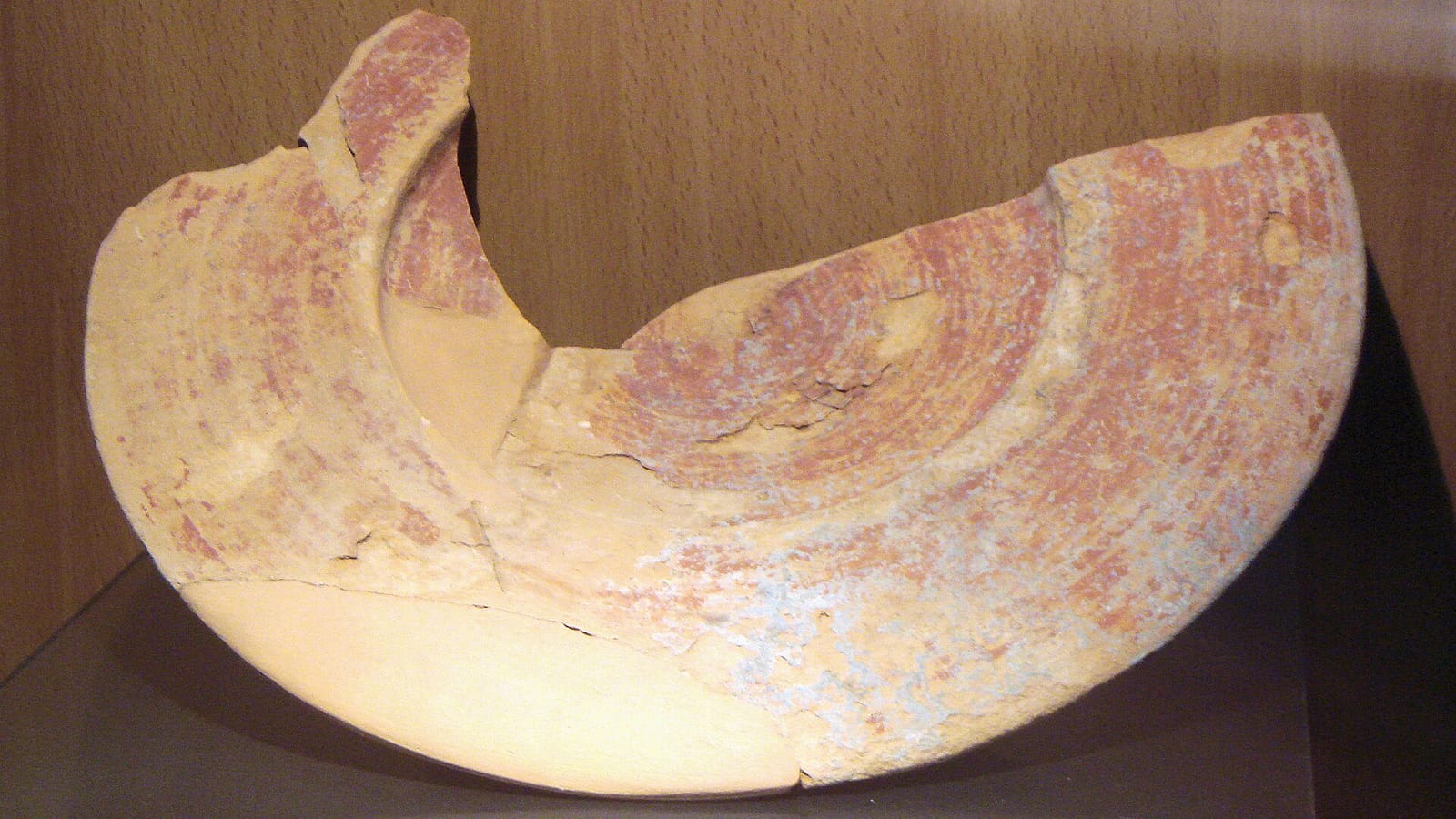
What were they looking for? Probably trade with local communities — ivory, hides, perhaps gold from further south — and the rich fishing grounds of the Atlantic. The sheltered bay offered a safe anchorage, exactly what later made Essaouira a great port.
Juba II and the royal purple
A few centuries later, at the turn of our era, Juba II, king of Mauretania, a scholar raised in Rome, developed a remarkable industry here: the production of purple dye from sea snails. Pliny credits him with the "Gaetulian purple", a colour worth a fortune, reserved for the elite of the Roman world. Thousands of crushed shells and remains of buildings from this period have been found on the island, together with traces of a Roman-era residence.
Fortresses, cannons and a battle
The island's strategic position never stopped attracting powers. In the early 16th century the Portuguese built a fortress on this coast, the Castelo Real de Mogador. After the founding of Essaouira in the 1760s, the island became part of the town's defences, with a fort, a mosque and later a prison and quarantine buildings, whose ruins are still visible from the shore.
In August 1844, during the Franco-Moroccan war, a French squadron bombarded Mogador and landed troops on the island — an episode painted and engraved at the time, and remembered as the Battle of Mogador.
A sanctuary for Eleonora's falcons
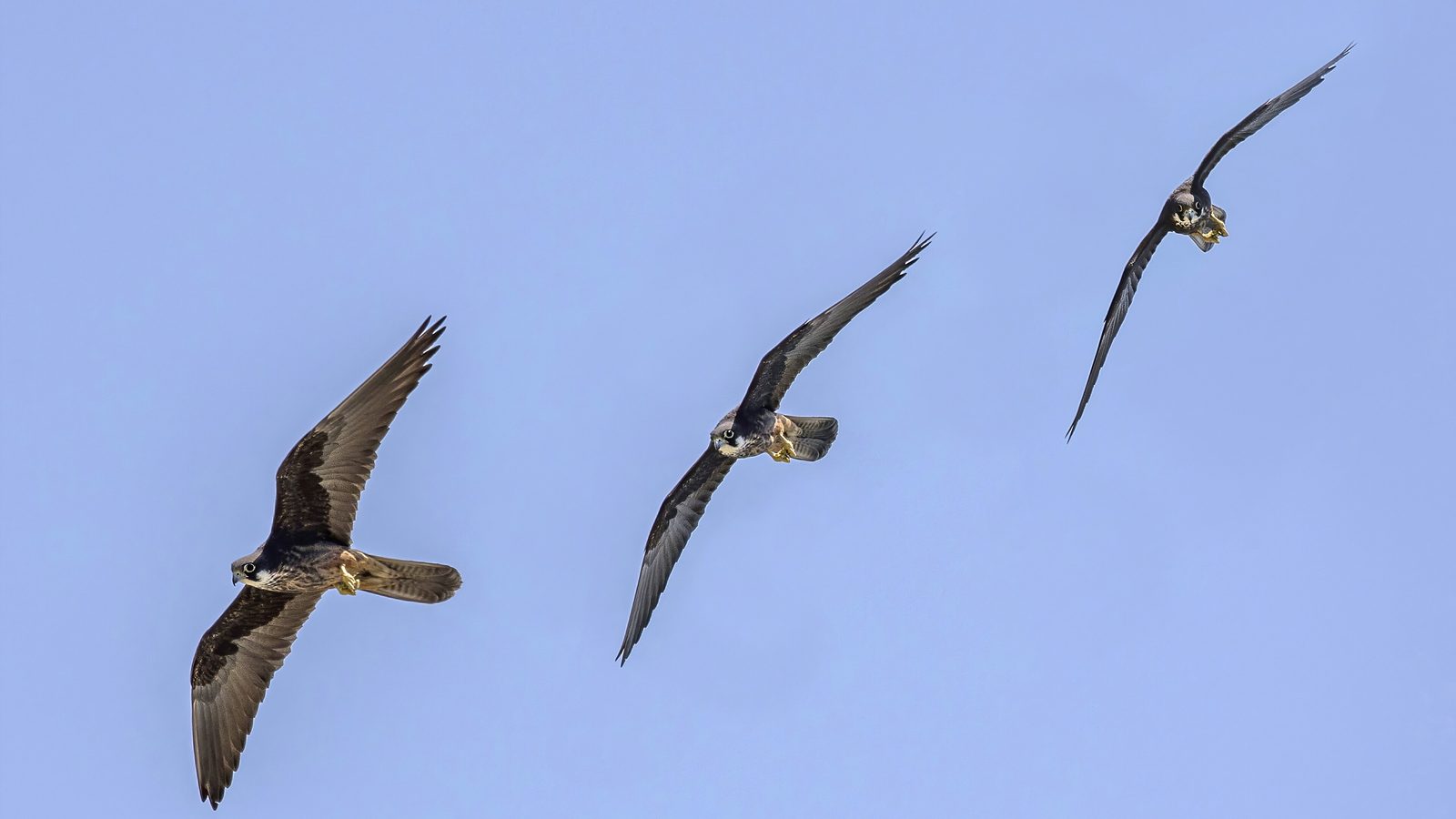
Today Mogador island is a protected nature reserve. Each summer it hosts one of the important breeding colonies of Eleonora's falcon, an elegant raptor that nests late in the season to feed its chicks on migrating songbirds. Seabirds, gulls and cormorants complete the picture.
To protect the birds and the archaeological remains, landing on the island is not permitted without special authorisation. Beware of any offer of a "trip to Mogador island": it is not legal for visitors.
The best places to admire Mogador island
- The Skala du Port — the harbour bastion offers a direct view across the water, perfect at sunset.
- The beach — walk south along the bay, or enjoy a camel ride at sunset or a horse ride on the beach with the island always in view.
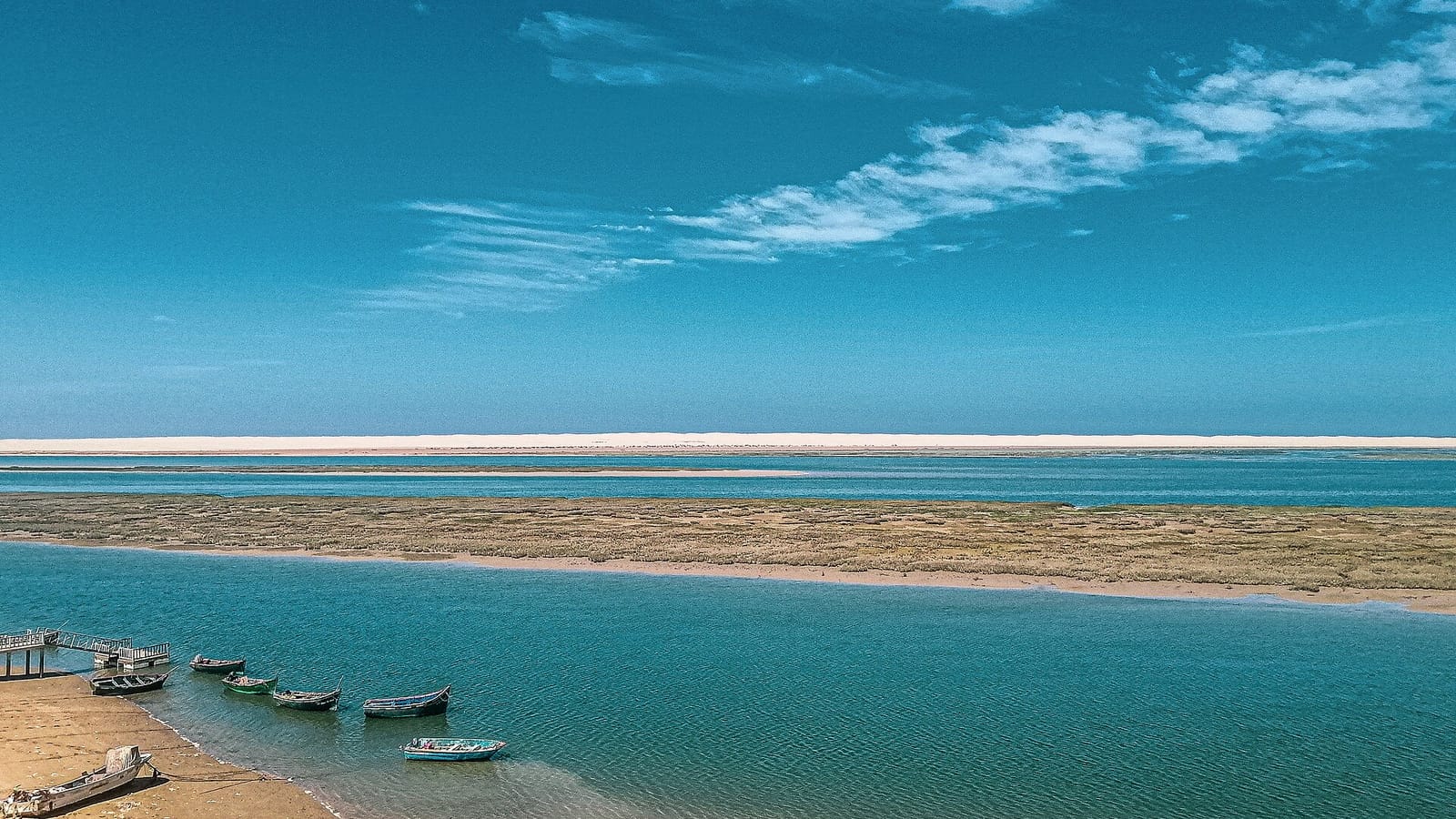
- Diabat and the Ksob estuary — from the dunes south of the river mouth, the islands line up on the horizon.
- With binoculars — a birdwatching outing with a local expert is the best way to watch the falcons hunting over the bay in summer and early autumn; read our guide to birdwatching in Essaouira.
Mogador island in the long history of Essaouira
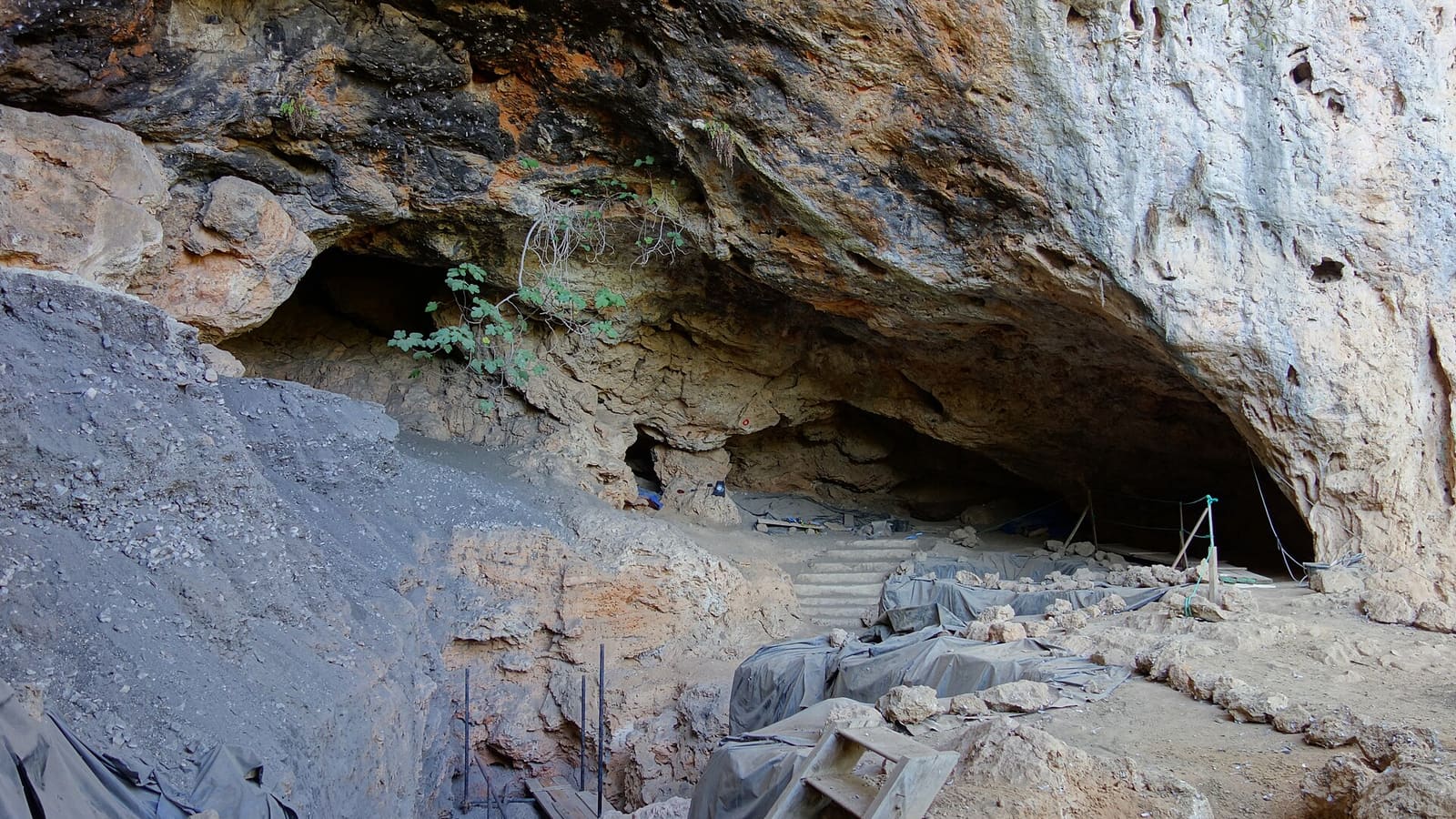
The island is one chapter in a story that starts much earlier and continues on the mainland. Fifteen kilometres inland, Bizmoune cave has yielded the world's oldest known shell beads, more than 142,000 years old. And the 18th-century town that took over the name Mogador is today a World Heritage site — discover why in our guide to the medina of Essaouira. For the national picture, read our overview of archaeology in Morocco.
Practical tips
- Best light: late afternoon, when the sun sets behind the islands.
- Best season for falcons: from late spring to October.
- Bring: binoculars or a zoom lens, and a windproof jacket — the trade winds are strong in summer.
- Combine: the Essaouira half-day excursion takes you to Diabat and the argan route, and the Essaouira & Atlantic coast circuit adds Sidi Kaouki and the countryside.
Getting there
Essaouira is about 2 h 30 from Marrakech by private transfer, and 20 minutes from Essaouira-Mogador airport with an airport transfer. Staying in Diabat or Ghazoua, near the best viewpoints? Book the airport transfer to Diabat & Ghazoua. For any tailor-made heritage route, contact us — we will drive, you will look at Mogador island with new eyes.