Behind every thuya box and silver bracelet sold in Essaouira there is a workshop, often a few streets from the shop. Meeting Essaouira artisans at work — in the vaulted workshops of the Skala, in the cooperatives of the Argana complex or in the villages around the city — is the best way to understand the town's living heritage, and to bring home objects with a story.
This guide explains where to see them, what makes each craft special and how to visit respectfully.
Essaouira artisans: a living heritage
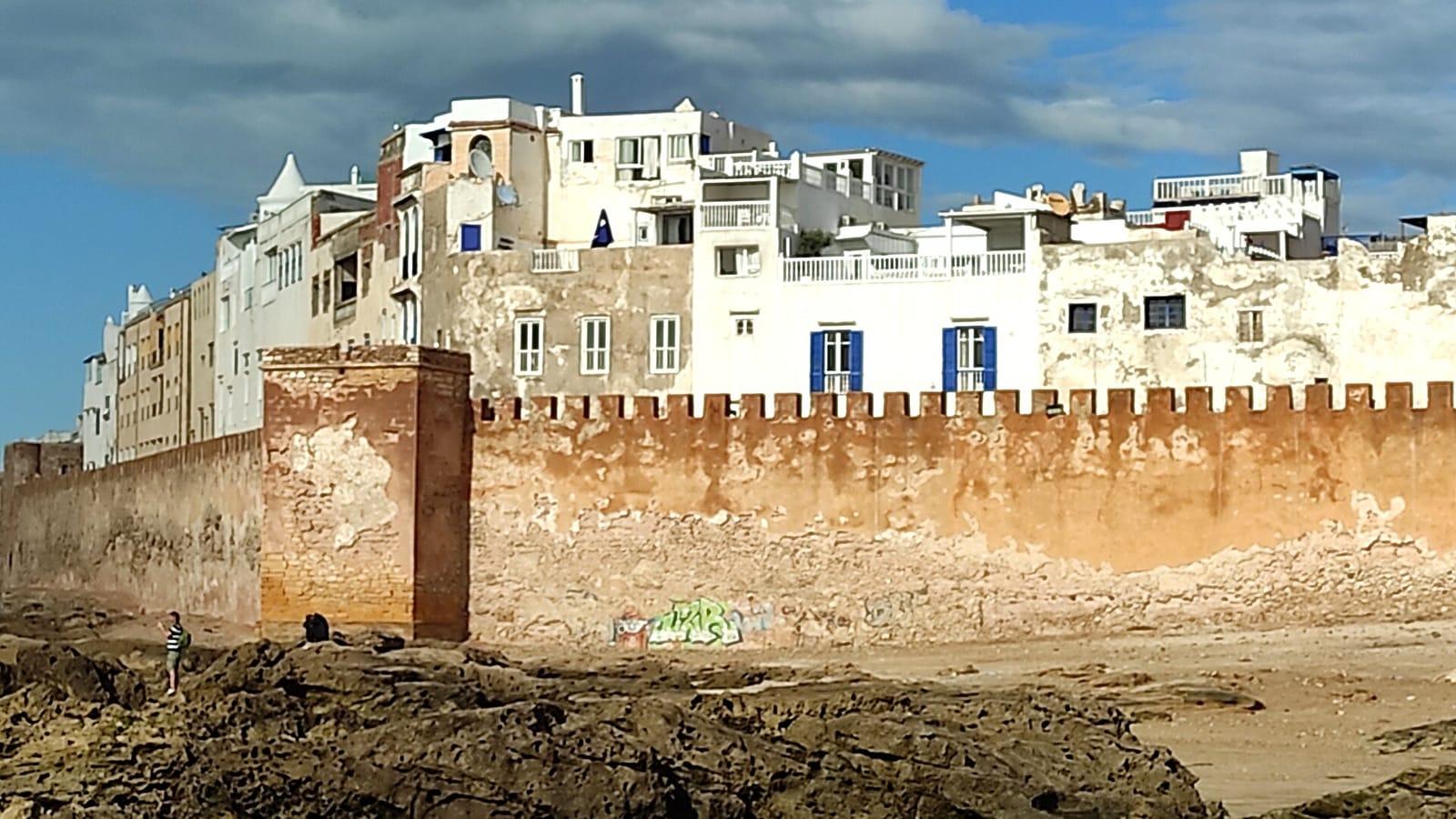
Essaouira was founded in the 1760s by Sultan Sidi Mohammed ben Abdallah as a royal port open to European trade. Merchants and craftsmen — Muslim and Jewish — settled inside its new walls, and the town became known for its woodwork, its silver and its textiles. Its medina, listed as a UNESCO World Heritage Site in 2001, still lives from these trades: read more in our guide to the medina of Essaouira and its UNESCO listing.
Today, three places let you see the crafts being made: the Argana complex outside the walls, the Skala workshops inside them, and the cooperatives of the argan countryside.
The Argana integrated handicraft complex
Inaugurated by King Mohammed VI in 2020, the Argana integrated handicraft complex is a project of about 18.5 million dirhams built to give Essaouira artisans, and those of the whole province, proper workshops and a place to sell. It brings together:
- production workshops, where you can watch the artisans at work;
- exhibition and sales halls for handmade products;
- a vocational training centre in traditional arts, where about half of the trainees are women;
- the shops of twenty cooperatives, often with displayed prices.
The crafts on show include traditional sewing, embroidery and weaving, thuya woodwork and wood carving, carpets, plant-fibre work and Deg Souiri jewellery. In December 2024, more than forty women artisans from cooperatives across the province trained there in sfifa braiding and in dyeing plant fibres.
On 20 November 2026, the Minister Delegate in charge of Handicrafts and the Social and Solidarity Economy, Abdeljabbar Rachidi, visited the complex and met its artisans; he announced the aim of strengthening it as a crafts hub and opening it more widely to young people's projects in music and the visual arts. The complex is in the Argana district, outside the medina walls — a short petit-taxi ride from the old town, as explained in our taxi guide.
Deg Souiri: Essaouira's silver jewellery
Deg Souiri is the name of Essaouira's traditional silver jewellery: bracelets, pendants, earrings and brooches shaped by hammering and decorated by hand engraving. For generations, silversmithing in the town was closely associated with the Jewish craftsmen of the mellah — a heritage told in our guide to the Jewish heritage of Essaouira. Their Muslim apprentices and successors carried the technique on.
To keep it alive, a nine-month qualifying training programme was launched in Essaouira in 2024 for twelve young apprentices, nine of them women, under the guidance of a master craftsman. In the cooperative workshops, you may see apprentices at their benches, and some silversmiths offer short introductions — ask on site.
The thuya workshops of the Skala
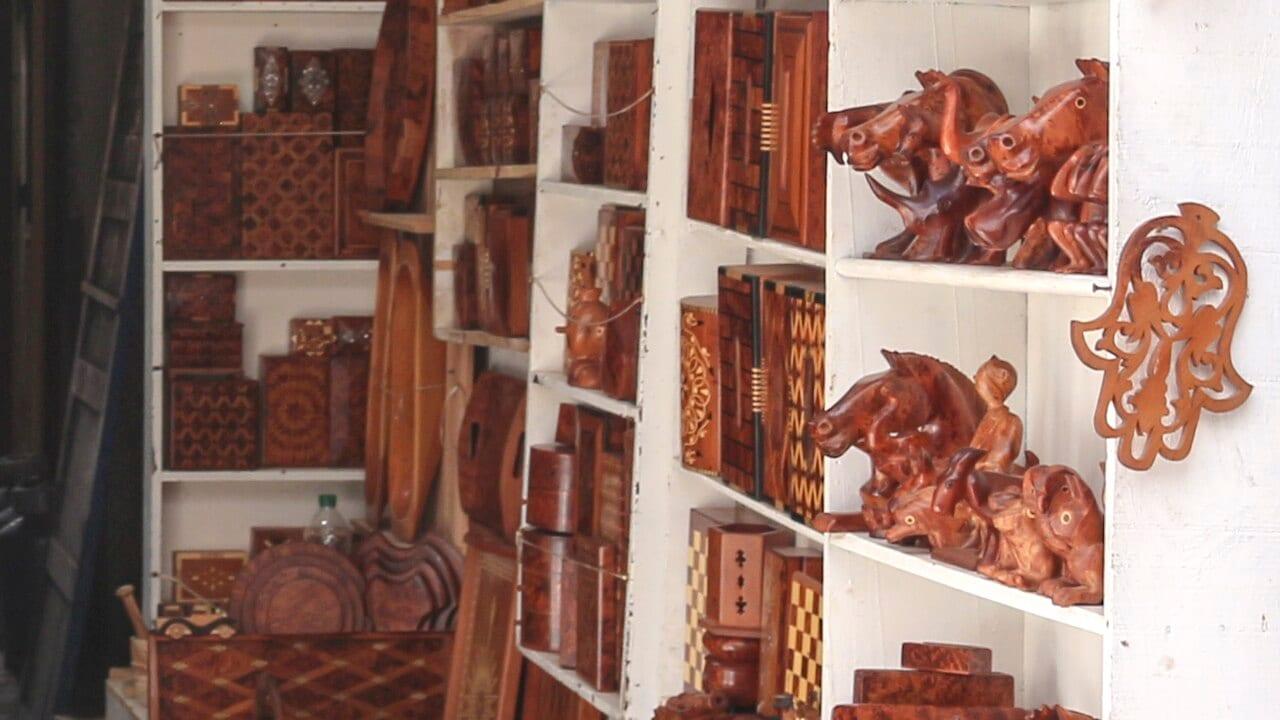
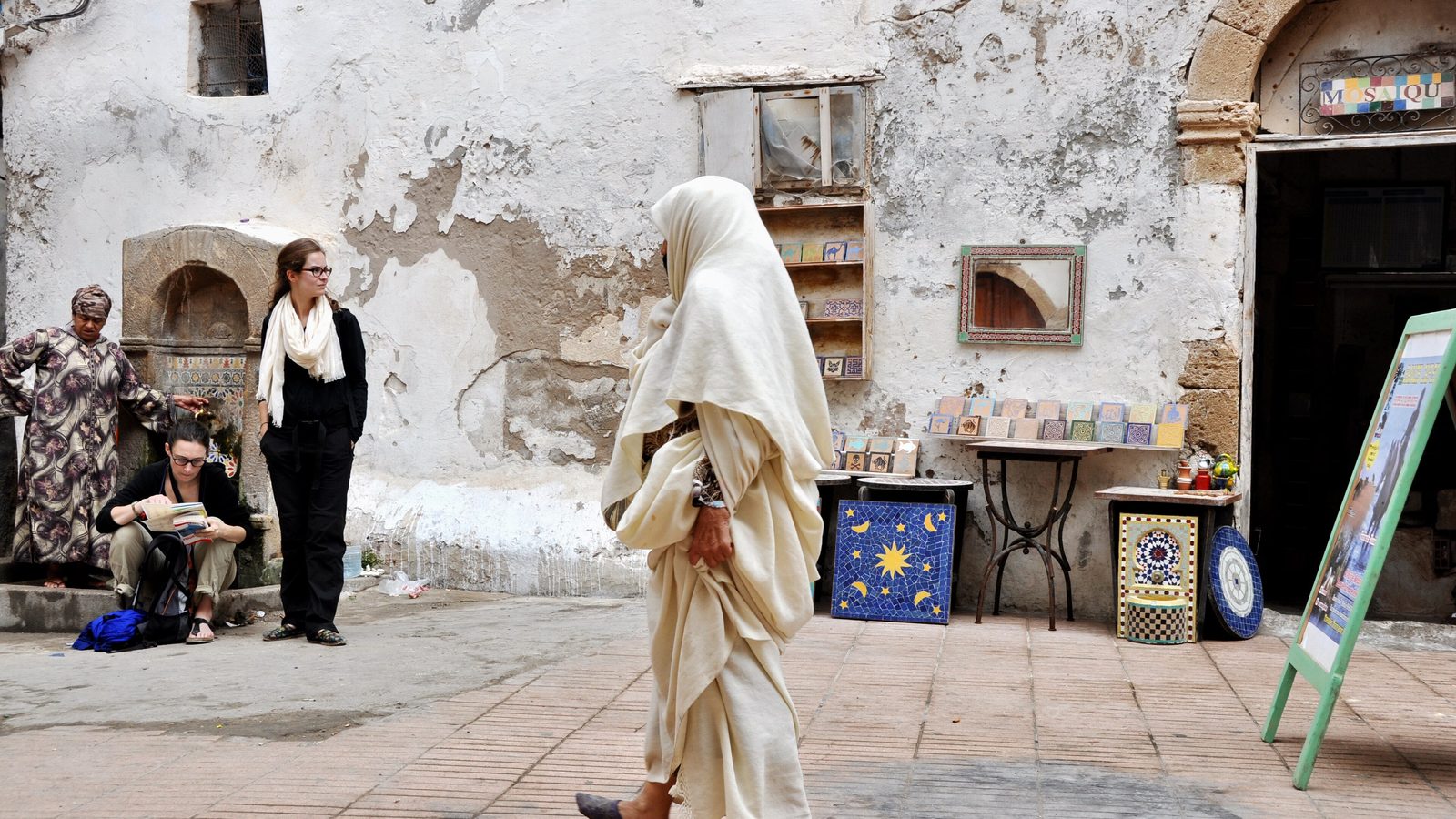
Inside the medina, the woodworkers have their workshops under the vaults of the Skala de la Ville. There you can follow the whole process: the raw burl of the thuya tree drying in a corner, the saw and the lathe, the fine inlays of lemonwood and ebony, and the long polishing that reveals the patterns. Our thuya wood guide tells the story in detail, and you can request a hands-on thuya marquetry workshop — about an hour and a half, ideal for families.
Weavers, embroiderers and argan women
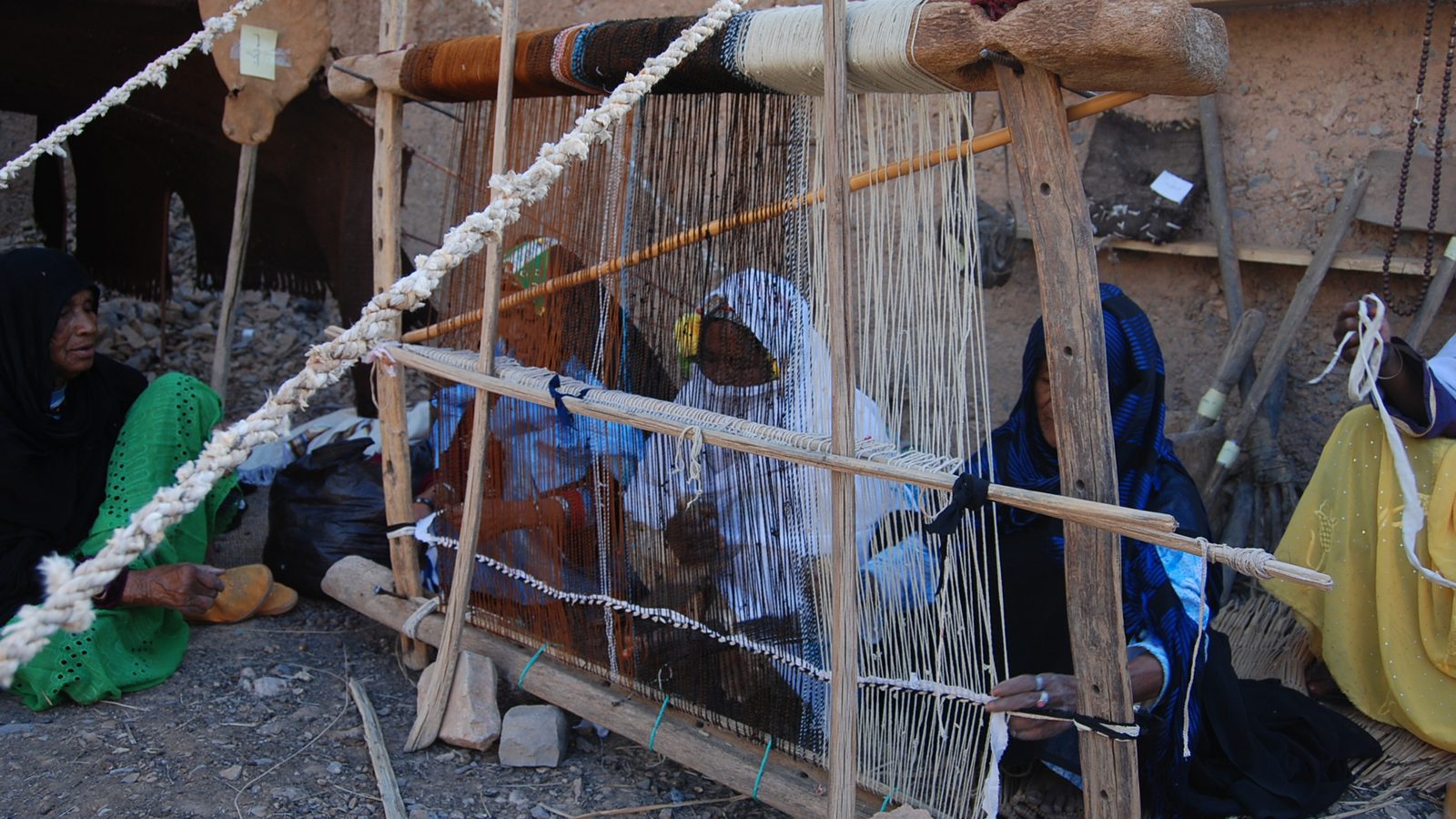
Outside the city, the province of Essaouira is a land of cooperatives. Women weave rugs and blankets on vertical looms, braid palm fibre into baskets and mats, and crack argan nuts by hand to make oil, soaps and amlou. Visiting a cooperative is a lovely half-day: our argan cooperative guide explains how the oil is made, and our half-day private excursion includes a stop at a women's cooperative near Diabat.
Visiting workshops respectfully
- Ask before taking photos, especially of people; most artisans are happy to be photographed if you ask.
- Buy directly when you can. In cooperatives, the money goes to the makers; at the Argana complex, prices are often displayed.
- Do not touch tools or pieces in progress, and keep children close in workshops with saws and lathes.
- Avoid Friday midday, when many workshops close for the main prayer.
- Ignore unofficial guides offering to take you to a "cooperative": they are usually paid a commission. Our guide to what to buy in Essaouira gives more tips on quality and prices.
A one-day trail to meet Essaouira artisans
- Morning: the Argana complex, when the workshops are busiest.
- Lunch: grilled fish at the port.
- Afternoon: the Skala workshops, then the jewellers and the streets of the mellah.
- Sunset: the ramparts — see our medina walking guide.
In late November 2026, add the national handicraft exhibition (23–29 November): our Essaouira handicraft fair guide has the details.
Getting there with Rouasse Travels
Rouasse Travels drives you to Essaouira and around it at fixed prices per vehicle, not per person: Marrakech → Essaouira in about 2 h 30 from €100 for 1–3 passengers (€130 for 4–7, €190 for 8–17), the airport → medina transfer from €20, Essaouira → Agadir from €100, and private excursions into the argan countryside from €80 for the half day. Prices at the time of writing.
Want to meet Essaouira artisans in their workshops? Book on our booking page or contact us on WhatsApp: we confirm within 24 hours.