The desert has a way of exposing bad packing: a jacket left in the suitcase when the night turns cold, sandals that fill with sand, a phone battery that dies just before sunset. Knowing what to pack for the Sahara makes the difference between a trip you endure and one you enjoy.
Here is our checklist, built from the questions travellers ask us most often.
First: how luggage works on a desert tour
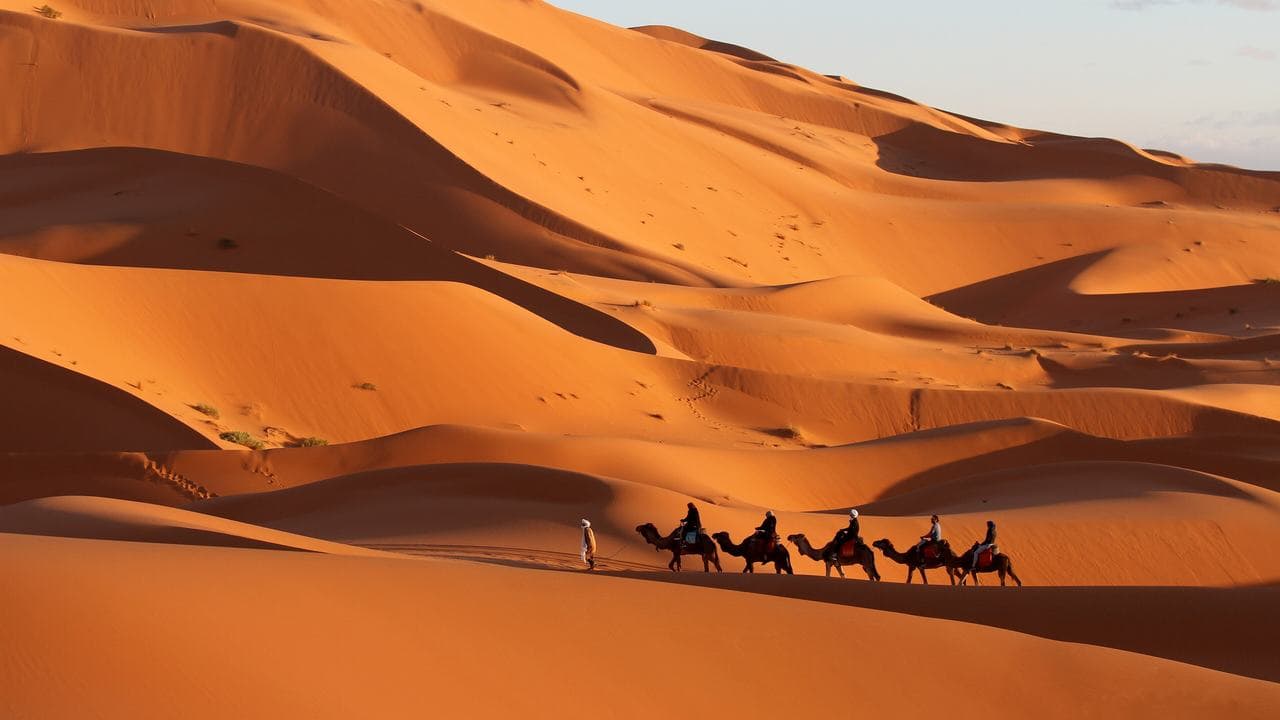
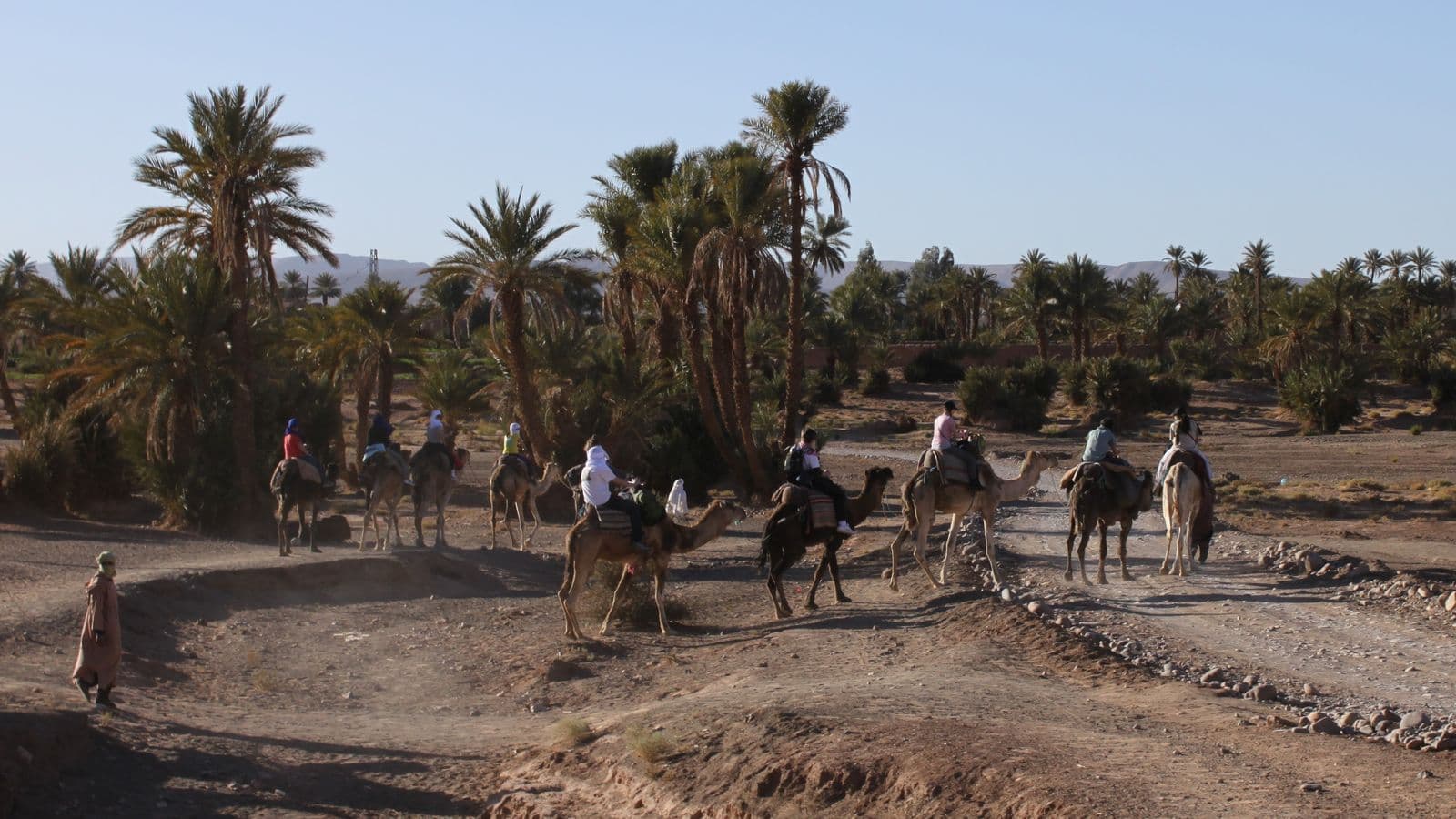
On our private circuits, your suitcase travels with you in the vehicle every day, so you can bring a normal amount of luggage. The only exception is the night in the desert camp: you usually ride a camel to the camp and keep only a small overnight bag (or a daypack) with you. Big suitcases either stay safely in the vehicle or are driven to the camp separately. Pack that small bag the morning before.
Clothing: layers are everything
- Light, loose, long-sleeved tops in breathable fabric (cotton, linen) to protect from the sun.
- Long trousers — essential for camel rides, and respectful in villages.
- A warm fleece or down jacket for evenings and nights, all year except high summer.
- A hat, a beanie and gloves from November to March: desert nights can be close to freezing.
- A light waterproof in spring, when showers are possible in the mountains.
- Swimwear if your hotels have a pool, or if you continue to the coast.
- Modest outfits for villages and towns: shoulders and knees covered. Our what to wear in Morocco guide has more details.
The scarf (chèche): your best friend
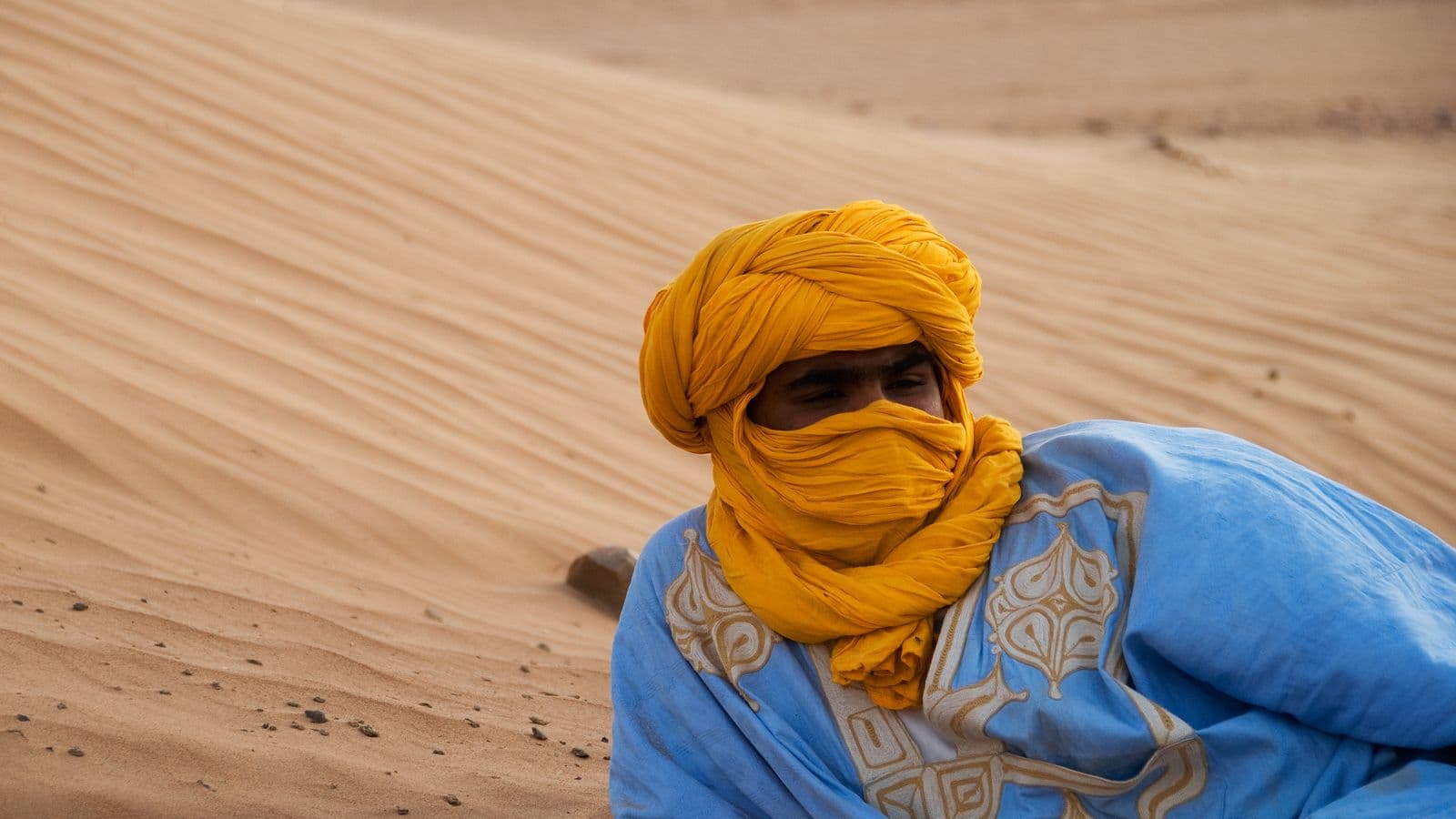
A long cotton scarf wrapped around the head and face protects you from sun, wind and sand. You can buy one in Merzouga, Rissani or any souk for a few euros, and your driver or cameleer will happily show you how to tie it. It also makes a great souvenir.
Shoes
- Comfortable closed shoes or trainers for walks in the gorges and villages.
- Sandals that strap on firmly for the dunes — or walk barefoot on the sand, which is soft and warm in the evening.
- Light hiking shoes if you plan to hike in the Todra or the Atlas.
Sun protection
- Sunglasses with good UV protection — the light on the sand is intense.
- High-factor sunscreen and lip balm.
- A refillable water bottle: drink regularly, even when it is not hot.
Electronics
- A power bank: most camps run on solar power and charging can be limited.
- A head torch for the camp at night and dark kasbah corridors.
- A plug adapter (Morocco uses European two-pin sockets, 220 V).
- Zip bags to protect your phone and camera from fine sand.
- A phone strap so you do not drop your phone from a camel.
Note that drones are restricted in Morocco and may be held at customs on arrival without prior authorisation, so leave yours at home.
Health and hygiene
- Your usual medication, plus something for upset stomachs and motion sickness (the mountain roads are winding).
- Rehydration salts, plasters and hand sanitiser.
- Wet wipes and tissues — handy in the desert and at roadside stops.
- Moisturiser and eye drops: the desert air is very dry.
Money and documents
- Your passport (hotels and camps register guests).
- Cash in dirhams, in small notes: card payment is rare in villages and camps. Our money in Morocco guide explains ATMs and tipping.
- A copy of your travel insurance.
Season by season
- Winter (December–February): warm jacket, beanie, gloves, thermal layer for the night.
- Spring and autumn: fleece for the evening, light layers for the day, scarf against the wind.
- Summer (June–September): very light clothing, hat, extra water, a light layer for air-conditioned vehicles.
Our best time to visit the Sahara guide explains what to expect each month.
What to pack for the Sahara with children
Children feel the cold at night and the sun during the day even more than adults, so add a warm pyjama or sleeping layer, a sun hat with a neck flap, children's sunscreen and their own small scarf. A few sand toys (a bucket, a spade, a frisbee) turn the dunes into the biggest playground they have ever seen. Bring snacks they like for the road, a favourite cuddly toy for the camp night and some motion-sickness remedies suitable for their age. Our family desert guide has more ideas.
What not to bring
- Heavy jewellery and valuables you do not need.
- Plastic bags: they are banned in Morocco — bring a reusable tote.
- Too many clothes: laundry is possible in many riads.
The small bag for the desert night
When you decide what to pack for the Sahara, keep a separate small bag for this night. Pack: warm layer, beanie, toothbrush and toiletries, head torch, power bank, phone, medication, a change of underwear and socks, scarf and sunglasses. That is all you need.
Ready to go?
Now that you know what to pack for the Sahara, choose your route: our 4-day Merzouga tour, the Zagora desert tour or a longer circuit from our guide to multi-day tours from Marrakech. Read our desert camp guide too, then send us your dates on WhatsApp.