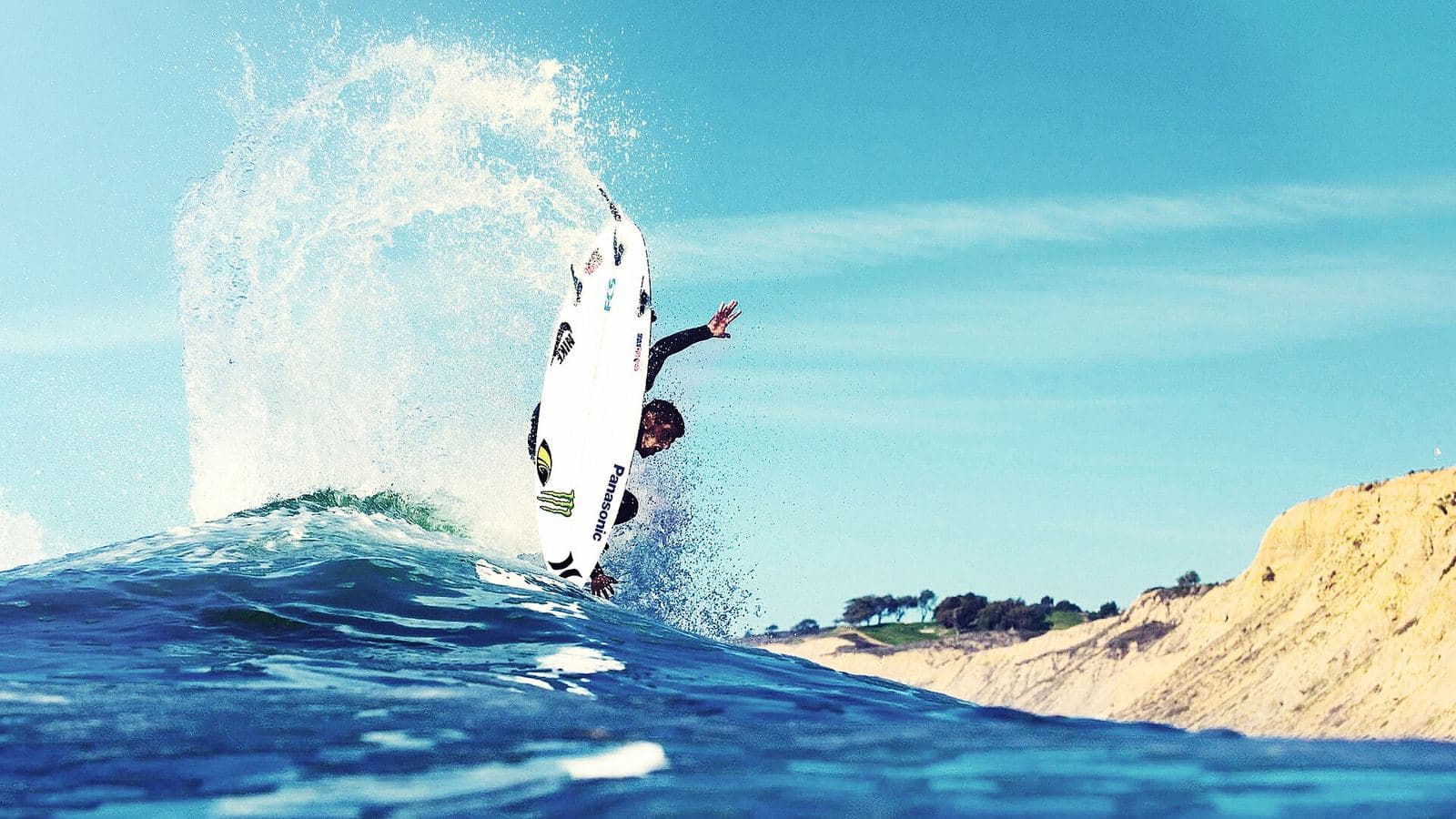
We carry a lot of surfboards. Between October and April, it is normal for our vans to leave Marrakech airport with the back full of board bags and a row of passengers who have been checking swell charts on the plane. Surfing in Morocco has become one of the great winter escapes for Europeans — only a few hours' flight from London, Paris or Berlin — and more and more surfers from the US and Canada now add it to a Moroccan trip.
Here is the practical guide we wish every surfer read before landing: when to go, where to stay, which spots suit which level, and how to get there with your boards.
When is the best time for surfing in Morocco?
The Atlantic coast works all year, but it changes character with the seasons.
- October to April is prime time. North Atlantic storms send long-period swells down the coast, the famous right-hand point breaks come alive and the offshore winds are frequent. This is the season for intermediate and advanced surfers.
- May to September brings smaller, friendlier waves — ideal for beginners and surf schools — along with warmer water and more wind in the afternoons, particularly around Essaouira.
The water is cooler than many people expect: roughly 17–18°C in mid-winter and 20–22°C at the end of summer around Agadir. A 3/2 wetsuit covers most of the year; people who feel the cold bring a 4/3 for January and February.
Taghazout: the heart of Moroccan surfing
The former fishing village of Taghazout, about 20 km north of Agadir, is where surfing in Morocco began and where the scene is still most concentrated. Within a short drive you will find:
- Anchor Point — a long, powerful right-hand point break and the most famous wave in the country. On a good day, it is for experienced surfers only.
- Killer Point, Hash Point and Panoramas — a string of reefs and points with waves for intermediates and above, depending on the swell.
- Banana Point and the beaches around Tamraght — mellow, sandy-bottomed waves where most surf schools take beginners.
Taghazout is full of surf camps, surf houses and yoga studios, and the town has grown a lot in recent years, but the old village and its blue fishing boats are still there.
Getting there: our Marrakech to Taghazout transfer takes about three hours and includes surfboard transport. It is priced per vehicle — at the time of writing from €130 for up to four people, €150 for a van for up to seven. Flying into Agadir instead? The airport is under an hour from Taghazout; contact us for a quote.
Imsouane: the long, slow right
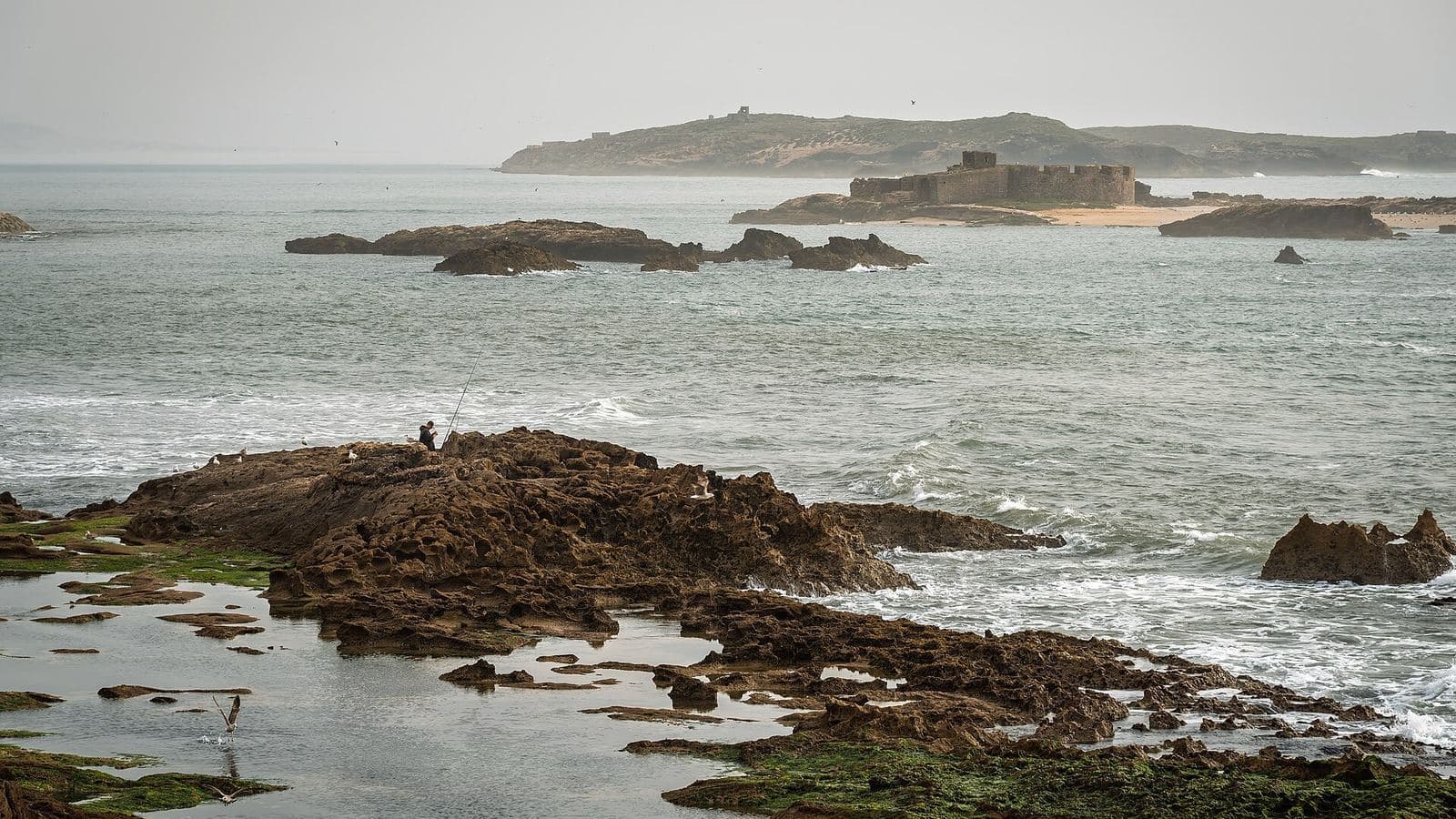
About halfway between Essaouira and Agadir, the fishing village of Imsouane sits in a sheltered bay with one of the longest rides in Morocco. The Bay peels gently along the cliff for hundreds of metres on a good swell — perfect for longboarders and improving surfers who want to practise turns without a crowd dropping in every few seconds. On the other side of the village, Cathedral Point is faster and more powerful.
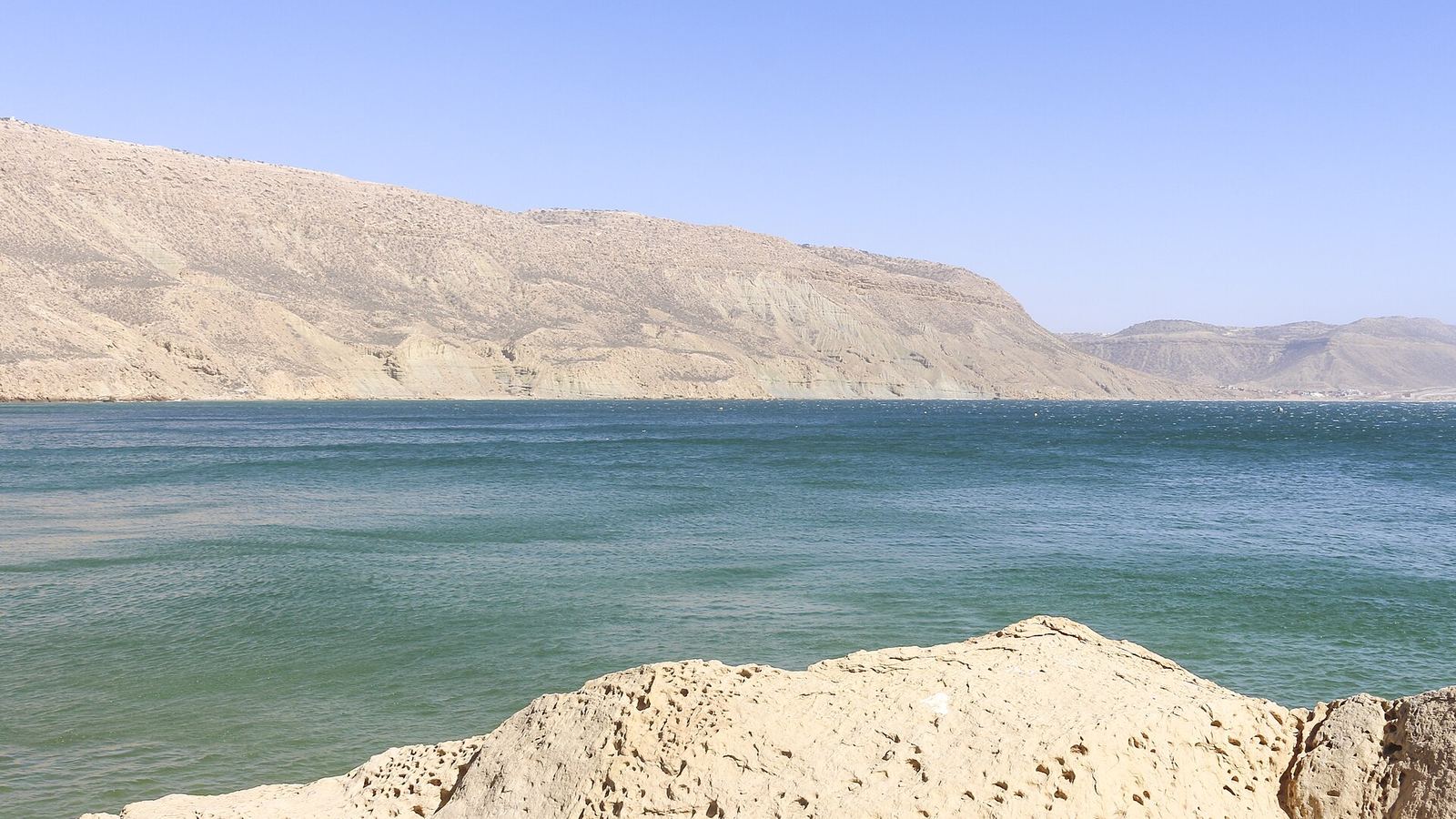
Imsouane is small and quiet: a few guesthouses, cafés serving the morning catch, and sunsets over the bay. Bring cash, as ATMs are limited.
Getting there: from Essaouira, our Essaouira to Imsouane transfer takes about 1 h 30, with boards included, from €90 per vehicle at the time of writing.
Sidi Kaouki and Essaouira: wind, waves and space
South of Essaouira, Sidi Kaouki is a long, wild beach break with consistent waves and very few people. It is often windy, which makes it a favourite of kitesurfers and windsurfers as well. Essaouira's own town beach is better known for wind sports than for surfing, and it is a great place to take kitesurfing lessons. You can visit Sidi Kaouki on our full-day Essaouira excursion or book a transfer and stay a few nights in the village.
Oualidia: a lagoon for beginners and families
Further north, Oualidia has a calm lagoon protected from the open ocean and a gentle beach break at its mouth. It is a lovely place for complete beginners and children, and it is famous for its oysters. Our Essaouira to Oualidia transfer takes about two hours.
Travelling with boards: practical tips
- Tell us how many boards and how long they are when you book. Short and mid-length boards fit easily; longboards and multiple board bags need a van, so we plan the vehicle accordingly.
- Airlines charge for sports equipment. Check your airline's fee before you pack a quiver of four.
- Wax, fins and leashes are easy to find in Taghazout's surf shops, less so in Imsouane.
- Respect the line-up. Anchor Point and Imsouane's Bay are shared with local surfers who grew up on these waves. Wait your turn, don't drop in, and you will be welcomed.
Putting a surf trip together
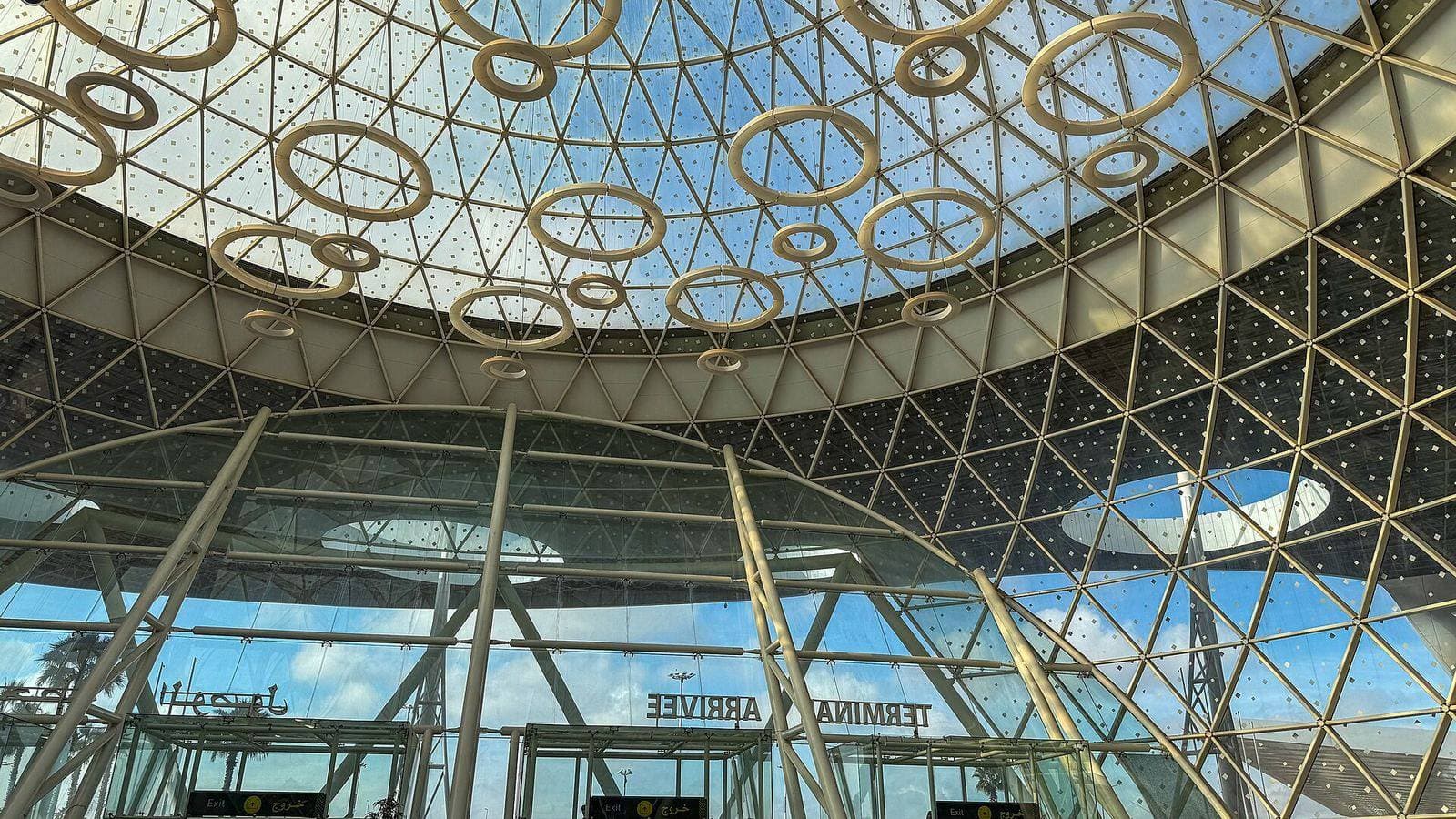
A classic route for a two-week trip: land in Marrakech, spend a night or two in the medina, drive to Essaouira for wind and sunsets, continue down the coast to Imsouane, and finish in Taghazout before flying home from Agadir or Marrakech. We drive every leg of that route, including the Essaouira to Agadir coast road. If you are starting from Marrakech, our airport arrival guide explains how to get out of the airport smoothly with all your gear.
Send us your dates, the number of surfers and boards, and where you want to go. We will suggest the most sensible order for the coast — and make sure there is room in the van.