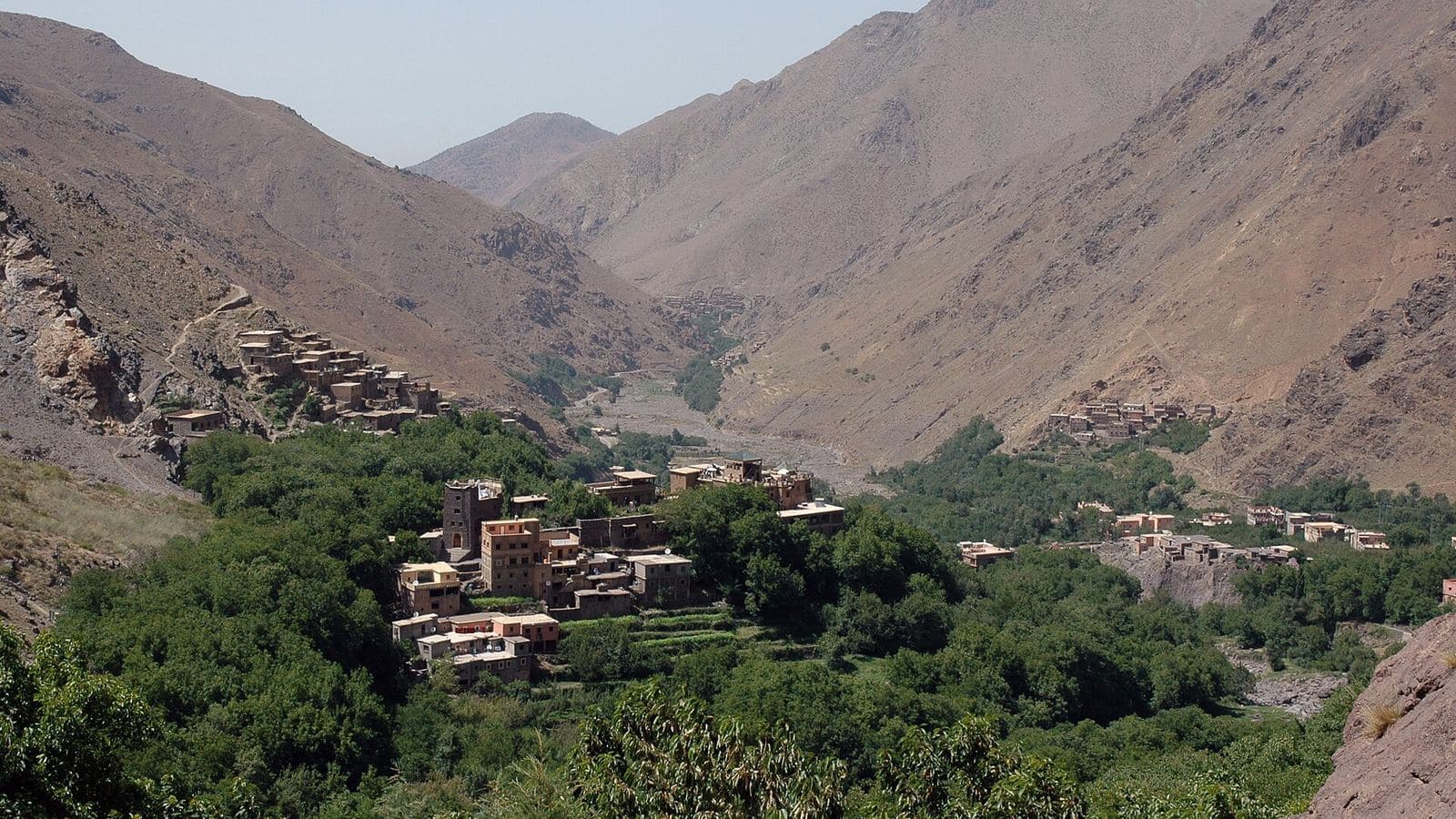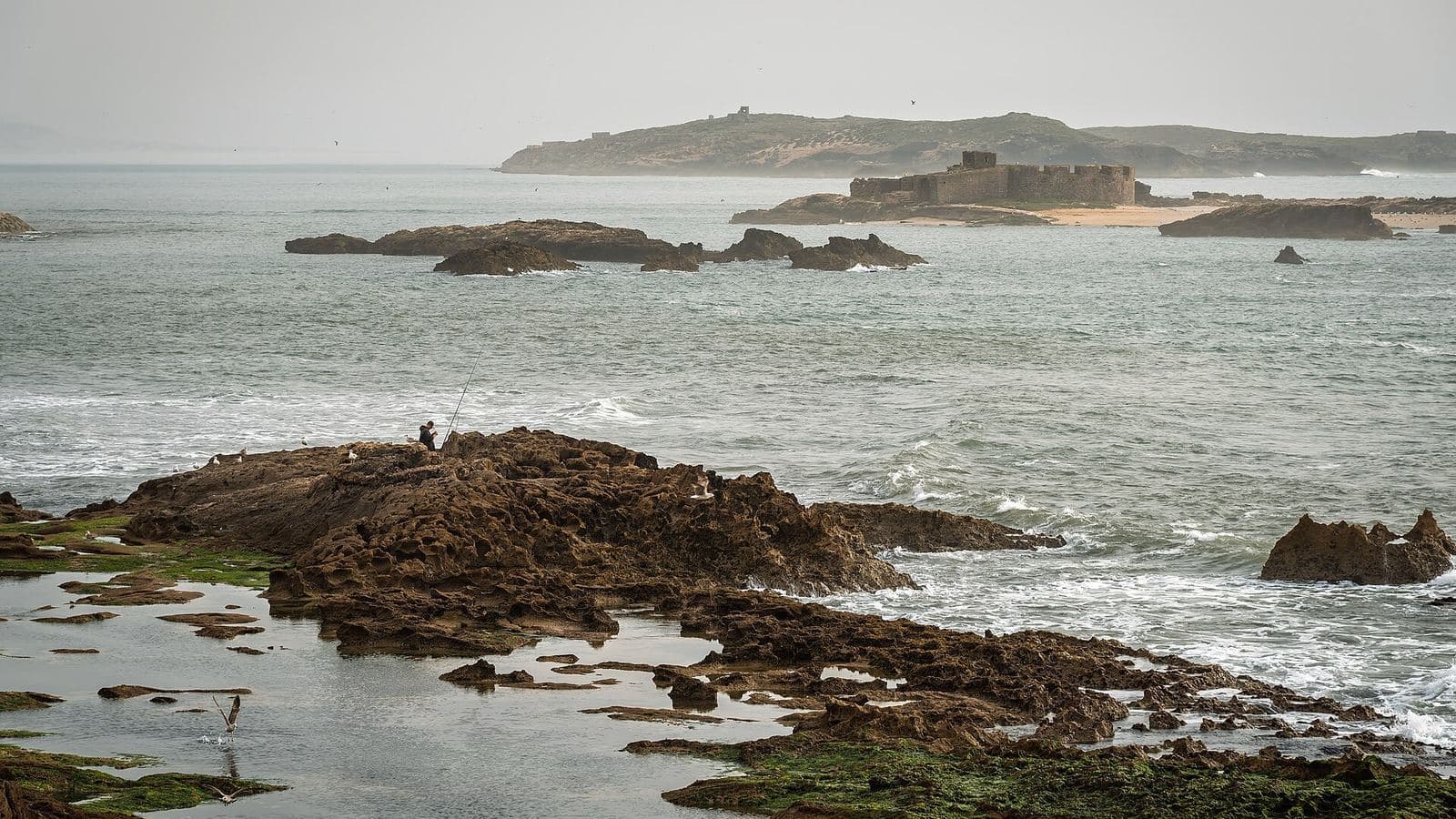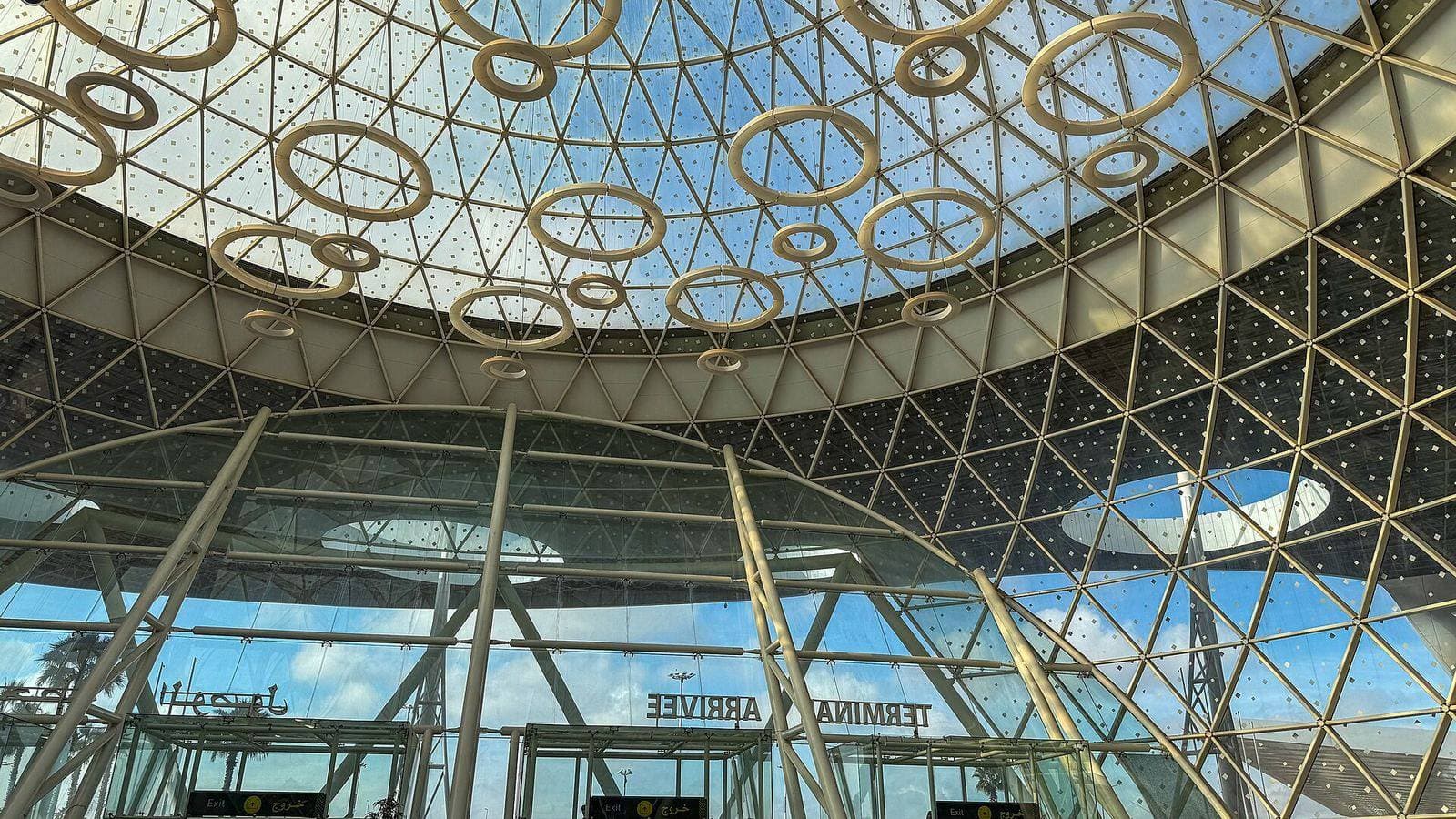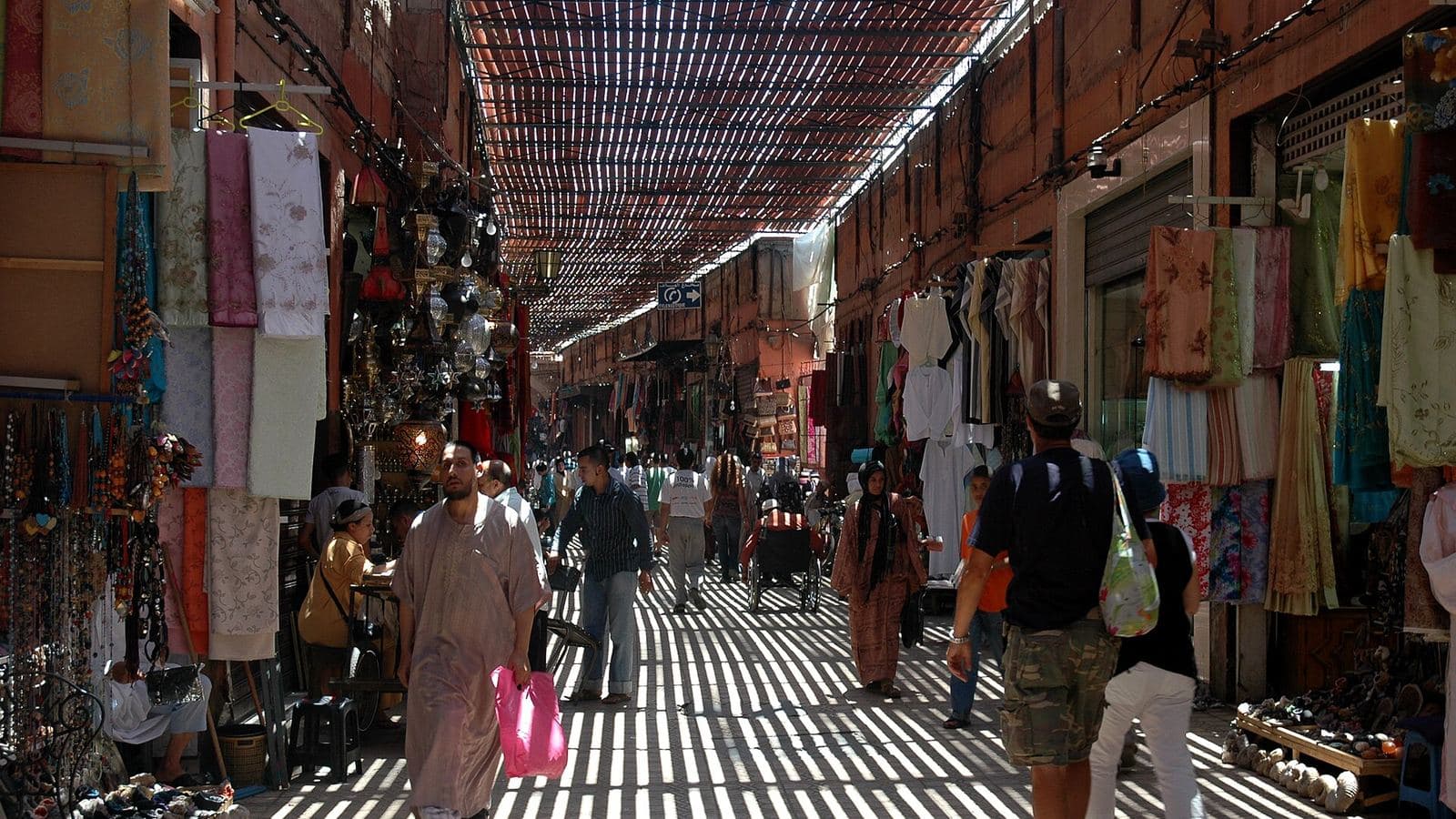
The first twenty minutes in the car from the airport are when our passengers ask for real Morocco travel tips — the ones that don't appear in glossy guidebooks. Can I pay by card? How much should I tip you? Is it OK to wear shorts? Can I drink the tap water?
This article collects those answers. These Morocco travel tips are written for first-time visitors from Europe, the UK, the United States and Canada, and they are deliberately practical.
Before you go
Visas and passports
Citizens of the EU, the UK, the United States, Canada, Switzerland and many other countries do not need a visa for tourist stays of up to 90 days. Your passport must be valid for your whole stay; having at least six months left is the safe choice, as some airlines check. Rules can change, so confirm with your government's official travel advice before booking.
Getting there
From Europe, direct flights reach Marrakech from most major cities, and budget airlines also serve Agadir and, seasonally, Essaouira. From North America, Royal Air Maroc flies nonstop to Casablanca from several cities, including New York and Montreal. Casablanca airport is about three hours from Marrakech by road; our Casablanca airport – Marrakech transfer is the easiest way to cover that final leg after a long-haul flight.
Leave the drone at home
Tourists cannot bring drones into Morocco without special authorisation, and they are routinely held at customs. Save yourself the paperwork.
Money: cash, cards and ATMs
The Moroccan dirham (MAD) is a closed currency, so you cannot buy it before you travel. ATMs are everywhere in cities and at airports, and exchange offices give fair rates. Cards are accepted in most hotels, riads, larger restaurants and modern shops, but cash rules in the souks, in small cafés, in taxis and for tips. Euros are sometimes accepted, usually at a poor rate.
A good rhythm: withdraw a reasonable amount at the airport, then top up from ATMs in town. Tell your bank you are travelling.
Staying connected
Buy a local SIM card or an eSIM when you land. The Moroccan operators have desks at the major airports and data is cheap. You will use it constantly — for maps in the medina, WhatsApp with your riad and your driver, and translation apps.
What to wear
Morocco is relaxed about clothing in tourist areas, but dressing a little more modestly makes you more comfortable and is appreciated. In the medinas and in rural villages, covering shoulders and knees is a good rule for everyone, especially women. Light, loose linen and cotton are perfect. Swimwear is fine at the beach and the pool, not in town. Bring a warm layer: desert and mountain nights are cold, and Essaouira's wind is cool even in summer.
Tipping
Tipping is customary and appreciated, though never compulsory:
- Restaurants: around 10% if service is not included, or round up in cafés.
- Porters: a small amount per bag, such as 10–20 dirhams.
- Guides: agree the fee first; add a tip if you were happy.
- Drivers and hammam staff: a tip for good service is welcome.
Keep a stash of small coins and 20-dirham notes; breaking a 200-dirham note in a medina café can be a challenge.
Etiquette and culture
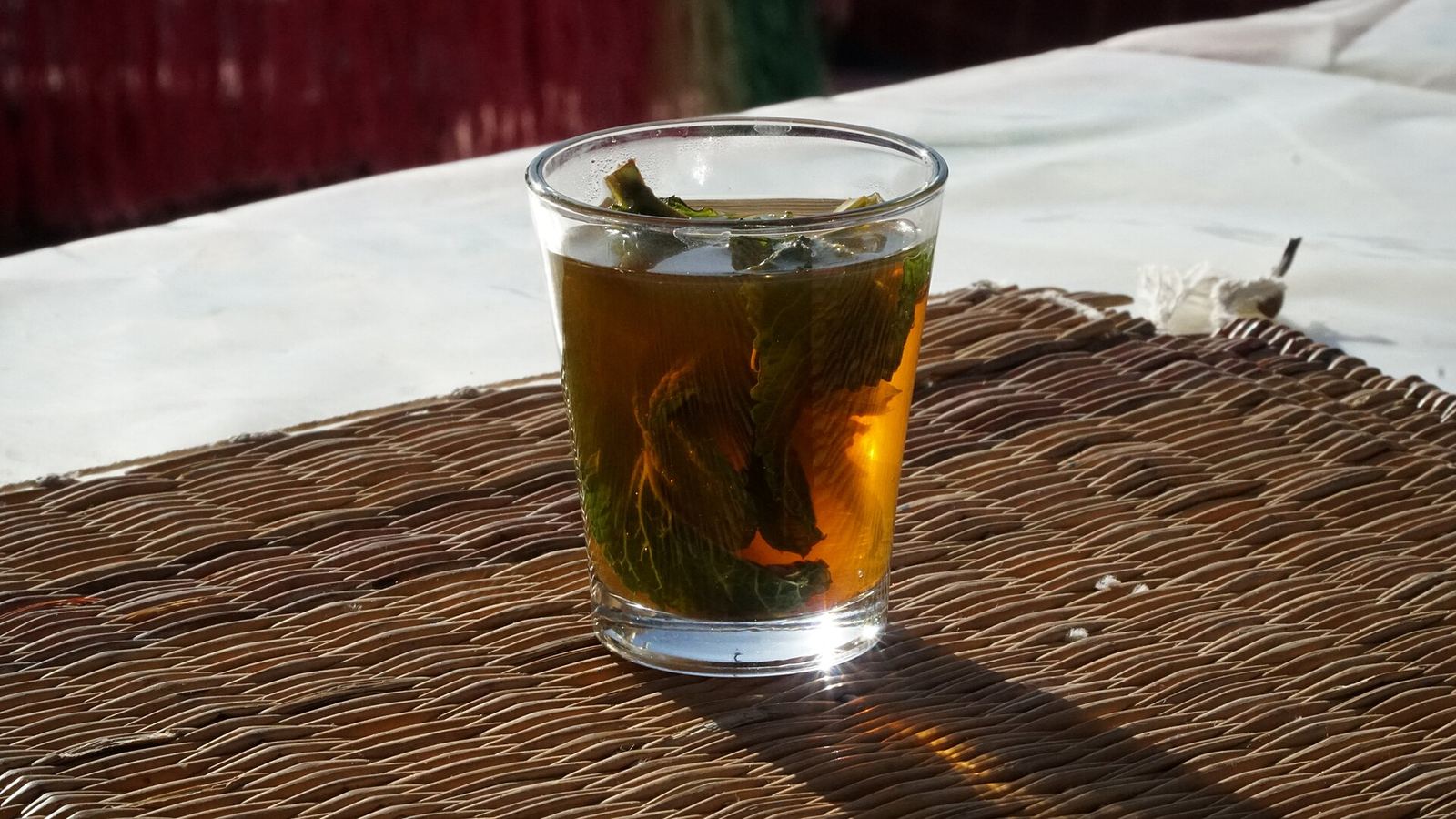
- Mint tea is hospitality. If a shopkeeper offers you tea, accepting doesn't oblige you to buy.
- Ask before photographing people, and respect a no. Some performers in the squares expect payment for photos.
- Non-Muslims cannot enter most active mosques, with notable exceptions such as the Hassan II Mosque in Casablanca.
- During Ramadan, whose dates move each year, many cafés close during the day in smaller towns. Tourists are not expected to fast, but eating and drinking discreetly in public is courteous. Morocco also changes its clock during Ramadan, so double-check flight and pickup times.
- Alcohol is served in licensed hotels, restaurants and bars, and sold in some supermarkets, but not in traditional cafés.
Health and safety
- Drink bottled or filtered water. Tap water is treated in cities, but it is different from what your stomach is used to.
- Morocco is generally safe for visitors. The main annoyances are hustlers, unofficial guides and the occasional pickpocket in crowded places. Keep valuables zipped away, agree prices before any service, and check your government's latest travel advice.
- Women travelling alone may receive unwanted comments in busy medinas; confident walking, modest clothing and ignoring remarks usually work well.
When to go
- Spring (March–May) and autumn (September–November) are ideal almost everywhere.
- Summer is very hot inland — Marrakech regularly passes 40°C — while the coast around Essaouira stays mild.
- Winter brings cool nights, snow on the Atlas and sunny days; it is also the best surf season.
Getting around
Trains link Marrakech, Casablanca, Rabat, Fès and Tangier, and a high-speed line runs between Casablanca and Tangier. Coaches cover most other routes. But some of the most popular destinations — Essaouira, Agadir, the Atlas valleys and the surf coast — have no railway at all, which is where a private driver makes the biggest difference. We run fixed-price transfers between Marrakech and Essaouira, Marrakech and Agadir, all the main airports and more; see every route on our pricing page.
Morocco travel tips: the quick checklist
- Passport valid for your whole stay (ideally six months)
- Travel insurance
- Offline maps and your accommodation's phone number
- Some euros to exchange, a debit card for ATMs
- A universal plug adapter (Morocco uses type C and E sockets, 220 V) — essential for travellers from the US, Canada and the UK
- Light, modest clothing plus a warm layer
For your first hours on the ground, read our Marrakech airport arrival guide, then take a look at our 3-day Marrakech itinerary. And if you have a question we haven't answered, ask us — we answer the same questions every day, happily.