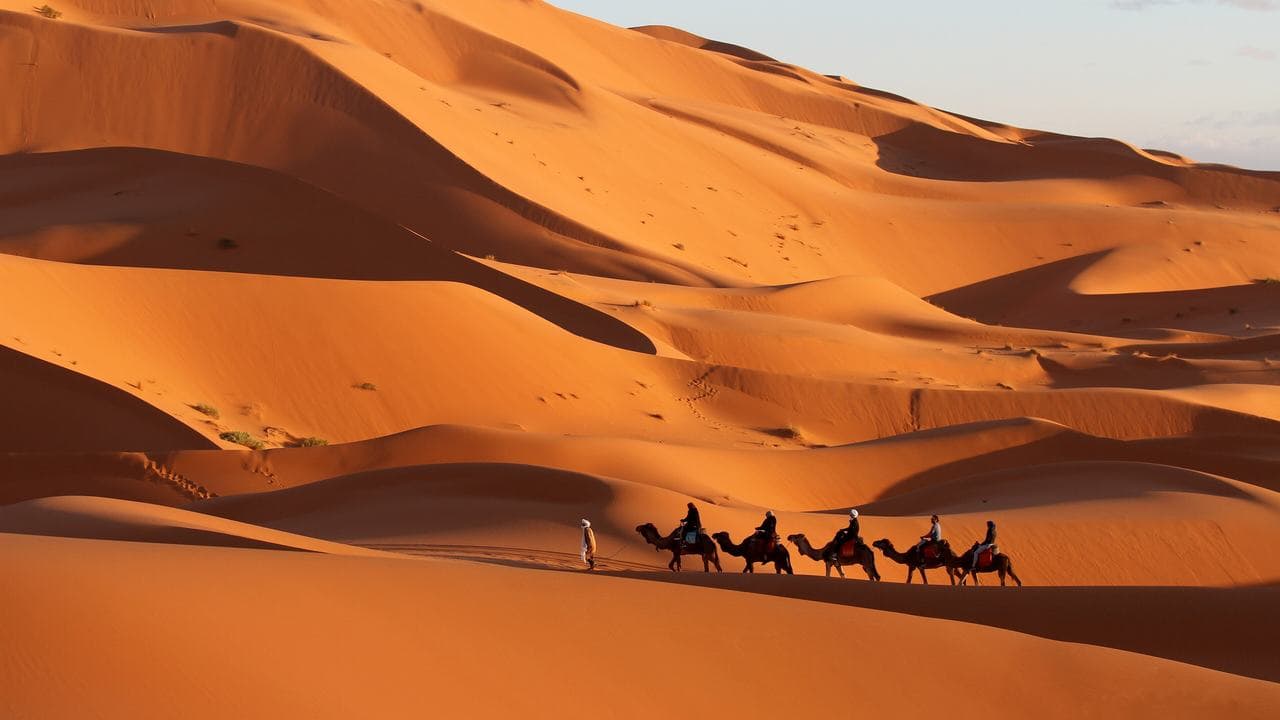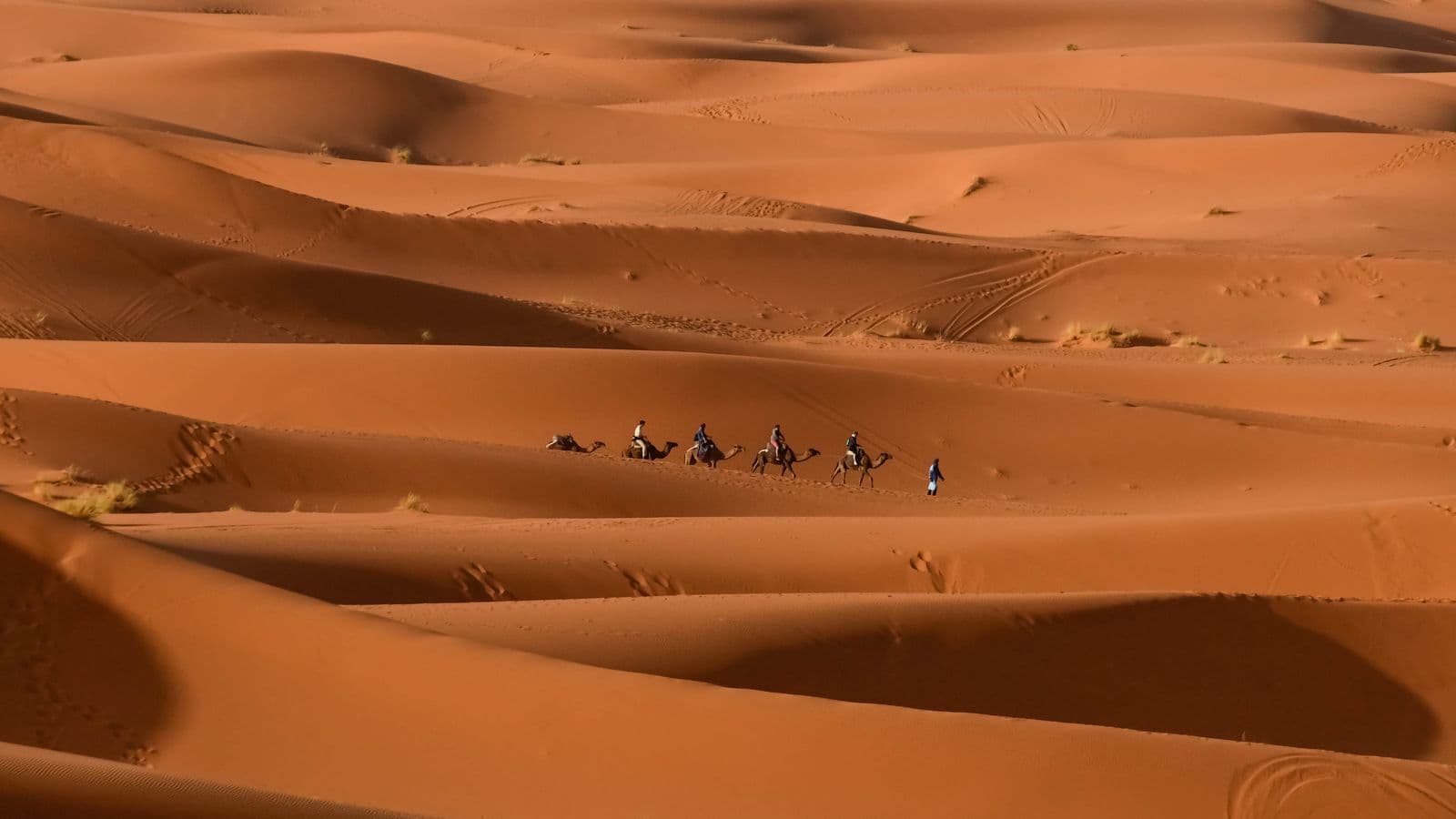
If you have three days and want to sleep in the desert, a Zagora desert tour is the most realistic option from Marrakech. It crosses the High Atlas, visits two of the most famous kasbahs in Morocco, follows the long palm groves of the Draa valley and ends with a camel ride and a night in a camp among the dunes south of Zagora. The dunes are smaller than at Merzouga, but the journey is rich, varied and far less tiring.
Here is the full programme of our 3-day Zagora & Draa valley private tour, with honest notes on timing.
Day 1: Marrakech, Telouet, Aït Ben Haddou and Ouarzazate
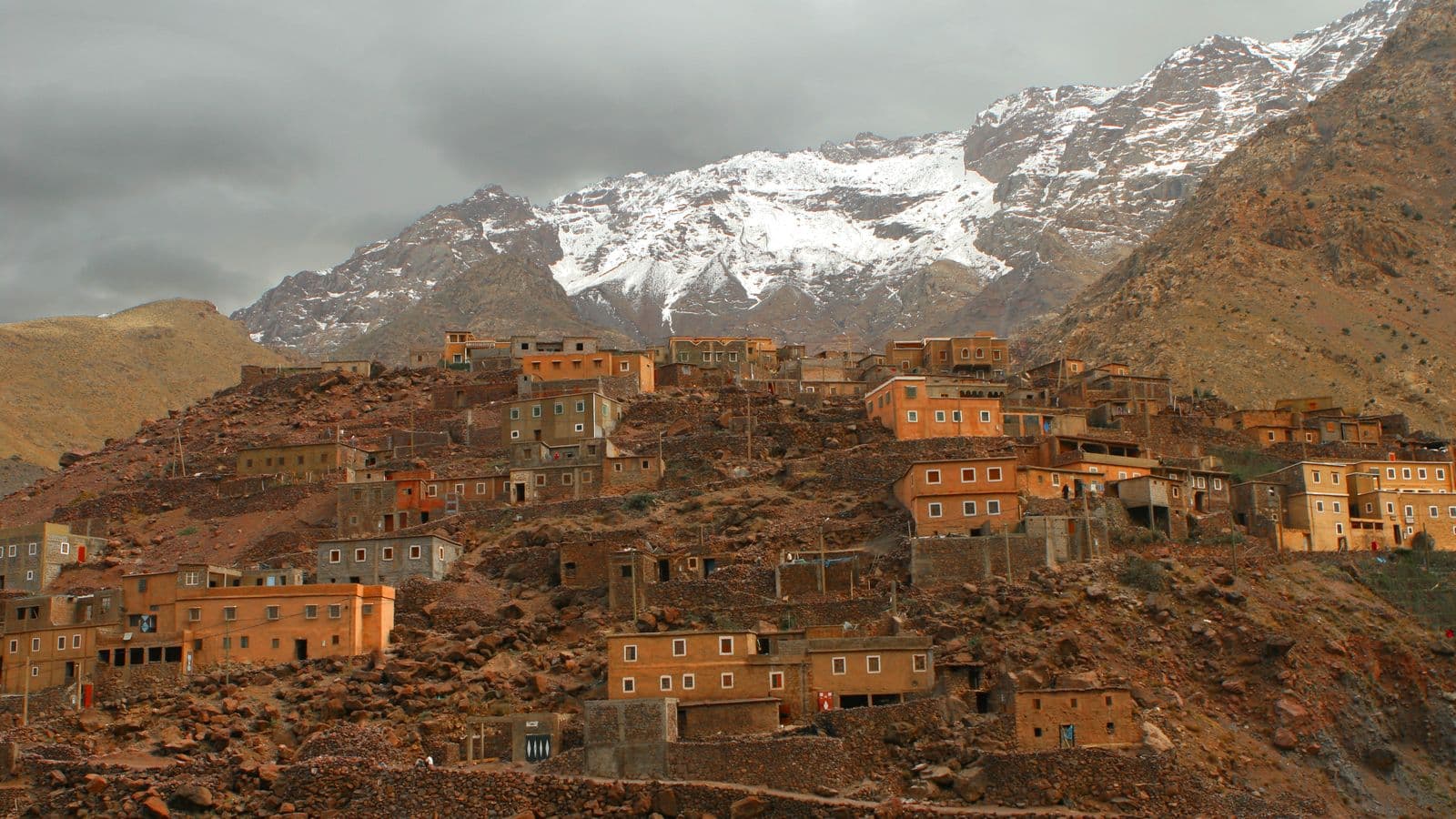
You leave Marrakech in the morning and climb the Tizi n'Tichka pass, at 2,260 metres the highest major road pass in Morocco, with viewpoints over terraced valleys and Berber villages clinging to the slopes. Just after the pass, a side road leads to Telouet, the former stronghold of the Glaoui family. Its crumbling exterior hides rooms of carved cedar and painted tiles that are among the finest in the country — our Telouet kasbah guide explains its history.
The afternoon is dedicated to Aït Ben Haddou, the fortified village listed by UNESCO and used as a backdrop by countless films. Walking up through its lanes to the old granary at the top gives a superb view of the Ounila river and the surrounding desert. Read our Aït Ben Haddou guide for the best time for photos. Before the evening you reach Ouarzazate, where you can visit one of the film studios if time allows.
Day 2: Agdz, the Draa valley and the Zagora dunes
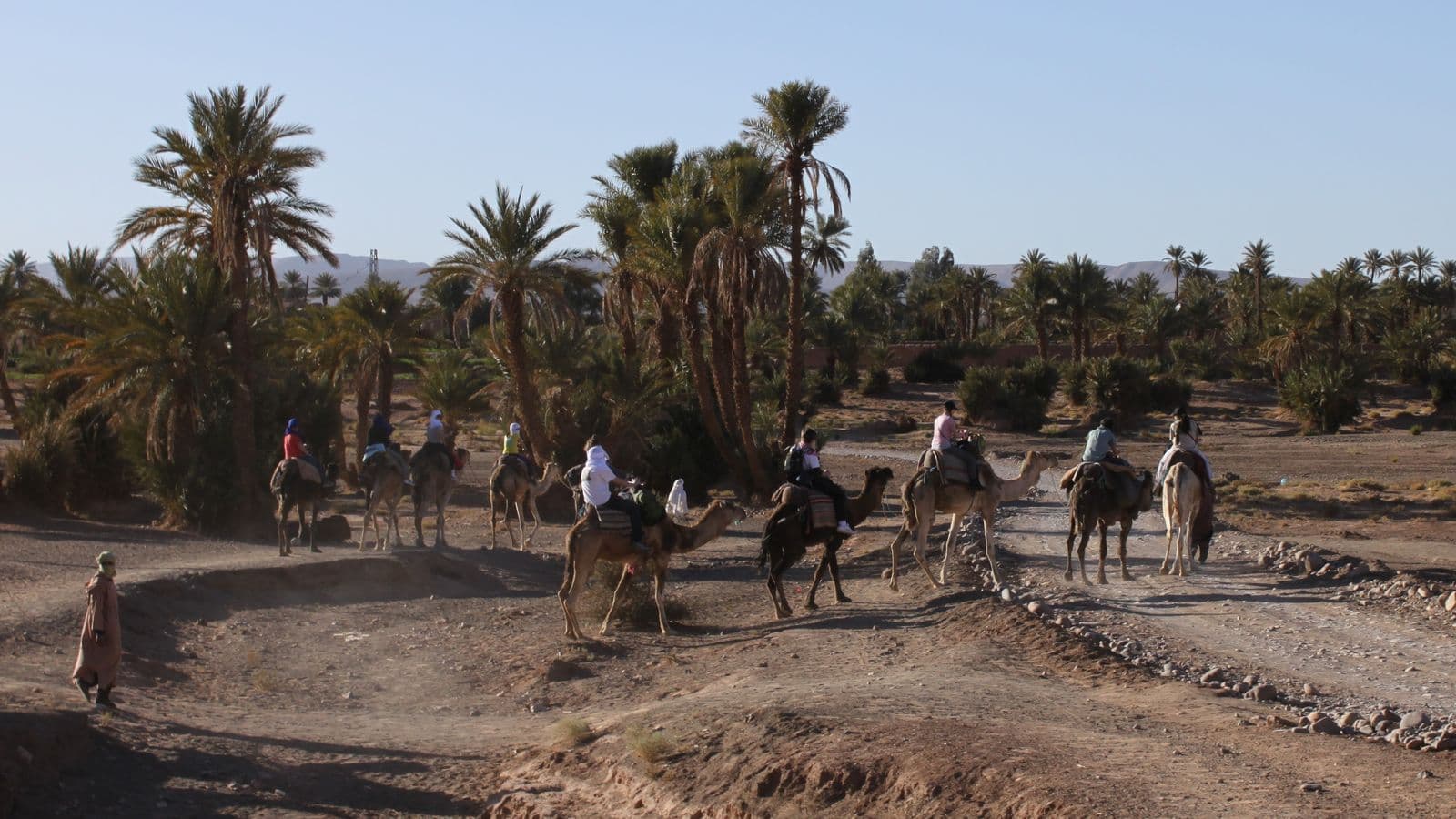
The road south of Ouarzazate climbs over the Anti-Atlas by the Tizi n'Tinififft pass, then drops into the Draa valley at Agdz, below the striking ridges of Jebel Kissane. From here the river is lined by an almost continuous ribbon of date palms, earth-built ksour and kasbahs for more than a hundred kilometres. Stops in a palm grove, a visit to an old kasbah and a mint tea with a local family make this one of the most photogenic drives in Morocco. Our Draa valley guide describes the villages worth a stop.
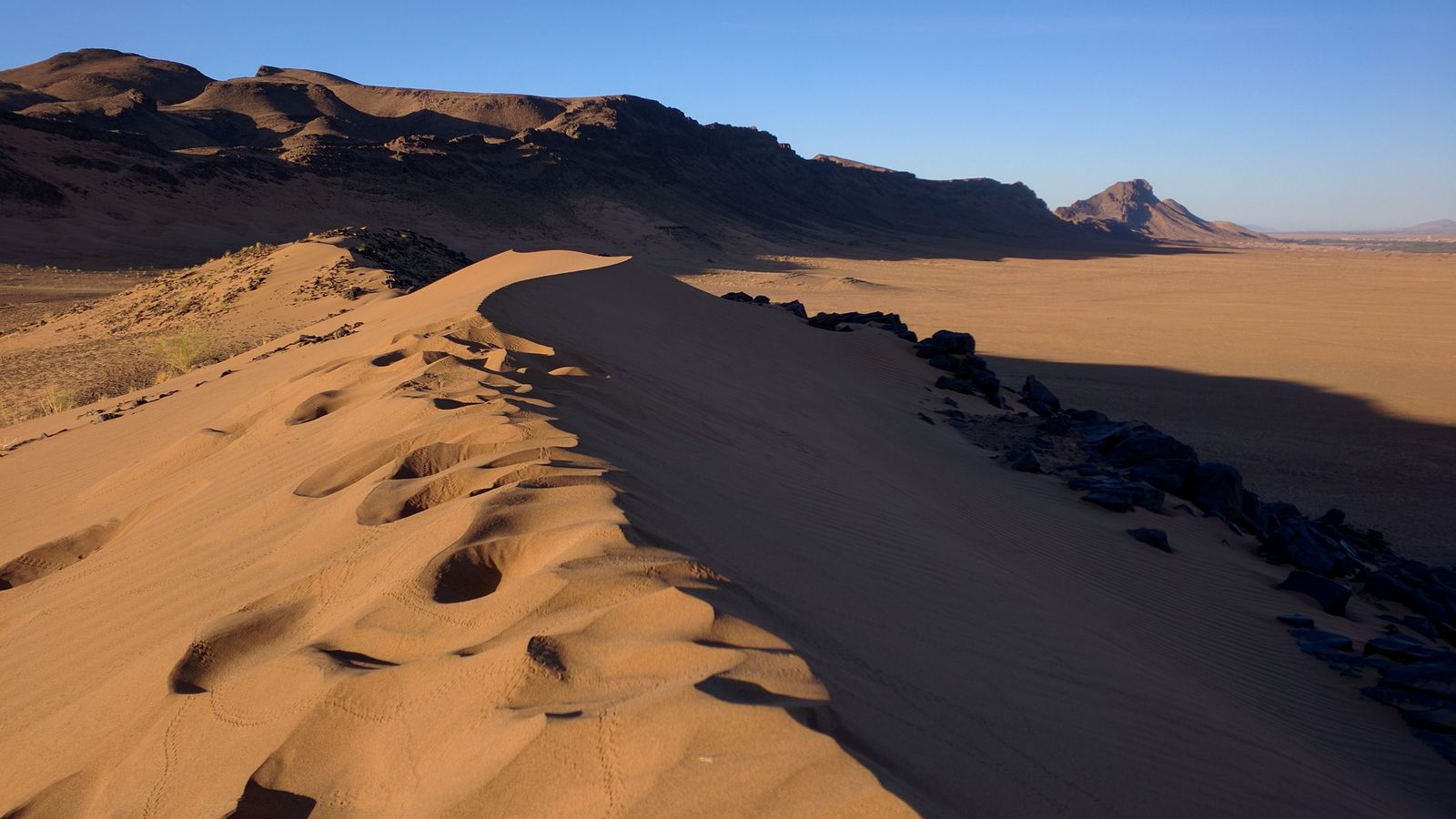
In Zagora, you will see the famous painted sign announcing "Tombouctou 52 jours" — the time it once took caravans to cross the Sahara to Timbuktu. In the late afternoon you continue to the dunes, where camels wait to take you to your camp. Sunset, dinner by the fire, music and a sky full of stars complete the day. Our desert camp guide explains the difference between standard and luxury camps.
Day 3: back to Marrakech
After sunrise and breakfast, you drive back north through the Draa valley and over the Atlas. It is the longest day of the circuit — around seven hours of driving plus stops — so we start early and break the journey with lunch in Ouarzazate and photo stops on the Tichka. You reach Marrakech in the evening.
Zagora desert tour or Merzouga: which to choose?
This is the question we hear most often, so here is a straight answer:
| Zagora (3 days) | Merzouga (4 days) | |
|---|---|---|
| Dunes | Small, scattered | High and golden (Erg Chebbi) |
| Driving per day | Moderate, long last day | Moderate, long first and last days |
| Highlights on the way | Telouet, Draa valley | Dades and Todra gorges |
| Nights in the desert | 1 | 2 |
If you have only three days, a Zagora desert tour is the sensible choice. If you can add one more day and the dunes are your dream, the 4-day Merzouga tour is worth it. Our general desert trip from Marrakech guide compares Agafay, Zagora and Merzouga in more detail.
Beyond the dunes: Tamegroute and Amezrou
If you want more culture on day two, ask your driver to include two short visits around Zagora. Tamegroute, about 20 km to the south, is known for its old Koranic library, which holds manuscripts several centuries old, and for its workshops of green-glazed pottery fired in traditional kilns dug into the ground. Closer to town, the village of Amezrou has a long tradition of silverwork and a maze of covered lanes inside its kasbah, where a local guide can show you how families kept their homes cool in summer. Both visits fit easily into the afternoon before the camel ride, and they give the day a rhythm that alternates driving, walking and meeting people — exactly what makes a private tour feel different from a coach excursion.
Practical tips
- Best season: October to April. In summer, the Draa valley is very hot in the afternoon.
- Clothing: light, covering layers for the day and a warm jacket for the desert night, even in spring.
- Camel ride: about an hour; wear long trousers and keep your bag light. See our camel ride guide.
- Cash: useful for tips, drinks and small purchases in villages.
- Motion sickness: the Tichka and Tinififft roads are winding; sit in front if you are sensitive.
Adapt the tour to your trip
The tour is private and fully adaptable: you can add a night in Aït Ben Haddou to slow down, swap the camel ride for a 4x4 excursion, or extend it into a 5-day Grand South loop through Merzouga. Our circuits are organised by Rouasse Travels with licensed transport partners, accommodation selected to match your budget and assistance throughout the trip.
Ready to plan your Zagora desert tour? Send us your dates on WhatsApp for a personalised quote, or browse all our multi-day tours from Marrakech first.